


This article was automatically translated from the original Turkish version.
+1 More
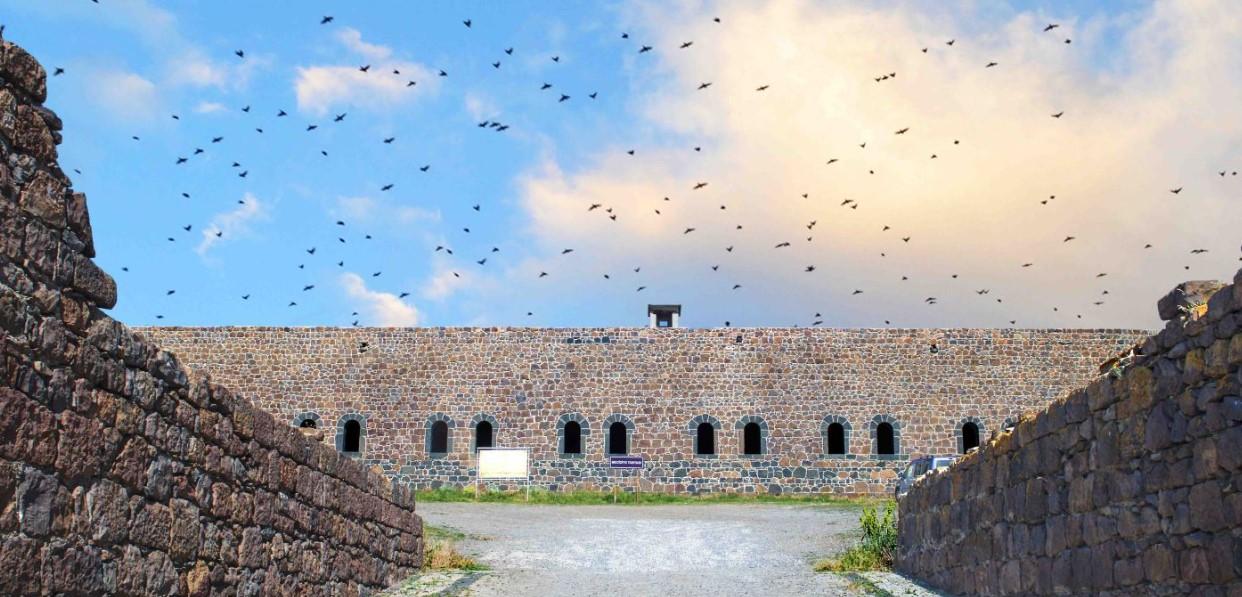
Aziziye batteries
Location | Erzurum Türkiye | ||||||||
|---|---|---|---|---|---|---|---|---|---|
Foundation Date | 1872 | ||||||||
Significance | Center of Resistance in the 93 War | ||||||||
Current Status | Museum and Historical Area | ||||||||
East of Erzurum, the Aziziye Tabyaları are among the most significant defensive structures built by the Ottoman Empire in the second half of the 19th century. Constructed to ensure the security of the city and its surroundings, these fortifications entered history through their determined resistance during the 1877–1878 Russo-Turkish War (93 Harbi). Today, the Aziziye Tabyaları are visited both as a historical heritage site and an open-air museum.

Aziziye Tabyası - Erzurum Governorship
In the 19th century, the Ottoman Empire felt the need to strengthen its borders in response to the Russian Empire’s southward expansion policy. To this end, a series of fortifications were planned around Erzurum. The Aziziye Tabyaları formed a key part of this defensive line. Construction began in 1872 and was completed within a few years. Named after Sultan Abdülaziz, the fortifications were strategically positioned to protect Erzurum from potential attacks coming from the east.
The Aziziye Tabyaları were constructed using durable local materials in accordance with the military architecture of the period. They feature positions designed for artillery batteries, barracks for troops, and ammunition depots. Their planning took into account the terrain conditions, ensuring they were built on strategic vantage points. The fortifications, generally positioned in mutual support, were designed to provide coordinated defensive coverage.

Aerial view of the structure - Erzurum Governorate
The use of locally sourced stone in construction allowed the structures to blend harmoniously with the natural environment. Additionally, some of the fortifications include supplementary structures such as food and water storage facilities, designed to prepare for prolonged sieges. These storage areas were critically important for sustaining the defense.
The most renowned aspect of the Aziziye Tabyaları is their heroic resistance during the 93 Harbi. In 1877, as the Russian army advanced toward Erzurum, the fortifications became the focal point of Ottoman defense. The battles fought especially on the night of 8–9 December 1877 vividly demonstrated the sacrifice and determination of the garrison and local defenders. Facing an unexpected Russian assault, the soldiers stationed at the fortifications and civilians of Erzurum displayed extraordinary courage with the limited resources at their disposal.
The bravery of Nene Hatun emerged prominently during this defense and played a vital role in the fortifications’ resistance. The participation of women and children in this defense is remembered not only as a military achievement but also as a powerful example of communal solidarity. This struggle at the Aziziye Tabyaları boosted the morale of the Ottoman army and halted the Russian advance for a critical period.

Nene Hatun Monument - Erzurum Governorship
Today, the Aziziye Tabyaları are among Erzurum’s most important historical sites. Restored and opened to the public, the fortifications attract attention through their structure, which reflects the resistance of the 93 Harbi and the military architecture of the era. Within the fortifications, a museum displays various artifacts and documents from the period. Additionally, the Nene Hatun Monument is located on the site of the fortifications.
During the restoration, care was taken to preserve the original architectural fabric, enhancing visitors’ ability to experience the historical atmosphere. As an open-air museum, the site features exhibition areas, informational panels, and designated learning zones. These arrangements enrich the visitor experience and deepen understanding of the fortifications’ historical significance.
The Aziziye Tabyaları were constructed as part of the Ottoman Empire’s strategy to strengthen its eastern borders.
The primary purpose of their construction was to halt the southward advance of the Russian Empire and to protect the city of Erzurum from potential attacks originating from the east. Built with strategic considerations in mind, the fortifications played a critical role in the region’s defense.
The Aziziye Tabyaları are situated on a strategic hill east of the Erzurum city center. This commanding position provided the fortifications with a broad field of vision and facilitated control over the surrounding terrain. This strategic placement significantly enhanced their defensive strength.
Erzurum Valiliği. "1. Aziziye Tabyası." Accessed April 17, 2025. http://www.erzurum.gov.tr/1-aziziye-tabyasi.
Erzurum Valiliği. "2. Aziziye Tabyası." Accessed April 17, 2025. http://www.erzurum.gov.tr/2-aziziye-tabyasi.
Erzurum Valiliği. "3. Aziziye Tabyası." Accessed April 17, 2025. http://www.erzurum.gov.tr/3-aziziye-tabyasi.
Erzurum Valiliği. "Tabyalar." Accessed April 17, 2025. http://www.erzurum.gov.tr/tabyalar.
Ministry of Culture and Tourism. "Erzurum Tabyaları." *Culture Portal*. Accessed April 17, 2025. https://www.kulturportali.gov.tr/turkiye/erzurum/gezilecekyer/erzurum-tabyalar.
T.C.Erzurum Valiliği, Directorate of Culture and Tourism. "Tabyalar." Accessed April 17, 2025. https://erzurum.ktb.gov.tr/TR-182181/tabyalar.html.
Yakutiye Belediyesi. "Aziziye Tabyası." Accessed April 17, 2025. http://www.yakutiye.gov.tr/aziziye-tabyasi.

Aziziye batteries
Location | Erzurum Türkiye | ||||||||
|---|---|---|---|---|---|---|---|---|---|
Foundation Date | 1872 | ||||||||
Significance | Center of Resistance in the 93 War | ||||||||
Current Status | Museum and Historical Area | ||||||||
No Discussion Added Yet
Start discussion for "Erzurum Aziziye Tabyaları" article
History
Architectural Features
Role in the 93 Harbi
Current Condition
Strategic Location