


This article was automatically translated from the original Turkish version.
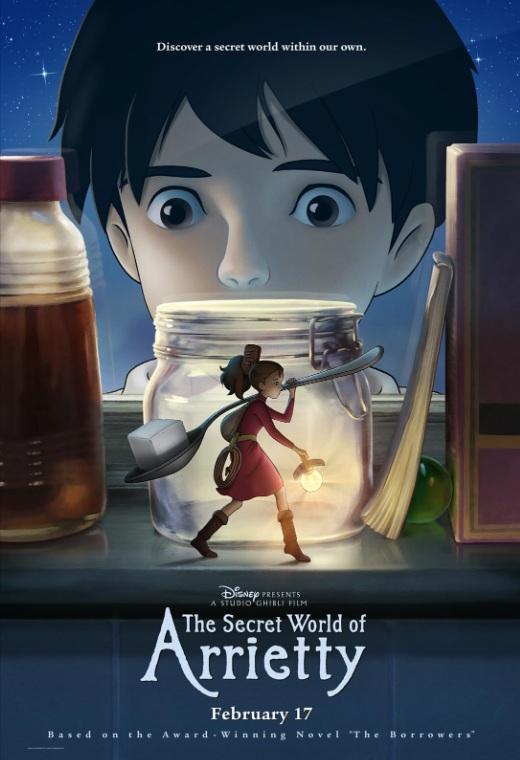
The Secret World of Arrietty (original title: Karigurashi no Arietti) is a 2010 Japanese animated film produced by Studio Ghibli and directed by Hiromasa Yonebayashi. The film is adapted from Mary Norton’s children’s book The Borrowers. It centers on Arrietty, a 14-year-old miniature girl, and her family as they strive to live hidden within a human home without being discovered. With a runtime of 1 hour and 34 minutes, it is presented as a feature-length animated film produced in Japan.
The film focuses on the life of the Clock family, a group of miniature people living secretly in a region west of Tokyo. Arrietty, the family’s young daughter, ventures outside for the first time and is spotted by Sho, a human boy, while on a borrowing mission. This encounter threatens the family’s hidden existence. The bond formed between Arrietty and Sho alters the way both humans and miniature beings perceive each other. After their presence is revealed, the family is forced to leave their home. The film explores Arrietty’s coming-of-age journey, themes of secrecy, friendship across differences, and the struggle for survival.
The film addresses themes of the fragility of existence, the challenges of coexisting with differences, the process of individual identity formation, belonging, and separation. The effort of a miniature community to survive in a vast human world is depicted through detailed and realistic environmental storytelling. Concepts of death, life, and hope are conveyed through the characters to the audience.
The Secret World of Arrietty Trailer (Crunchyroll Store Australia)
The following are the main characters in The Secret World of Arrietty (2010) and the voice actors who portrayed them. The film features both the original Japanese-language dub and English-language versions, with separate adaptations prepared for the United States and the United Kingdom.
Arrietty: The 14-year-old daughter of the Clock family. She is curious, courageous, and deeply interested in the outside world. She is at the center of the film’s narrative.
Shō / Shawn: A human boy suffering from a heart condition. He is staying at his great-aunt’s house away from his family and awaiting an upcoming surgery. Through his encounter with Arrietty, he gains awareness of her world.

Arrietty and Shō from an Animated Scene (iMDb)
Pod (Poddo): Arrietty’s father. A seasoned figure who provides for the family’s basic needs through borrowing. He is cautious and protective in nature.
Homily (Homirī): Arrietty’s mother. She maintains order within the home and harbors intense anxiety about humans.
Sadako: Sho’s great-aunt. She is the owner of the house and a member of the family who once had knowledge of the Borrowers.
Haru: A servant in Sadako’s household. Her suspicious and watchful demeanor leads her to pursue the Borrowers.
Spiller (Supirā): A solitary Borrower who lives in the woods. Despite his quiet nature, he aids Pod and supports the family’s migration.
These characters represent the contrasting worlds and relationships that form the film’s central dramatic structure. The voice actors contribute to the narrative’s development by conveying the emotional and cultural depth of their characters through performance.
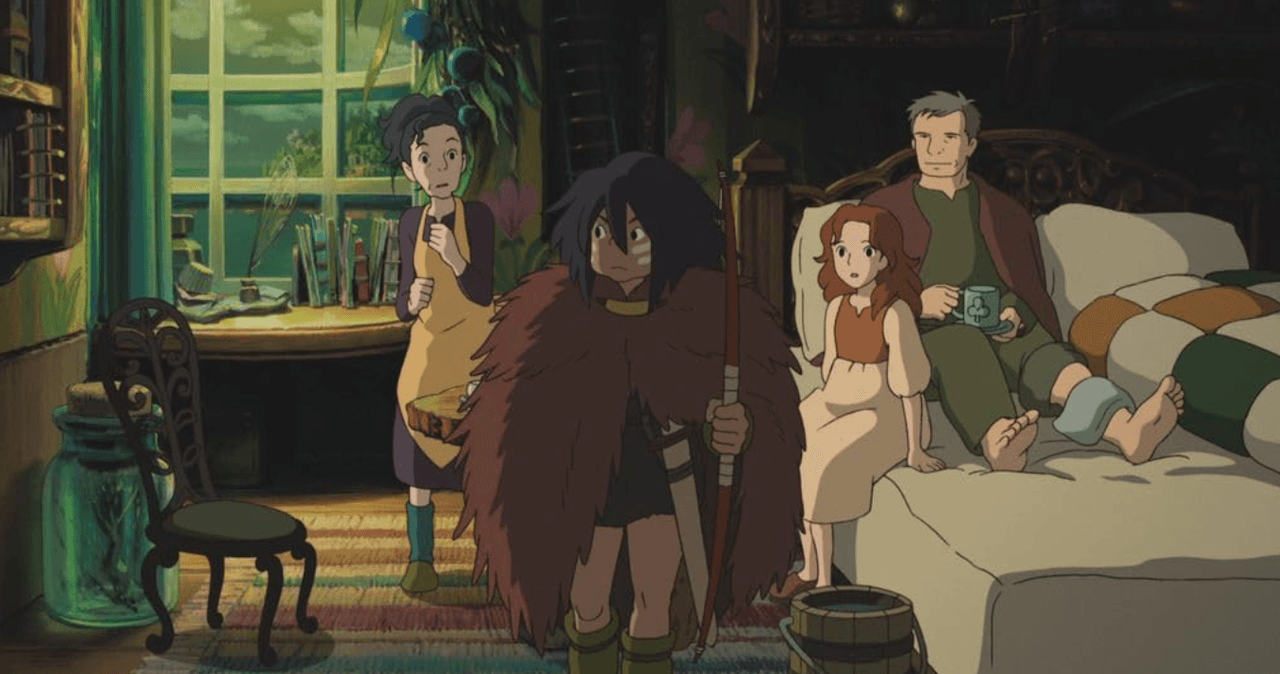
Scene from The Secret World of Arrietty (iMDb)
Directed by Hiromasa Yonebayashi, the film is a co-production of Studio Ghibli, Dentsu, and Hakuhodo DY Media Partners. The screenplay was adapted from Mary Norton’s book by Hayao Miyazaki and Keiko Niwa. The film’s music was composed by Cécile Corbel and Simon Caby. The original Japanese release occurred in 2010. It was released in Türkiye on 22 July 2011.
The production budget for The Secret World of Arrietty is estimated at approximately $23 million. The film earned $19.5 million in the United States and Canada and approximately $149.6 million worldwide.
The Secret World of Arrietty (2010) won a total of 12 awards and received 6 nominations. The film was recognized at various international festivals, particularly for its animation quality, visual design, and adaptation of the source material. Most awards were presented by Japanese organizations and international animation events. Nominations prominently included categories for original music and animation.

No Discussion Added Yet
Start discussion for "Exaggerators (Animation)" article
Plot
Themes
Characters and Voice Cast
Production Information
Box Office Performance
Awards and Nominations