

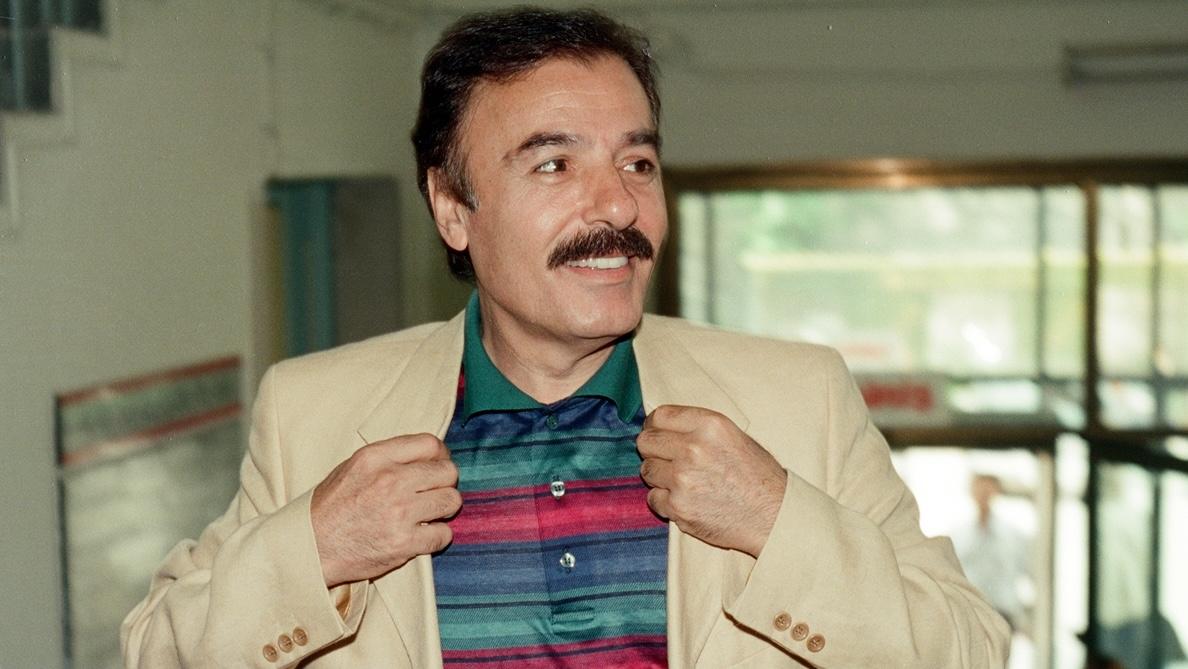

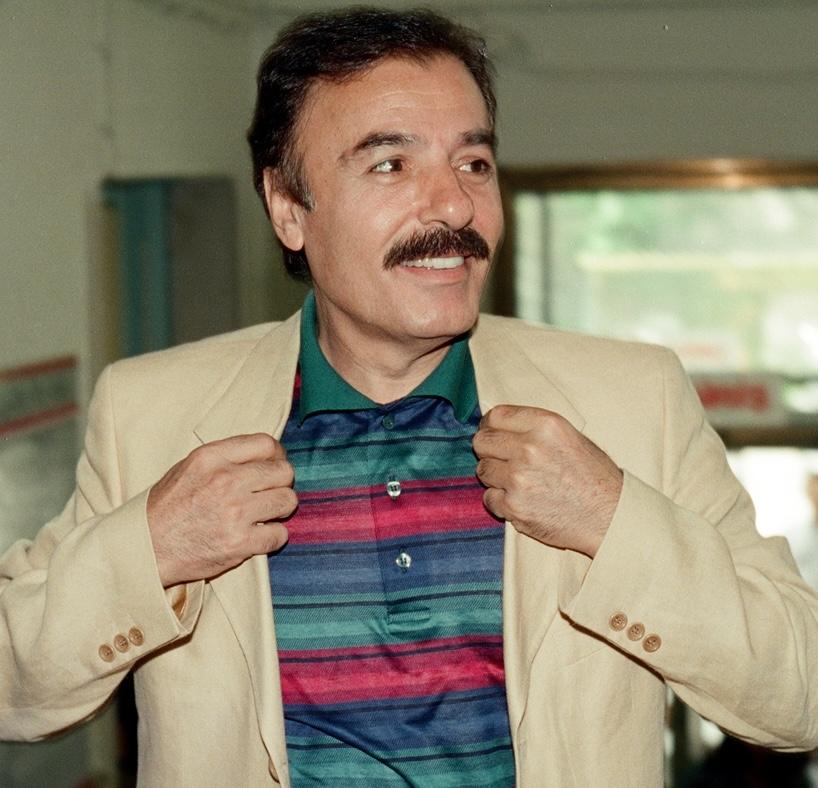
Ferdi Tayfur
Doğum Tarihi | 1945-11-15 | ||||||||
|---|---|---|---|---|---|---|---|---|---|
Ölüm Tarihi | 2025-01-02 | ||||||||
Baba | Cumali Turanbayburt | ||||||||
Place of Birth | Adana, Türkiye | ||||||||
Ferdi Tayfur Turanbayburt, born on 15 November 1945 in Adana, is recognized as one of the leading figures in Turkish arabesk music, as a singer, composer, film actor, author and director. He passed away on 2 January 2025 in Antalya. artist recorded more than 30 albums and appeared in an equal number of films, making significant contributions to the history of music and cinema in Türkiye.
A scene from Ferdi Tayfur’s concert in Edirne in 2004 – Anadolu Ajansı
Ferdi Tayfur was born in the Hürriyet Neighborhood of Adana. His father, Cumali Turanbayburt, named him Ferdi Tayfur due to his admiration for the artist Ferdi Tayfur. Although it is known that his father placed great importance on his son’s education, his death in 1951 caused Ferdi Tayfur’s schooling to be interrupted. After his father’s death, his mother remarried, and Ferdi began working as an apprentice in his stepfather’s confectionery shop. He was forced to leave school at a young age.
Spending his childhood in Adana, Ferdi Tayfur supported his family by working on a duration farm. During this period, he became acquainted with music by singing at weddings, and his talent was noticed by those around him. He took his first step in his music career by participating in a music competition announced by a local newspaper for Adana Radio. Finishing second in the competition, Tayfur moved to Istanbul with hopes of advancing in music.
Ferdi Tayfur began his professional music career in 1967 with the record Leyla. Although this record established the artist’s distinctive style, it did not reach a wide audience. In 1968, he released a double album with Seda Plak, but these works also failed to achieve the expected success. As a result, he returned to Adana and temporarily stepped away from music, focusing instead on farm work.
The record Kır Çiçekleri, released in 1973 under the Görsev Plak label, marked Ferdi Tayfur’s breakthrough and introduced him to a broader audience. This success was followed in 1974 by the album Bana Gerçekleri Söyle. In 1975, Ferdi Tayfur moved to Elenor Plak and gained nationwide recognition with the songs Bırak Şu Gurbeti and Çeşme.
One of the pivotal moments in the artist’s career was the 1992 album Prangalar. This album became one of Türkiye’s best-selling records, with sales reaching five million copies. Throughout his music career, Ferdi Tayfur won nine Golden Record awards and authored many important works.
Ferdi Tayfur’s cinema career began in 1976 with the film Çeşme, in which he shared the lead role with Necla Nazır. Film was watched by 12 million people and achieved major box office success. This success established Tayfur as a popular figure in Turkish cinema.
The artist did not limit himself to acting in cinema; he also worked as a screenwriter, director and musician. Among the films he directed are İçimde Bir His Var (1986), Affet Allah’ım (1986), and Ya Benimsin Ya Toprağın (1987). He also composed the music for his own films. Over the course of his cinema career, Tayfur appeared in more than 30 films and contributed to the popularization of arabesk music through cinema.
In addition to his work in music and cinema, Ferdi Tayfur was also active as a writer. He authored autobiographical works including Yağmur Durunca, Şekerci Çıkağı, and Bir Zamanlar Ağaçtım, such as which offer glimpses into the life of the ordinary person. These books narrate the artist’s personal story and his perspective on life in a literary style.
In 1965, Ferdi Tayfur had a son, Timur Turanbayburt, with Zeliha Turanbayburt. He married Zeliha Turanbayburt in 1974, and they had two daughters, Tuğba and Funda. In 1976, during the filming of "Çeşme", he began a relationship with Necla Nazır, with whom he had a daughter, Tuğçe Tayfur. After separating from Necla Nazır in 2008, Tayfur entered a relationship with Habibe Ümyani Demir, with whom he had a son, Ferdi Taha. In 2010, he reunited with his first wife, Zeliha Turanbayburt.
Ferdi Tayfur struggled with health problems from the early 2000s. In 2020, his health improved after receiving a kidney transplant from his son Timur Turanbayburt, but he later faced new health issues. Following surgeries on his Sinus and brain arteries, he underwent dialysis treatment for a period. On 15 December 2024, he fell ill in Marmaris and was hospitalized, then transferred by ambulance plane to a hospital in Antalya. Despite undergoing surgeries and intensive care treatments, he passed away on 2 January 2025.
Ferdi Tayfur is remembered for his contributions to Turkish arabesk music and cinema.
Some of Ferdi Tayfur’s important albums include:
Some of the films in which Ferdi Tayfur appeared include:
Among the awards won by Ferdi Tayfur are:
In addition to his music and cinema career, Ferdi Tayfur was also a writer. Some of his works include:
Anadolu Ajansı. "Ferdi Tayfur: Arabesk Müziğin Sevilen İsmi." Accessed January 3, 2025.
Anadolu Ajansı. "Sanatçı Ferdi Tayfur, Tedavi Gördüğü Hastanede Hayatını Kaybetti." Anadolu Ajansı, January 2, 2025.
BBC. "Ferdi Tayfur Belgeseli." YouTube. Accessed January 3, 2025.
Biyografiler. "Ferdi Tayfur." Biyografiler.com. Accessed January 3, 2025.
Yeni Şafak. "Ferdi Tayfur Kimdir? Kaç Yaşındadır? İşte Ferdi Tayfur’un Biyografisi." Accessed January 3, 2025.

Ferdi Tayfur
Doğum Tarihi | 1945-11-15 | ||||||||
|---|---|---|---|---|---|---|---|---|---|
Ölüm Tarihi | 2025-01-02 | ||||||||
Baba | Cumali Turanbayburt | ||||||||
Place of Birth | Adana, Türkiye | ||||||||
Early Life and Education
Musical Career
Cinema Career
Literary Works
Personal Life
Health Issues and Death
Legacy
Albums
Filmography
Awards
Literary Works