

This article was automatically translated from the original Turkish version.
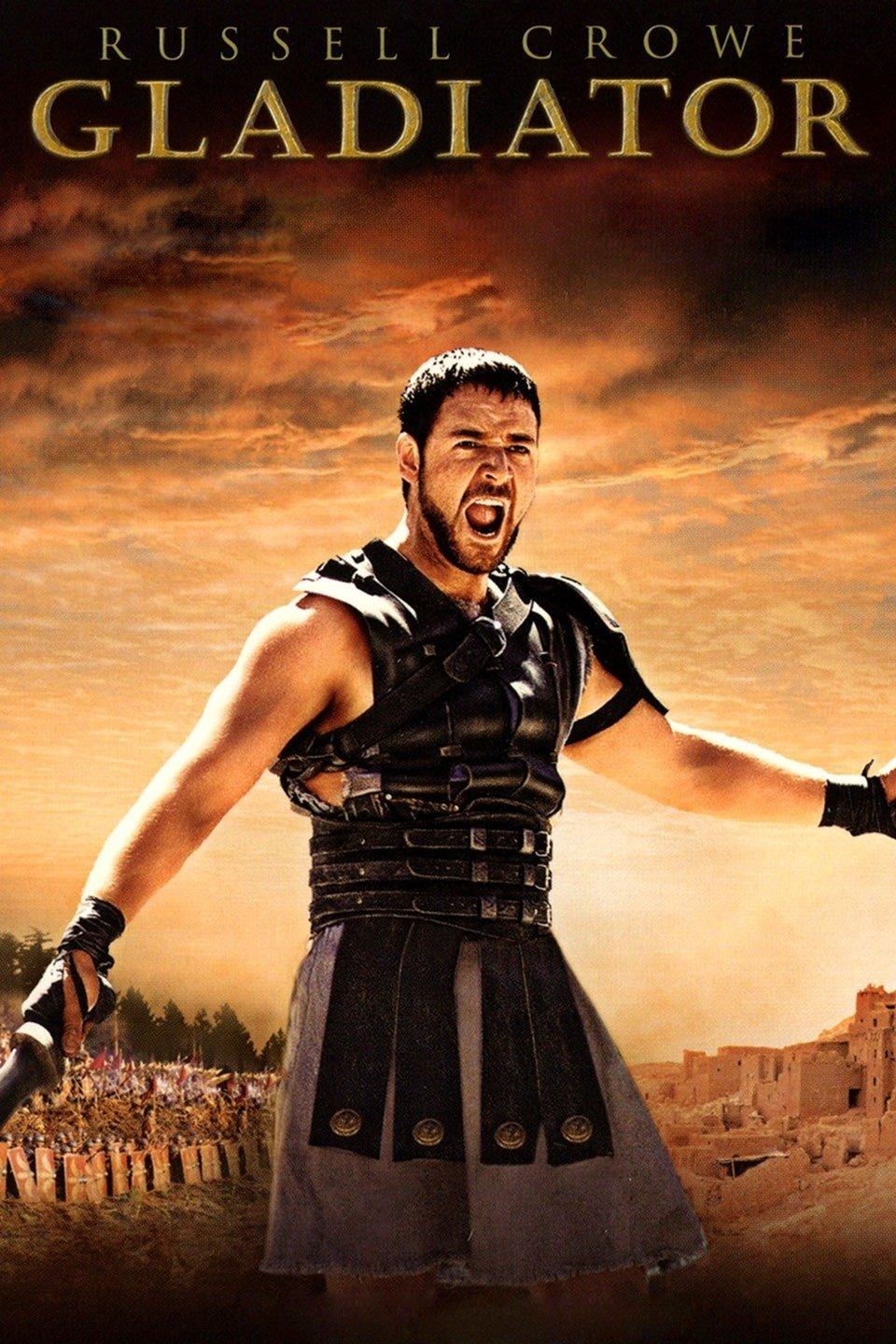
Ridley Scott’s Gladiator is a historical drama set during the height of the Roman Empire. epic tells the story of Film, successful and respected Roman general Maximus Decimus Meridius (Russell Crowe). Emperor Marcus Aurelius (Richard Harris) intends to leave the throne not to his son but to the general he trusts. However, upon learning of this, his son Commodus (Joaquin Phoenix) murders his father and seizes power.
Commodus kills Maximus’s family and sells him into slavery, destroying his life. Forced to fight as a gladiator in the arena, Maximus struggles to survive while seeking vengeance. Over time, he wins the affection of the Roman people and moves toward a final confrontation with Commodus.
The film narrates Maximus’s tragic story against the backdrop of political intrigue in ancient Rome and the brutal reality of gladiatorial combat.
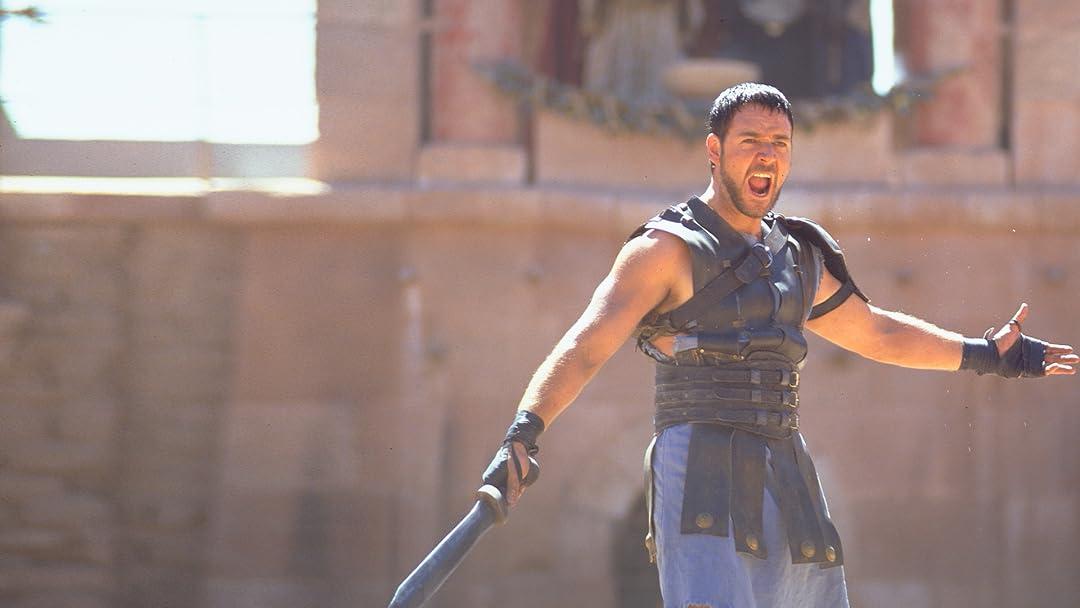
Scene from the film Gladiator - PrimeVideo
The film vividly reflects the complex nature of political power and intrigue in Rome. Commodus’s schemes and ambition highlight the corruption and cruelty inherent in the pursuit of political authority.
Maximus’s quest for revenge forms the central dramatic tension of the film. It questions the destructive impact of revenge on the human spirit and emphasizes the importance of real justice.
Maximus’s displays of courage in the arena earn him the support of the Roman people. The film conveys that true heroism is not granted by political power but earned through the respect of the people’s hearts.
The themes of familial love and loyalty are strongly present in the film. Maximus’s loyalty to his family and Emperor Marcus Aurelius forms the core of his motivations.
Ridley Scott used historically accurate to do sets to recreate the atmosphere of ancient Rome. The gladiator combat scenes were meticulously planned and filmed in Malta, Morocco and England. A large portion of the film was created by blending real locations with CGI technology.
One of the film’s most notable production challenges was the completion of certain scenes using CGI after Oliver Reed’s death during filming. Additionally, thousands of extras were employed to achieve a realistic appearance for the gladiatorial arenas.
Russell Crowe won the Academy Award for Best Actor for his compelling portrayal of Maximus, capturing both his physical presence and inner turmoil. Joaquin Phoenix delivered an unforgettable performance as Commodus, imbuing the character with psychological depth and a menacing personality. Connie Nielsen convincingly portrayed Lucilla as a strong and sensitive woman. Oliver Reed brought an impressive and charismatic interpretation to the role of Proximo, his final performance before his death.
Upon its release, Gladiator received widespread acclaim and helped revive the historical epic genre in cinema. The film holds a significant place in cinematic history due to its cinematography, performances and epic narrative, leaving a lasting mark on popular culture.
Best Picture
Best Actor – Russell Crowe
Best Costume Design
Best Sound
Best Visual Effects
Best Director – Ridley Scott
Best Supporting Actor – Joaquin Phoenix
Best Original Screenplay
Best Cinematography
Best Editing
Best Music
Best Art Direction
Best Film (Drama) – Won
Best Original Score – Won
Best Film – Won
Best Cinematography – Won
Best Editing – Won
Best Production Design – Won
All The Right Movies. "25 Interesting and Epic Facts About Gladiator." Accessed March 24, 2025.
Beyazperde. "Gladyatör (2000)." Accessed March 24, 2025.
IMDb. "Gladiator (2000)." Accessed March 24, 2025.
Roger Ebert. “Gladiator (2000).” Accessed March 24, 2025.
The Wrap. "Gladiator (2000) Movie Streaming." Accessed March 24, 2025. Link.
Time. "Gladiator 2 Connections to Original." Accessed March 24, 2025.

Themes and Analysis
1. Power and Political Intrigue
2. Revenge and Justice
3. Heroism and the Power of the People
4. Family and Loyalty
Production Process and Technical Features
Performances
Awards and Nominations
Academy Awards (Oscars, 2001)
Wins:
Nominations:
Golden Globe Awards (2001)
BAFTA Awards (2001)