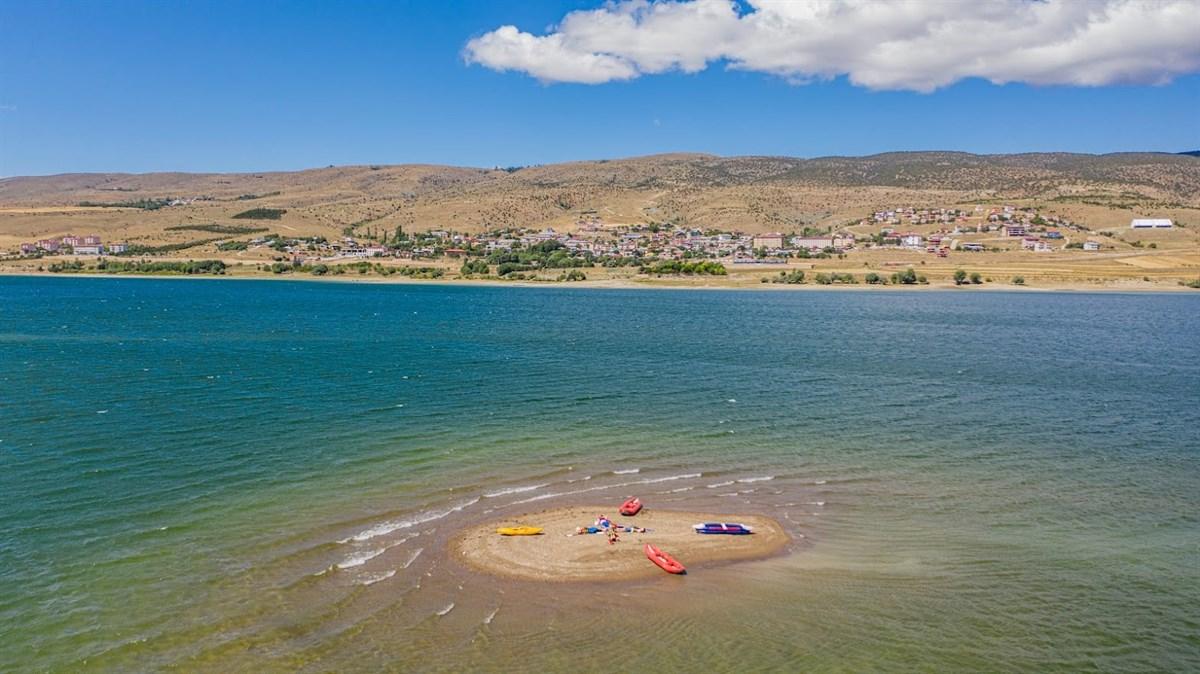
This article was automatically translated from the original Turkish version.
+1 More
Location | Gölova district Sivas | ||||||||
|---|---|---|---|---|---|---|---|---|---|
Water Resources | Gölova Dam Lake | ||||||||
Fish Species | Carp, Spotted Carp, Headfish, Silverfish, Caner | ||||||||
Activities | Birdwatching, Camping, Nature hiking, Photography | ||||||||
Gölova Important Natural Area (INA) is an internationally recognized nature conservation site located within the boundaries of Gölova district in eastern Sivas Province, Türkiye, renowned for its rich biological diversity. Situated at the intersection of the Black Sea, Eastern Anatolia, and Central Anatolia regions, Gölova has been included in the List of Important Natural Areas due to its endemic plant species, wetland ecosystems, and abundant bird populations. Gölova contributes to the regional economy through its natural beauty, which supports nature tourism, as well as agriculture and livestock farming, while also maintaining its ecological significance through irrigation, sport fishing, and birdwatching activities.
The Gölova INA is located approximately 170 kilometers from the city center of Sivas. Situated in the transition zone between the Black Sea and continental climates, the area is easily accessible by road. Along with the lakes surrounding Gölova district, it attracts attention for both its natural and cultural features.
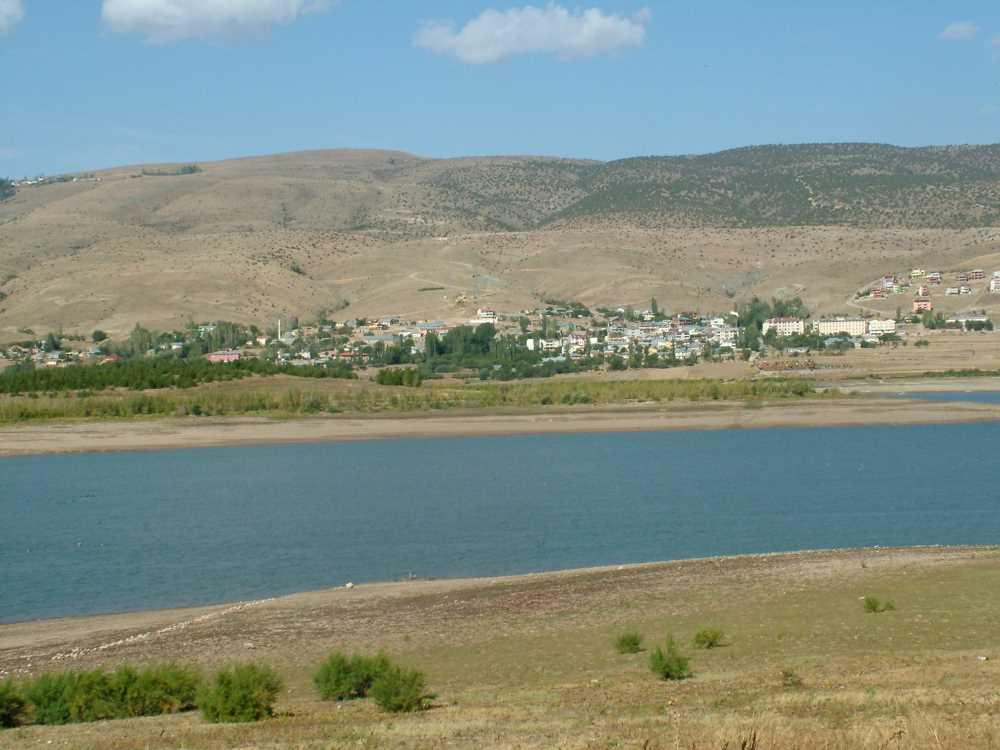
Gölova Important Natural Area (Culture Portal)
The most notable biological richness of the Gölova INA consists of approximately 50 plant species, including the endemic mullein species Verbascum trichostylum. One of the most prominent wildlife species in the wetlands is the endangered white-headed duck (Oxyura leucocephala), which breeds in Aşağı Tepecik Lake. Historically, cranes (Grus grus) were also known to breed in the area; today they pass through during migration periods.
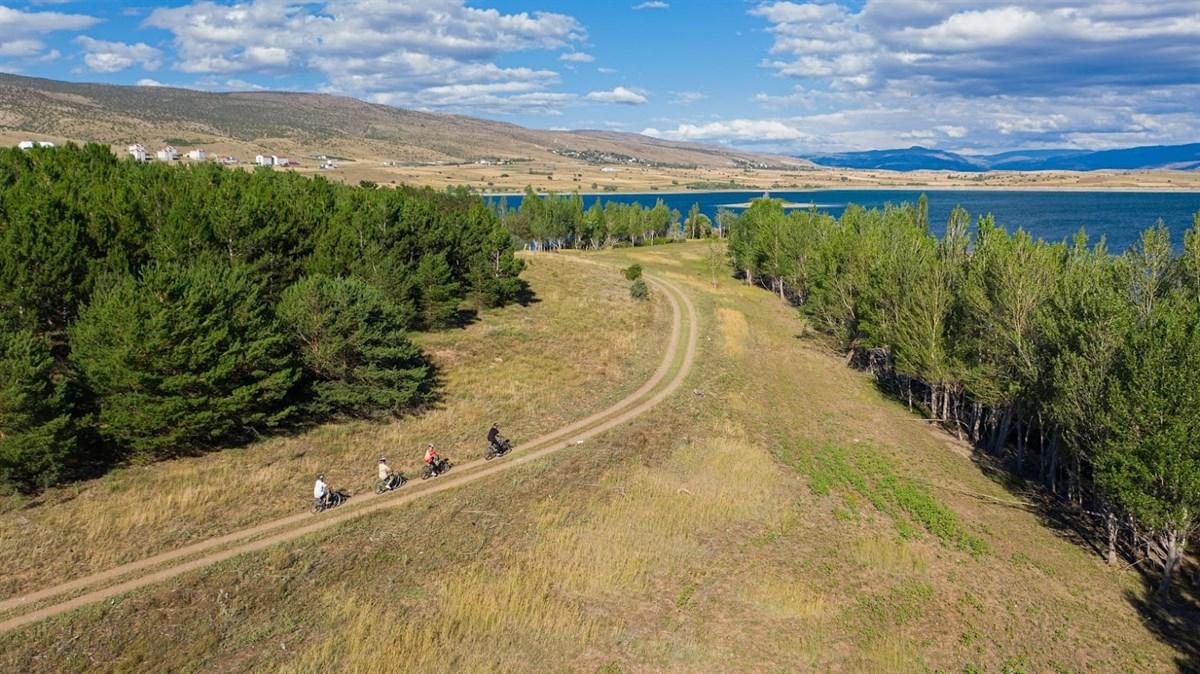
Gölova Important Natural Area (Sivas Governorate)
The main wetlands forming the natural richness of the Gölova INA are Baraj Lake, Aşağı Tepecik Lake, and Sütlü Lake. These lakes host or accommodate numerous waterbird species including duck, grebe, coot, wild goose, gull, heron, spoonbill, little bittern, little grebe, black-necked grebe, water rail, black-headed gull, and tufted duck. In addition, various fish species such as carp, mirror carp, mullet, silver fish, and catfish inhabit these lakes.
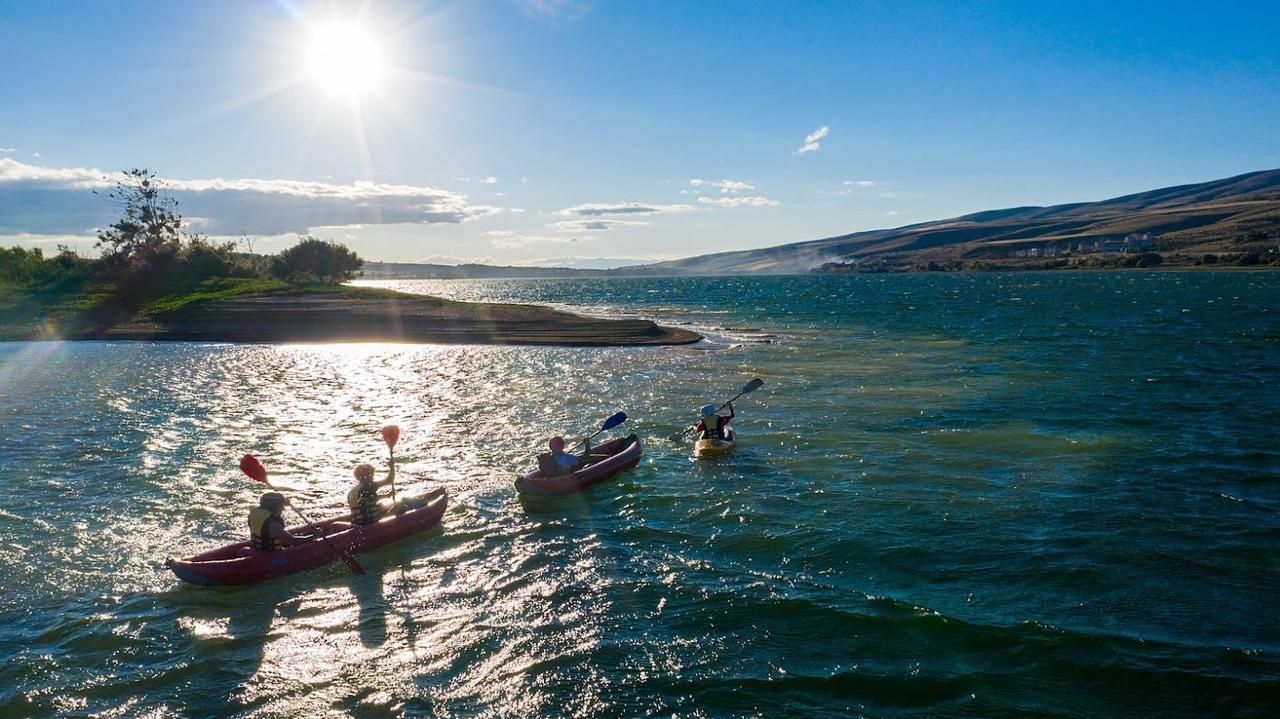
Gölova Important Natural Area (Sivas Governorate)
Gölova is one of Türkiye’s leading destinations for birdwatching. Numerous bird species including grebe, black-necked grebe, mallard, grey heron, great and little white egrets, reed warbler, little bittern, ruff, crane, red-crested pochard, white-headed duck, red-knobbed coot, common crane, spiderhunter, chaffinch, willow warbler, nightingale, and wheatear are regularly observed and photographed in the district. Due to this rich diversity, Gölova has become a popular destination for nature enthusiasts, photographers, and researchers.
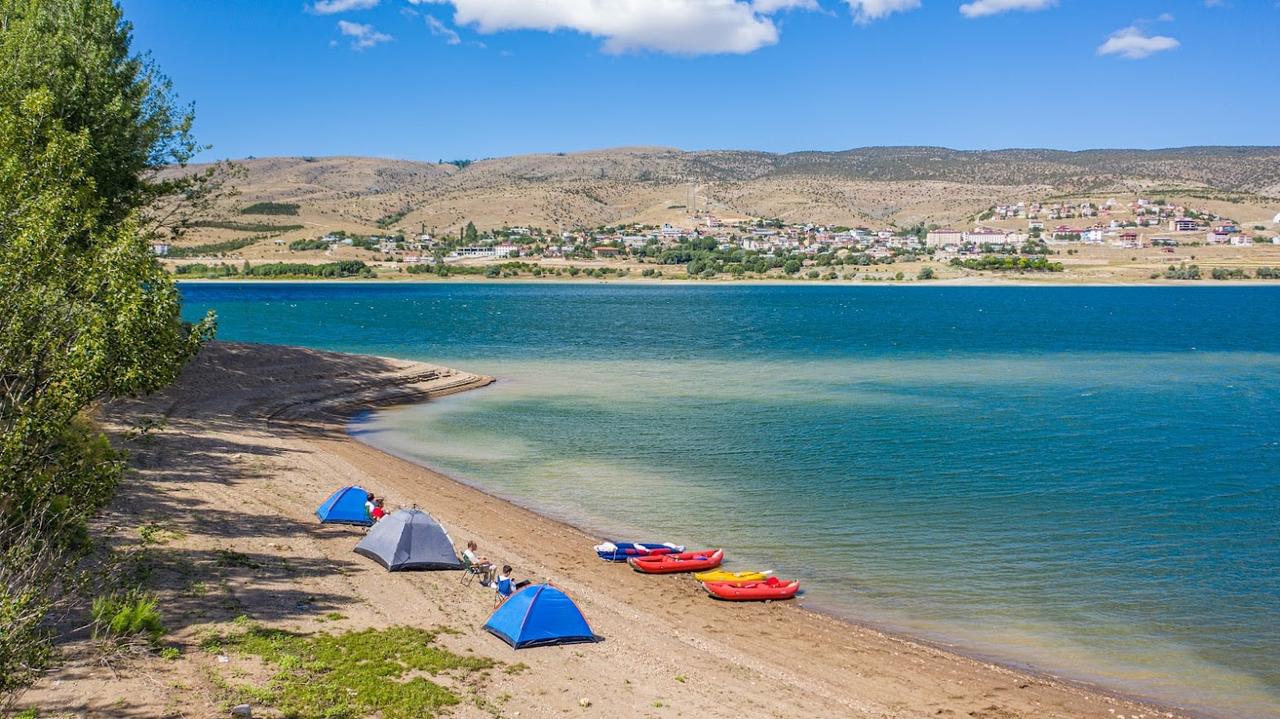
Nature-based tourism activities such as camping, photo safaris, angling, trekking, boating, cycling, and diving are widely practiced along the lake shores. Fishing competitions are occasionally held in Gölova, contributing to the vibrancy of the region both socially and recreationally. Especially during summer months, Gölova attracts intense interest from nature lovers and is also a key visitation site for diaspora communities under the “sila tourism” initiative.
Gölova Important Natural Area (Sivas Governorate)
Gölova Dam Lake has a volume of 65.00 million cubic meters and a surface area of 4.85 square kilometers. The lake provides irrigation water to 6,150 hectares of agricultural land, contributing significantly to the sustainability of agricultural production in the region. The dam lake also serves as a vital habitat for waterbirds in the area.
The designation of Gölova as an Important Natural Area highlights its status as one of Türkiye’s and the world’s ecologically sensitive regions. Its ecological importance, stemming from endemic species and rare-breeding birds, underscores the necessity for continuous protection and monitoring. Gölova’s natural resources hold strategic value not only for tourism but also for long-term environmental sustainability.
Accessed November 26, 2025.
Accessed November 26, 2025.
Ministry of Culture and Tourism. "Gölova İlçesinde Doğa Turizmi." Kültür Portalı. Accessed July 20, 2025.
Republic of Turkey Sivas Governorship. "Bu göl ilçeye hayat veriyor." Sivas Valiliği Resmî Web Sitesi. Accessed July 20, 2025.

Location | Gölova district Sivas | ||||||||
|---|---|---|---|---|---|---|---|---|---|
Water Resources | Gölova Dam Lake | ||||||||
Fish Species | Carp, Spotted Carp, Headfish, Silverfish, Caner | ||||||||
Activities | Birdwatching, Camping, Nature hiking, Photography | ||||||||
No Discussion Added Yet
Start discussion for "Gölova Important Natural Area" article
Geographical Location and Access
Ecosystem and Biological Diversity
Wetlands and Lakes
Birdwatching and Species Diversity
Recreational Activities and Tourism Potential
Gölova Dam Lake and Irrigation Activities
Conservation and Significance