


This article was automatically translated from the original Turkish version.
+2 More
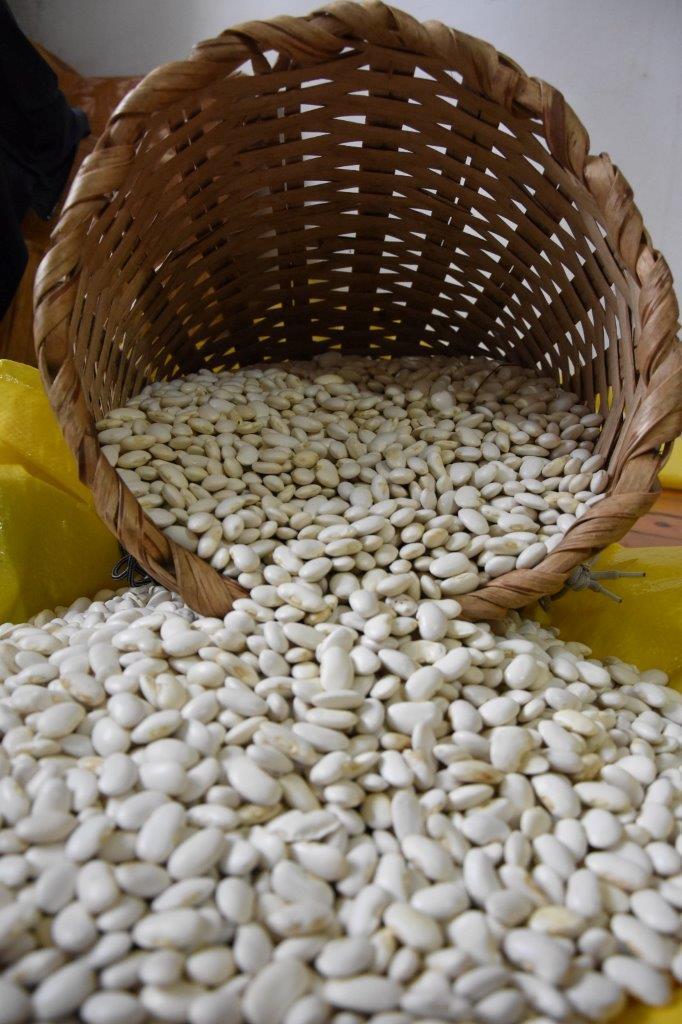
Gürgentepe Çoban Fasulyesi is a large-seeded, white-colored bean variety belonging to the species Phaseolus vulgaris L., cultivated exclusively in the Gürgentepe district of Ordu province. This annual plant is grown using a pole or trellis system, and its pods are long and straight.
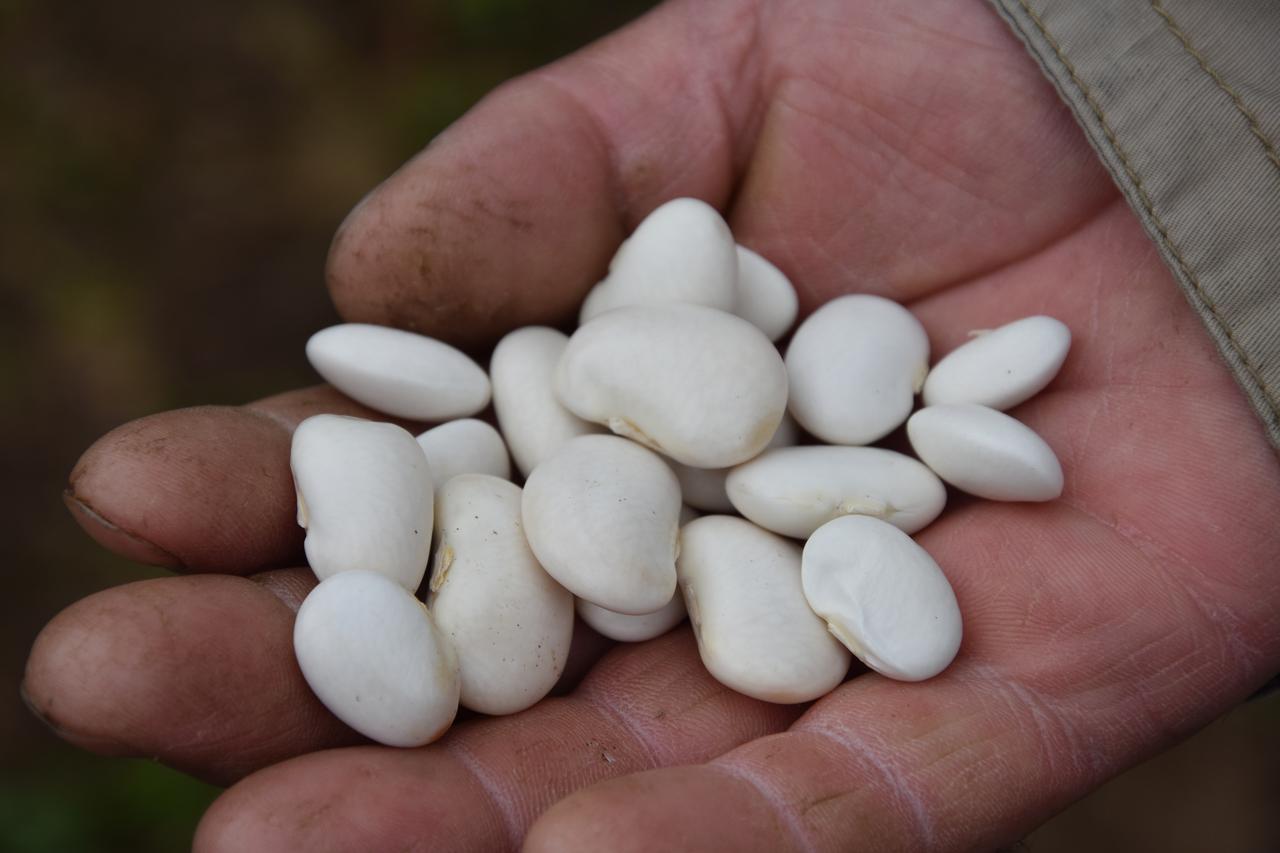
Gürgentepe Çoban Fasulyesi (Ministry of Agriculture and Forestry of the Republic of Türkiye)
Gürgentepe Çoban Fasulyesi is a bean variety of the species Phaseolus vulgaris L., cultivated exclusively within the boundaries of the Gürgentepe district of Ordu province. This bean belongs to the “battal fasulye” class and is recognized by its large, white, kidney-shaped seeds. As an annual plant, Gürgentepe Çoban Fasulyesi is cultivated using a pole or trellis system. For seed production, healthy, large seeds with the desired morphological traits are selected from the lowest pod row of the previous year’s harvest. After drying, these seeds reach a moisture content of 13–15% and are then ready for use.
The pods of this bean are long and straight, each containing an average of four to five seeds. Gürgentepe Çoban Fasulyesi is distinguished by characteristics such as pod length, pod width, 1000-seed weight, water absorption capacity, swelling capacity, and dry and wet volume. The 1000-seed weight ranges between 925 and 1512 grams, while pod length can reach up to approximately 14 cm. Water absorption capacity varies between 0.75 and 291.9 grams per seed, and swelling capacity ranges from 0.72 to 260 ml per seed. The protein content is between 16.0% and 20.4%.
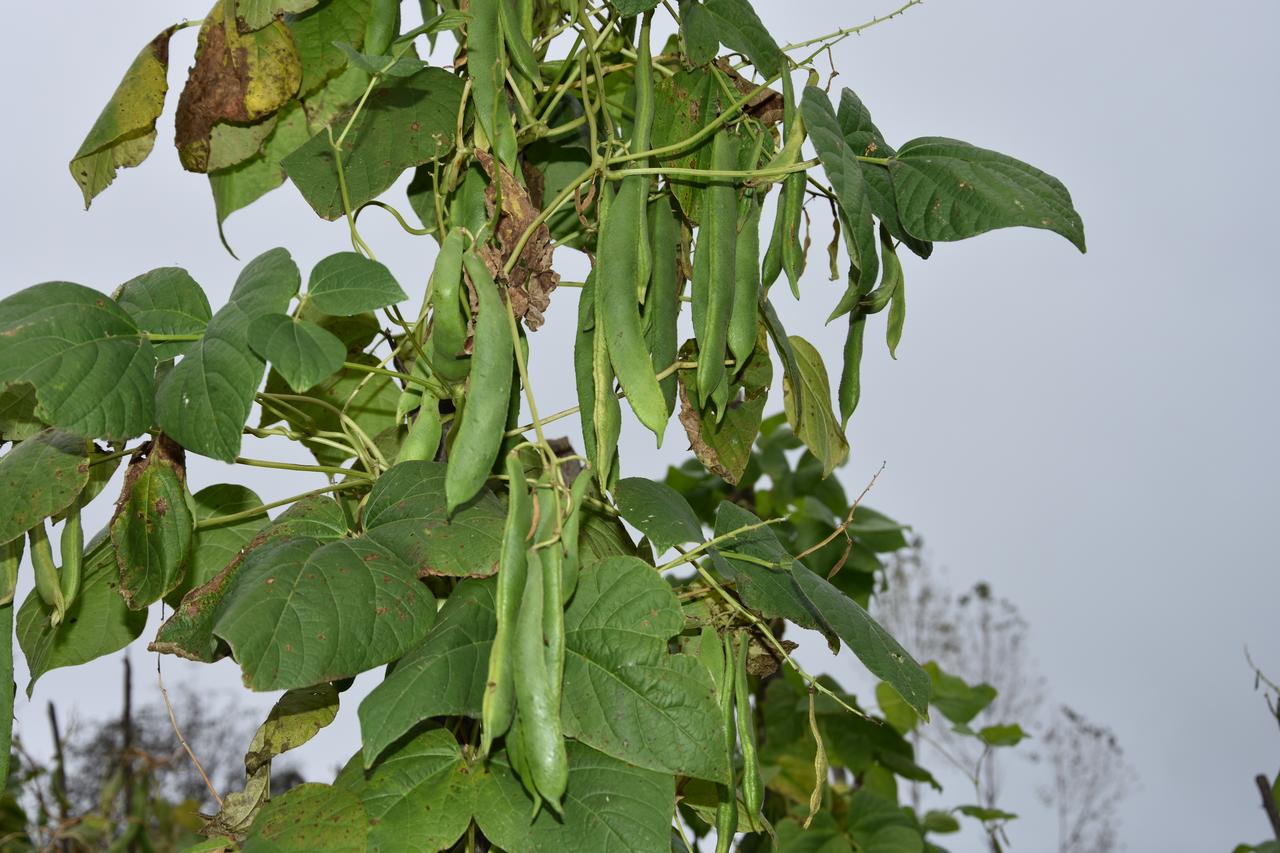
Gürgentepe Çoban Fasulyesi (Ministry of Agriculture and Forestry of the Republic of Türkiye)
This bean variety is grown only within the boundaries of the Gürgentepe district of Ordu province. The volcanic-sedimentary structure of the cultivation areas is a key environmental factor determining the product’s unique qualities. The region’s humid climate, combined with natural fertilizer contributions from wild plant residues, enhances productivity. Under the influence of these environmental factors, Gürgentepe Çoban Fasulyesi yields between 248 and 496 kg per hectare.
The field intended for Gürgentepe Çoban Fasulyesi cultivation is deeply plowed in autumn and left fallow throughout winter. In spring, once the soil is workable, it is lightly plowed a second time. Sowing is carried out during the first week of May, after the risk of frost has passed. Average temperatures at this time are around 12°C, providing suitable conditions for germination and emergence. Row spacing is maintained at 50 cm, and within-row spacing at 15 cm. In light soils, seeds are sown at a depth of 8–10 cm, while in heavy soils, the depth is 6–8 cm.
Fertilization is generally determined by soil analysis, but in practice, it is common to apply 4 kg of nitrogen (N) and 6 kg of phosphorus (P₂O₅) per hectare. Burned barn manure is also frequently used in the region. The most essential cultivation practices are weeding and control of weeds. During the three- to four-leaf stage, weeding and manual weeding are performed three to five times. A surface crust formed after rainfall or irrigation is broken by light surface weeding. Due to the region’s generally rainy climate, irrigation requirements are limited.
The harvesting period coincides with the end of September and the beginning of October. The optimal time for harvest is when the plants and pods have turned yellow and the seeds have hardened. The harvested plants are dried under natural conditions in threshing areas. Once dried, the pods are separated and the seeds are extracted. Drying continues until the moisture content reaches 13–15%. The dried beans are packed in food-safe packaging for sale and can be stored for up to 12 months while maintaining the same moisture level.
The production and processing of Gürgentepe Çoban Fasulyesi are carried out exclusively within the officially registered geographical boundary of the Gürgentepe district. The bean’s history is deeply rooted in the agricultural culture of the local population, creating a strong link between the product and its geographical origin. All stages—including seed selection, sowing, cultivation, harvesting, drying, and packaging—must be conducted within this geographical boundary.
The production and market supply of the product are subject to regular inspections conducted twice annually. Inspection activities are coordinated by the Ordu Provincial Directorate of Agriculture and Forestry and carried out by experts from Ordu University Faculty of Agriculture and the Ordu Food Control Laboratory Directorate. The first inspection takes place in April–May and evaluates soil preparation, seed quality, and sowing practices. The second inspection occurs in September–October and examines plant development, harvest timing, product characteristics, and compliance of labeling on packaging. Additional inspections may be conducted during the year if complaints arise or if needed.
The inspection authority may obtain support from or procure services from individuals or legal entities employed in public or private institutions as necessary. The registering institution manages the legal protection processes of the geographical indication.
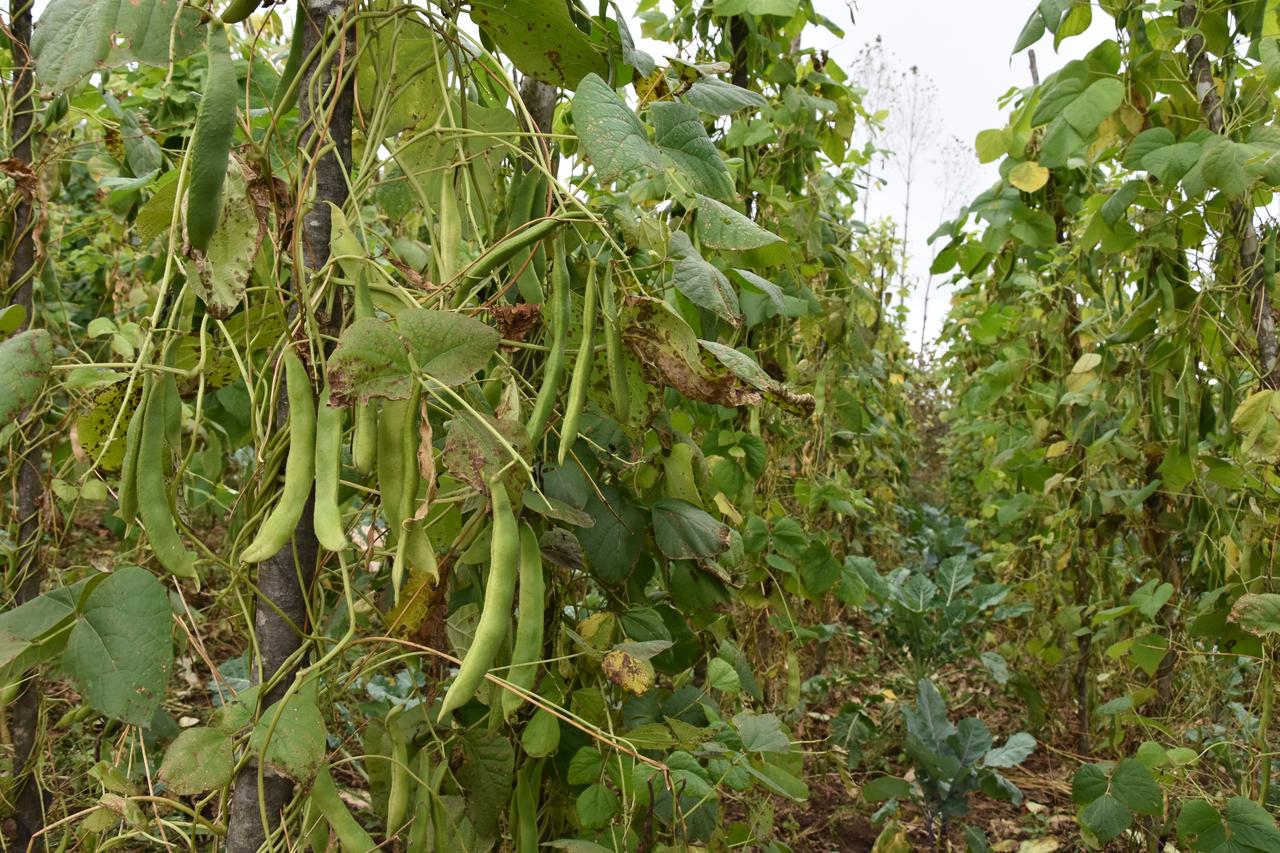
Gürgentepe Çoban Fasulyesi (Ministry of Agriculture and Forestry of the Republic of Türkiye)
Ordu İl Tarım ve Orman Müdürlüğü. "Perşembe Ceviz Helvası." Accessed June 15, 2025. https://ordu.tarimorman.gov.tr/Sayfalar/AlbumDetay.aspx?OgeId=6222.
Turk Patent and Trademark Office. "Perşembe Ceviz Helvası." Geographical Indications. Accessed June 15, 2025. https://ci.turkpatent.gov.tr/cografi-isaretler/detay/3823.
Turkish Patent and Trademark Office. "Perşembe Ceviz Helvası Tescil Belgesi." PDF document. Accessed June 15, 2025. https://ci.turkpatent.gov.tr/Files/GeographicalSigns/ee9e9c20-4a67-44bc-8468-a13a2a3eecc4.pdf.

No Discussion Added Yet
Start discussion for "Gürgentepe Shepherd's Bean" article
Botanical Characteristics
Cultivation Area and Soil Properties
Cultivation and Production Method
Harvesting, Drying, and Storage
Relationship Between Production and Processing and the Geographical Boundary
Monitoring Mechanism