


This article was automatically translated from the original Turkish version.
+1 More
Habipbaba Türbesi is a tomb structure located in the city of Erzurum, Türkiye, associated with the Sufi tradition. It is noted that the tomb was originally known as the Timurtaş Baba Türbesi, but after Habip Baba was buried there in the 19th century, it began to be commonly referred to by the public as Habipbaba Türbesi. The structure is regarded among Erzurum’s historical and religious sites and holds a significant place in the local belief system.
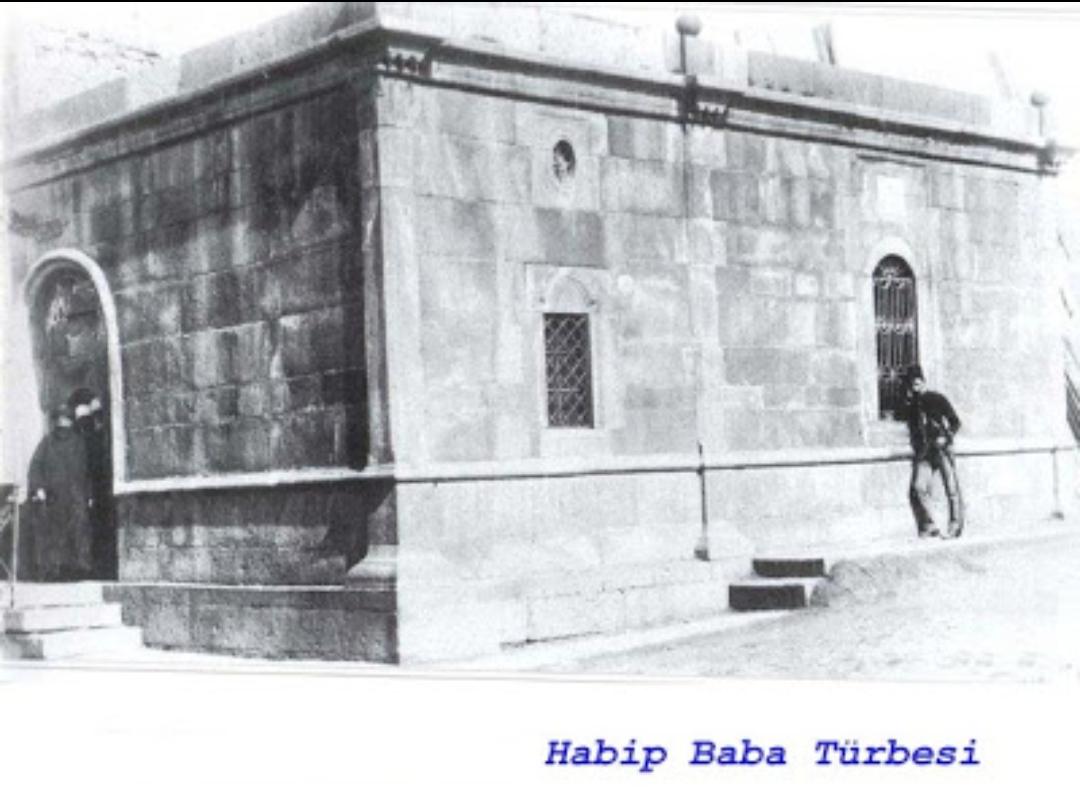
Habipbaba Türbesi (Erzurum Municipality)
Habipbaba Türbesi is situated in the urban center of Erzurum, in a location historically linked to the city’s settlement patterns. Sources indicate that the tomb is located in the vicinity of Tebrizkapı, an area that has long been one of the city’s key transit and settlement points. When considered alongside other tombs and religious structures in Erzurum, the surrounding environment is viewed as an integral part of the city’s cultural landscape.
The history of Habipbaba Türbesi is shaped around two distinct figures. According to sources, the tomb was originally constructed in the name of Timurtaş Baba, though no definitive information exists regarding its initial construction date. The current structure underwent renewal during the Ottoman period and experienced extensive restoration or reconstruction in the 19th century.
It is known that the tomb’s present architectural form resulted from works carried out in 1844 by Kâmil Paşa, who served in Erzurum during the reign of Sultan Abdülmecid. The renovations undertaken at that time renewed the structure, added an inscription plaque above the entrance, and largely established the tomb’s current appearance.
Habip Baba is said to have spent the final years of his life in Erzurum and was buried in this tomb in 1847 (H. 1264) following his death. This burial marked a significant shift in the perception of the structure: over time, it became more closely associated with Habip Baba than with Timurtaş Baba. This change was reflected in popular usage and naming practices, leading to the widespread adoption of the name “Habipbaba Türbesi.”
Throughout its historical development, the tomb has been affected by the political and social transformations experienced by Erzurum, yet it has maintained its function and symbolic importance. The tomb has endured from the late Ottoman period through the Republican era.
Habipbaba Türbesi is an open-plan tomb constructed of cut stone. The structure rests on four walls, with an entrance opening on the north façade. The inscription plaque above the entrance, which references the restoration process, is a key element documenting the tomb’s historical development.
The eastern façade features a niche, while the western façade includes a window opening into a small mosque space used by the tomb’s caretaker. These elements indicate that the structure was not merely a burial site but also served religious and visitation functions. Architecturally, the tomb shares similarities with other Ottoman-era tombs in Erzurum.
Multiple graves are located within Habipbaba Türbesi. Among them are the graves of Habip Baba, Timurtaş Baba, and Hatice Hanım, who is identified as Habip Baba’s wife. Additionally, graves of individuals who died in different periods are also present within the tomb.
The inscriptions and dates on the tombstones demonstrate that the tomb has been in continuous use over an extended period. This indicates that the structure was not limited to a single individual but served as a burial site for various people across time.
Habip Baba was a Sufi figure who lived in the 19th century. He was originally from India and, along with his father, settled in Bitlis, where he became a disciple of Uşşâki Ali Baba. After attaining sainthood, he was instructed by his master to travel first to Damascus and then to Erzurum, where he taught Islam to the people. Information about Habip Baba’s life is largely based on hagiographic accounts and oral traditions. However, it is noted that during his time in Erzurum, he was known for his spiritual guidance. The tomb’s eventual association with his name highlights his enduring influence and memory within the local community.
Habipbaba Türbesi is counted among the tombs and kümbets of Erzurum and is considered part of the city’s cultural heritage. In this regard, the tomb is regarded as an integral component of Erzurum’s historical and cultural fabric.

Location
History
Architectural Features
Graves within the Tomb
Information about Habip Baba
Cultural and Religious Significance
