


This article was automatically translated from the original Turkish version.
+2 More
Hagia Sophia Historical Museum
Location | Istanbul Türkiye | ||||||||
|---|---|---|---|---|---|---|---|---|---|
Year of Construction | 537 (reign of Emperor Justinian I) | ||||||||
Architect | Anthemius of Tralles and Isidore of Miletus | ||||||||
Architectural Style | Byzantine architecture and Ottoman architecture are interactive | ||||||||
Prominent Features | Great dome, mosaics, mihrab and minbar, Islamic calligraphy | ||||||||
UNESCO World Heritage | Has been on the UNESCO World Heritage List since 1985 | ||||||||
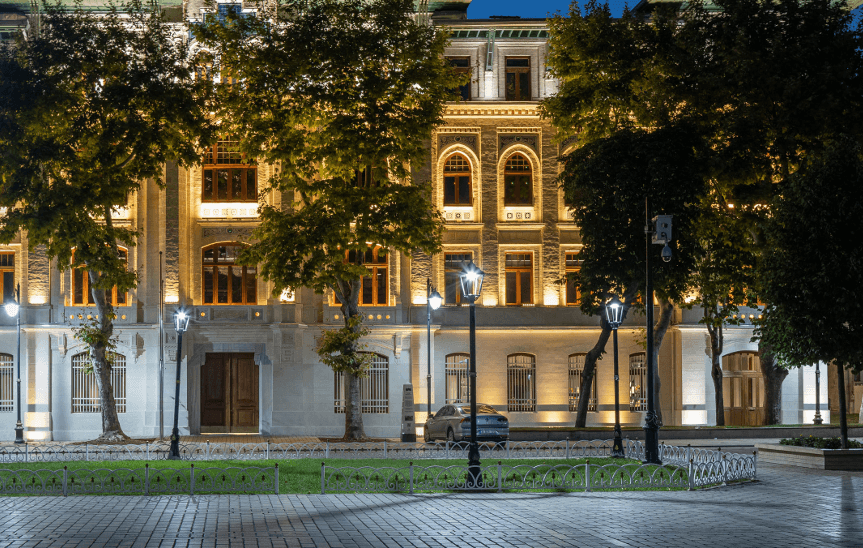
Ayasofya History and Experience Museum is located on Istanbul’s historic peninsula, immediately beside Sultanahmet Square, and serves as an important cultural center illuminating the city’s 1700-year history. Opened on 22 July 2023, the museum uses the latest technological methods to convey to visitors the journey of Ayasofya through the Byzantine, Ottoman and Republican periods. The museum operates in the building of the Defter-i Hakani Nezareti, which was designed by Mimar Vedat Tek between 1907 and 1908 and completed in 1910. This structure, one of the key examples of the First National Architectural Movement, was originally used during the Ottoman period as an official registry office and later served as the headquarters of the Directorate of Land Registry and Cadastre during the Republican era. Following comprehensive restoration work that began in 2020, the building was transformed into a modern museum narrating the history of Ayasofya.
Ayasofya was converted into a mosque in 1453 following the Ottoman Empire’s conquest of Istanbul. Ottoman Sultan Fatih Sultan Mehmet transformed Ayasofya into a mosque to strengthen the city’s Islamic identity. Christian figures, mosaics and frescoes within the building were covered or plastered over in accordance with Islamic cultural norms. Ayasofya continued to function as a mosque throughout the Ottoman period, during which several additions were made. In particular, Mimar Sinan carried out repairs and renovations to preserve the building’s grandeur.
During the Ottoman Empire, Ayasofya gained importance not only as a place of worship but also as a cultural and religious sembol. For centuries, it remained one of Istanbul’s most significant mosques until the final years of the Ottoman Empire.
Following the proclamation of the Republic, the status of Ayasofya was reconsidered during the early years of the Turkish Republic. In 1934, under the directive of President Mustafa Kemal Atatürk, Ayasofya was opened as a museum as part of a broader effort to secularize religious buildings in Türkiye. After its conversion into a museum, many elements associated with its use as a mosque were cleaned during restoration work, and Christian-era mosaics were once again revealed. These restorations enabled Ayasofya to become a unique structure presenting both its Christian and Islamic heritage side by side.
From 1935 onward, Ayasofya as a museum attracted visitors from around the world and became one of Istanbul’s most important tourist and cultural centers. The museum displayed the fusion of Christian and Islamic cultural elements. In this unique structure, Ottoman-era decorations, carpets and inscriptions could be seen alongside Byzantine mosaics and frescoes.
In 2020, Ayasofya was reconverted into a mosque by decree signed by Türkiye’s President Recep Tayyip Erdoğan. This decision generated widespread reactions both nationally and internationally, eliciting varied responses worldwide. The return of Ayasofya to use as a mosque has been associated with a transformation in Türkiye’s religious atmosphere. Although worship has resumed in Ayasofya as a mosque, it continues to remain an important site both as a place of worship and as a historical and cultural heritage, just as it did during its time as a museum.
In addition to being one of Istanbul’s most important symbols, Ayasofya has made significant contributions to world history. It held major religious, cultural and social importance during both the Byzantine and Ottoman periods. The presence of elements from both Christian and Islamic cultures in Ayasofya has transformed it from merely a place of worship into a vital part of the world’s cultural heritage.
For the Turkish people, Ayasofya remains an important structure embodying both religious and cultural identity. As one of the rare places where Christianity and Islam have coexisted, Ayasofya symbolizes the possibility of different faiths and cultures living together. It is also recognized globally as a masterpiece of art and architecture.

Exhibited Artifacts (Source: Dergi Park)
The museum building features an impressive design that blends Neo-Klasik and Ottoman architectural elements. The most prominent feature on the façade is the inscription above the entrance: “Defter-i Hakani Nezareti, Ketebe Hüseyin 1326.” Additionally, the signature of Mimar Vedat can be found in the upper right corner of the doorway. The structure consists of 13 halls spread over an area of 3,200 square meters. On the ground floor, a cistern from the Byzantine period, uncovered during restoration, is displayed. The building’s three levels are organized chronologically, offering visitors a journey through different historical periods.
The museum’s collections consist of rare artifacts from different periods of Ayasofya’s history. On the third floor, artifacts from the Byzantine period are exhibited. This section includes bronze coins from the reign of Constantine I, a gold coin of Emperor Theodosius II, and various architectural fragments from the reign of Emperor Justinian I. Replicas of some artifacts looted during the Crusades are also displayed here. The second floor is dedicated to the Ottoman period and features a silver coin of Fatih Sultan Mehmet, documents belonging to the Ayasofya Mosque Foundation, and information regarding the additions made by Mimar Sinan. On the first floor, documents and artifacts from the Republican period, when Ayasofya served as a museum, are exhibited.

Exhibited Artifacts (Source: Dergi Park)

Exhibited Artifacts (Source: Dergi Park)
The museum goes beyond traditional museum practices by offering interactive experiences to visitors. On the third floor, the installation titled “Mirrors of Infinity” reflects the architectural grandeur of Ayasofya. The museum also features audio guide systems available in 15 languages. In the experience zones, special music and projection displays recreate the atmosphere of each historical period. One of the museum’s most striking features is the portrait of Mimar Sinan, composed of 12,000 cryptic elements and mapped with digital projection, which narrates the restoration efforts carried out during the Ottoman period.
The museum is open seven days a week. During the summer season (1 April – 1 October), it operates from 09:00 to 20:00; during the winter season (1 October – 1 April), from 09:00 to 18:30. Admission is free for holders of the Museum Card. Special arrangements are available for visitors with disabilities. The café on the first floor provides visitors with a place to rest, while the museum shop offers souvenirs specifically related to Ayasofya.
The Ayasofya History and Experience Museum is a vital center established to preserve Istanbul’s cultural memory and transmit it to future generations. The museum does more than display historical artifacts; it enhances the accessibility and appeal of history through interactive experiences. By narrating the 1700-year history of Ayasofya in the finest detail, the museum makes a significant contribution to Istanbul’s cultural heritage. Located in the historic Sultanahmet Square, the museum is an indispensable destination for both domestic and international tourists.
Anadolu Ajansı. "Ayasofya Tarih ve Deneyim Müzesi, İstanbul’un ve Ayasofya’nın Tarihine Işık Tutuyor." AA. Accessed April 16, 2025.https://www.aa.com.tr/tr/kultur/ayasofya-tarih-ve-deneyim-muzesi-istanbulun-ve-ayasofyanin-tarihine-isik-tutuyor/3510254.
DergiPark. "Ayasofya Tarih ve Deneyim Müzesi Üzerine Bir İnceleme." Turkish Studies: Social Sciences, Accessed April 16, 2025.https://dergipark.org.tr/en/download/article-file/3506677.
T.C. Kültür ve Turizm Bakanlığı. "Ayasofya Tarih ve Deneyim Müzesi." Kültür Portalı. Accessed April 16, 2025.https://www.kulturportali.gov.tr/turkiye/istanbul/gezilecekyer/ayasofya-tarih-ve-deneyim-muzesi.

Hagia Sophia Historical Museum
Location | Istanbul Türkiye | ||||||||
|---|---|---|---|---|---|---|---|---|---|
Year of Construction | 537 (reign of Emperor Justinian I) | ||||||||
Architect | Anthemius of Tralles and Isidore of Miletus | ||||||||
Architectural Style | Byzantine architecture and Ottoman architecture are interactive | ||||||||
Prominent Features | Great dome, mosaics, mihrab and minbar, Islamic calligraphy | ||||||||
UNESCO World Heritage | Has been on the UNESCO World Heritage List since 1985 | ||||||||
No Discussion Added Yet
Start discussion for "Hagia Sophia History and Experience Museum" article
Historical Significance and Location of the Museum
The Transformation of Ayasofya During the Ottoman Period
Conversion of Ayasofya into a Museum (1935)
Reconversion into a Mosque in 2020
Cultural and Religious Significance of Ayasofya
Architectural Structure and Physical Features
Collections and Exhibition Halls
Technological Innovations and Experience Zones
Visitor Experience and Practical Information
The Museum’s Contribution to Cultural Heritage