

This article was automatically translated from the original Turkish version.
+2 More
Registration Number | 893 | ||||||||
|---|---|---|---|---|---|---|---|---|---|
Registration Date | 17.09.2021 | ||||||||
Application Number | C2020/473 | ||||||||
Application Date | 31.12.2020 | ||||||||
Name of the Geographical Indication | Hatila Honey | ||||||||
Product / Product Group(s) | Honey / Honey | ||||||||
Type of Geographical Indication | Place of origin | ||||||||
Applicant/Registrant(s) | Limited Liability Taşlıca Village Agricultural Development Cooperative | ||||||||
Address of the Registrant | Çarşı Mah. İnönü Cad. Karahan Pasajı Kat:2 No:208 ARTVİN | ||||||||
Geographical Boundary | Artvin Province Hatila Village and National Park Central District | ||||||||
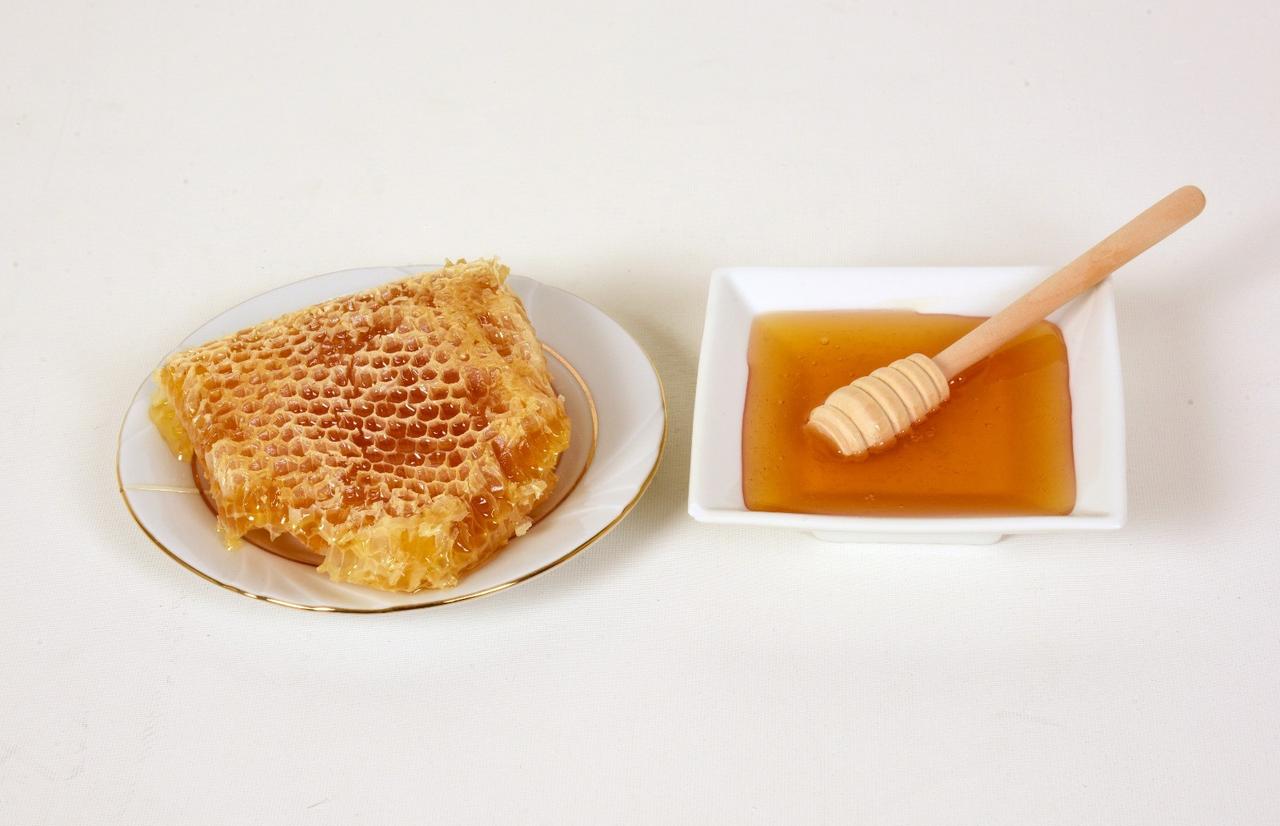
Hatila Honey is a protected honey variety produced within the boundaries of the Central District of Artvin Province, specifically in the Hatila Valley, under geographical indication registration. The production area encompasses the Hatila Valley ecosystem, which hosts more than 1,349 plant species enriched with relict and endemic flora. This honey is traditionally produced using the Caucasian bee and Caucasian hybrid bee races. It is recognized by its clear appearance in amber and yellow tones, its mild throat sensation upon swallowing, and its fluid consistency. Its composition includes pollen from various plant families such as Apiaceae, Fagaceae, Fabaceae, Ericaceae, Rosaceae, Oleaceae, and Tiliaceae.
The area where Hatila Honey is produced is the Hatila Valley, located in Taşlıca Village (formerly known as Hatila), which belongs to the Central District of Artvin Province. This region, incorporated into the boundaries of a National Park in 1994, stands out for its rich vegetation and topographic diversity. The valley’s morphological structure, shaped by slope discontinuities and waterfalls resulting from lithological variations, has enabled the development of an exceptionally dense vegetative cover in the middle and upper sections of the valley. The vegetation structure includes relict and endemic species. Over 1,349 plant species and varieties have been recorded in the valley. This botanical diversity directly influences beekeeping activities and the qualitative characteristics of the honey.
The highly isolated nature of the settlement areas within the Hatila Valley imparts distinctive qualities to the honey’s composition. Particularly, the valley-specific relict plant communities contribute to the formation of unique proline and moisture values in the honey.
Beekeeping activities in the Hatila Valley have a history of approximately three centuries. Honey production in the region continues to be carried out using traditional methods and tools. In the production of Hatila Honey, the Caucasian bee and Caucasian hybrid bee races are primarily preferred.
Beekeeping structures used in the valley for honey production are classified into two main types:
The plant sources of Hatila Honey are highly diverse. The honey primarily contains pollen from the following plant families:
This diversity plays a significant role in determining the chemical and sensory properties of the honey.
Spring maintenance begins in March, when air temperatures are expected to reach at least 13°C. While bees naturally clean their combs, wax and dust residues accumulating beneath the hives are removed. Parasites such as Varroa are controlled. If honey stores in the hives are insufficient, deficiencies are compensated with bee bread, preferably prepared from the bees’ own honey. By April, when the internal population of the hives reaches sufficient levels, the hives are prepared for honey production.
At the end of May, hives designated for honey harvest are identified. No additional feeding or medication is administered to the bees until the harvesting period. Due to climatic conditions—particularly the intensity of spring rains—moisture levels may increase within the hives; in such cases, insulation measures are implemented. The harvest period begins in the third or fourth week of July and concludes in the first week of August. The ideal time for harvest is when all or at least two-thirds of the frames are sealed and the honey has matured.
In autumn, queen bee inspections, honey stock evaluations, and hive reductions are carried out. Hives are relocated to areas within the valley that receive no direct sunlight. Wintering is conducted in open areas, ensuring that hive covers are sturdy. The front of each hive is oriented toward the south. Hives are typically maintained on stands approximately 50 cm high.
The filtration of harvested combs is conducted in accordance with the regulations of the Ministry of Agriculture and Forestry. The process is carried out in a closed, hygienic environment. The filtered honey is stored in settling tanks for three days to achieve homogeneity, allowing bubbles and large particles to settle and separate.
The settled honey is filled into containers suitable for food contact. Labeling complies with the Turkish Food Codex Honey Notice and relevant regulations. The product is stored in dry, clean, odor-free areas, protected from direct sunlight and at temperatures below 25°C, from the filling point until it reaches the consumer.
The key physical and chemical properties of Hatila Honey are as follows:
Hatila Honey exhibits an amber to yellow coloration and appears clear, due to its diverse pollen composition. It leaves a mild burning sensation in the throat upon swallowing. Its texture is fluid; under appropriate storage conditions, it may crystallize into a cream-like consistency typical of filtered honeys.
The production and marketing processes of Hatila Honey are supervised by a monitoring body composed of at least three representatives from the Artvin Provincial Directorate of Agriculture and Forestry, the Faculty of Forestry at Artvin Çoruh University, the Artvin Chamber of Commerce and Industry, the Artvin Municipality, and coordinated by the Limited Liability Taşlıca Village Agricultural Development Cooperative. Monitoring is conducted at least once annually. Additional inspections are carried out upon complaint or need. All inspections are documented in accordance with Law No. 6769 on Industrial Property and submitted to the Turkish Patent and Trademark Office.
During inspections, the following elements are verified:
Turk Patent and Trademark Office. "Hatila Balı Coğrafi İşaret Tescil Belgesi." Accessed July 14, 2025. https://ci.turkpatent.gov.tr/Files/GeographicalSigns/3bcb9d68-3c3d-44f8-9fbe-12069f118044.pdf.
Turkish Patent and Trademark Office. "Hatila Balı." Accessed July 14, 2025. https://ci.turkpatent.gov.tr/cografi-isaretler/detay/3198.

Registration Number | 893 | ||||||||
|---|---|---|---|---|---|---|---|---|---|
Registration Date | 17.09.2021 | ||||||||
Application Number | C2020/473 | ||||||||
Application Date | 31.12.2020 | ||||||||
Name of the Geographical Indication | Hatila Honey | ||||||||
Product / Product Group(s) | Honey / Honey | ||||||||
Type of Geographical Indication | Place of origin | ||||||||
Applicant/Registrant(s) | Limited Liability Taşlıca Village Agricultural Development Cooperative | ||||||||
Address of the Registrant | Çarşı Mah. İnönü Cad. Karahan Pasajı Kat:2 No:208 ARTVİN | ||||||||
Geographical Boundary | Artvin Province Hatila Village and National Park Central District | ||||||||
Geographical and Ecological Characteristics
Beekeeping Tradition and Production Process
Beekeeping Structures
Plant Sources and Pollen Content
Production Calendar and Maintenance Procedures
Spring Maintenance
Summer Period
Autumn Maintenance
Harvesting and Filtration Process
Packaging and Storage
Physical and Chemical Properties
Sensory Properties
Monitoring and Control Mechanism