

This article was automatically translated from the original Turkish version.
+1 More
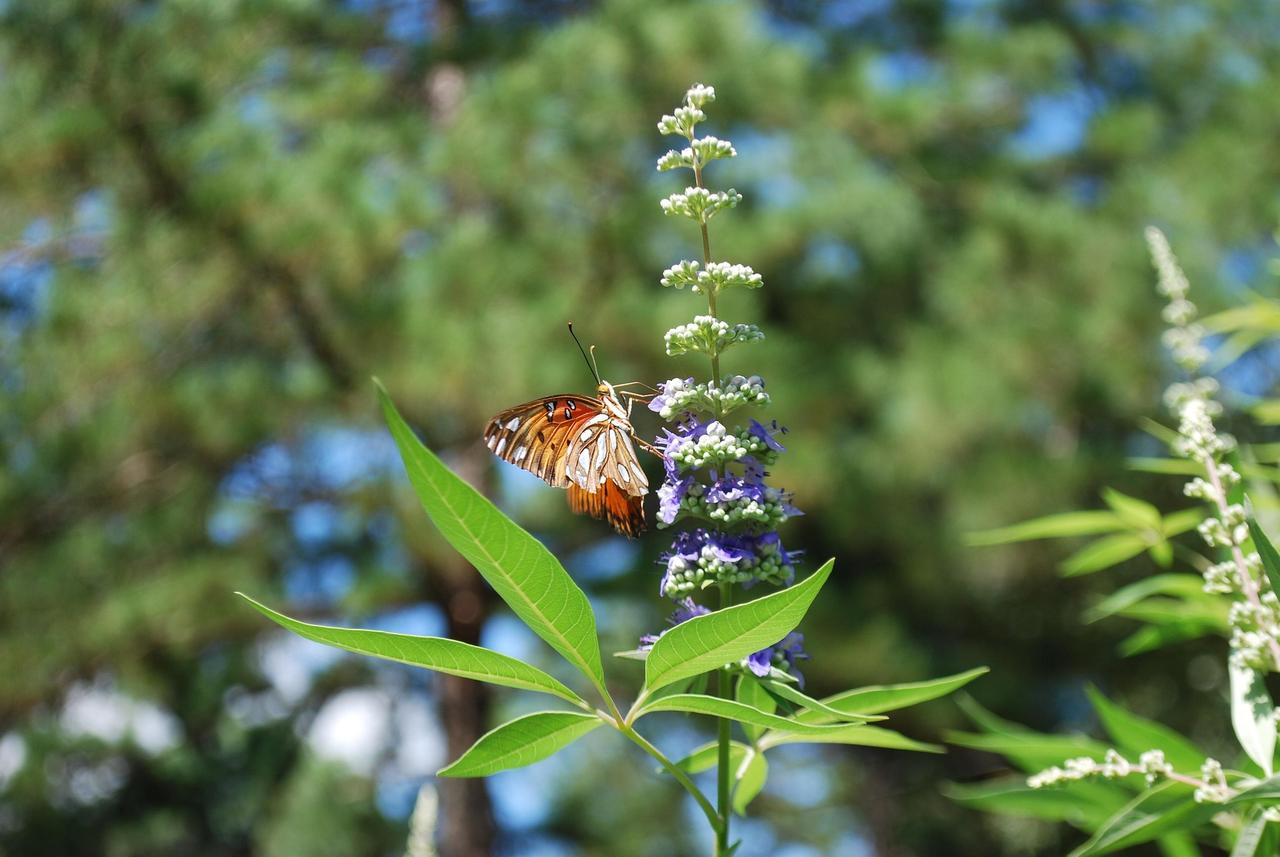
Vitex (Vitex agnus-castus L.) is a deciduous shrub or small tree species belonging to the Verbenaceae family, commonly known as vitex or chaste tree. It is the most widespread and medicinally significant among approximately 250 species in the Vitex genus. Morphologically, it can grow to a height of 1.5 to 2 meters and reach up to 6 meters under cultivation conditions. Its aromatic leaves, arranged in palmate clusters of five to seven leaflets, exhibit a gray-green upper surface and a lighter-colored underside.
Vitex is naturally distributed across the Mediterranean region, Central Asia, and southern Europe. Two species are found in the flora of Türkiye: Vitex agnus-castus and Vitex pseudo-negundo. The plant has been widely used in ancient civilizations including Egypt, Greece, Iran, and Rome for gynecological conditions. Historically, it was believed to reduce libido and was consumed in monasteries under the name chaste lamb【1】. In traditional medicine, extracts prepared by boiling the fruits and leaves were prescribed for menstrual irregularities, digestive disorders, eye diseases, and to support lactation.
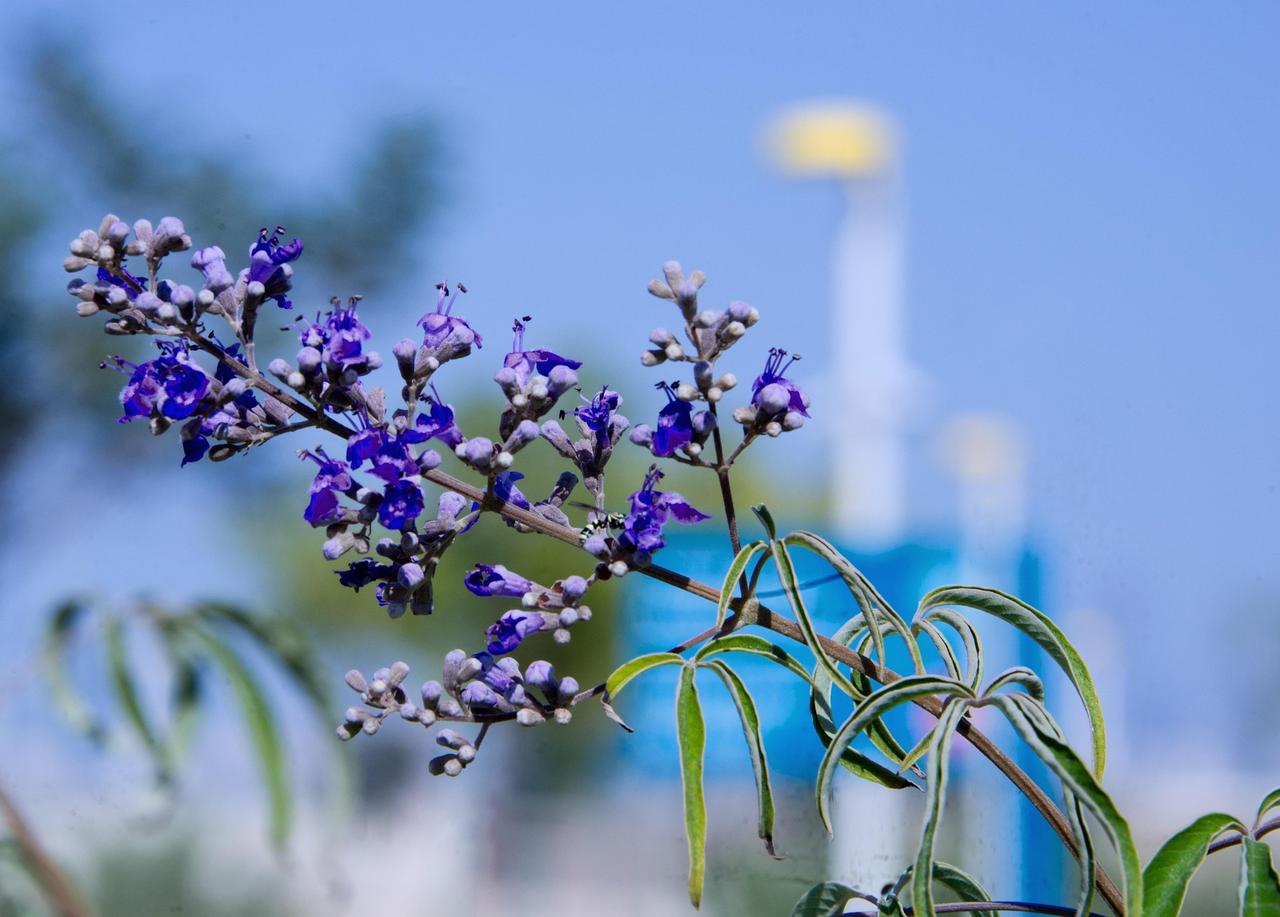
Vitex (Vitex agnus-castus L.)
Vitex fruits contain flavonoids, iridoid glycosides, diterpenoids, volatile oils, and ketosteroids. Among these, flavonoids, iridoid glycosides, diterpenoids, volatile oils, and ketosteroids are the most prominent. The main components of the plant’s volatile oil are 1,8-cineole, sabinene, and α-pinene.
Linoleic acid, found in the fruits, is a significant phenolic compound that contributes to the plant’s hormonal effects by binding to estrogen receptors. In standardization of herbal preparations, levels of casticin and agnuside are typically used as reference markers.【2】
Modern scientific research has confirmed that vitex extracts possess anti-inflammatory, antibacterial, antifungal, antioxidant, and anticancer properties. The antioxidant capacity is primarily attributed to flavonoids and the compound casticin. Cytotoxicity studies have observed that vitex extracts induce apoptosis in various cancer cell lines, demonstrating anticancer activity. Additionally, the plant’s volatile oils have shown antimicrobial and antifungal efficacy against pathogens such as Staphylococcus aureus and Candida albicans.
Today, vitex is most commonly used in complementary medicine for the treatment of premenstrual syndrome and menstrual disorders. The German Commission E has recognized its use for menstrual irregularities, PMS, and mastalgia. Clinical studies have demonstrated that daily doses of 20–40 mg of vitex extract significantly reduce symptoms such as headache, irritability, and breast tenderness compared to placebo.
Due to its dopaminergic agonist activity, vitex helps regulate prolactin levels and exhibits efficacy in mastalgia treatment similar to pharmacological agents such as bromocriptine. Evidence also suggests a supportive role in alleviating menopausal symptoms and addressing infertility related to progesterone deficiency.【3】
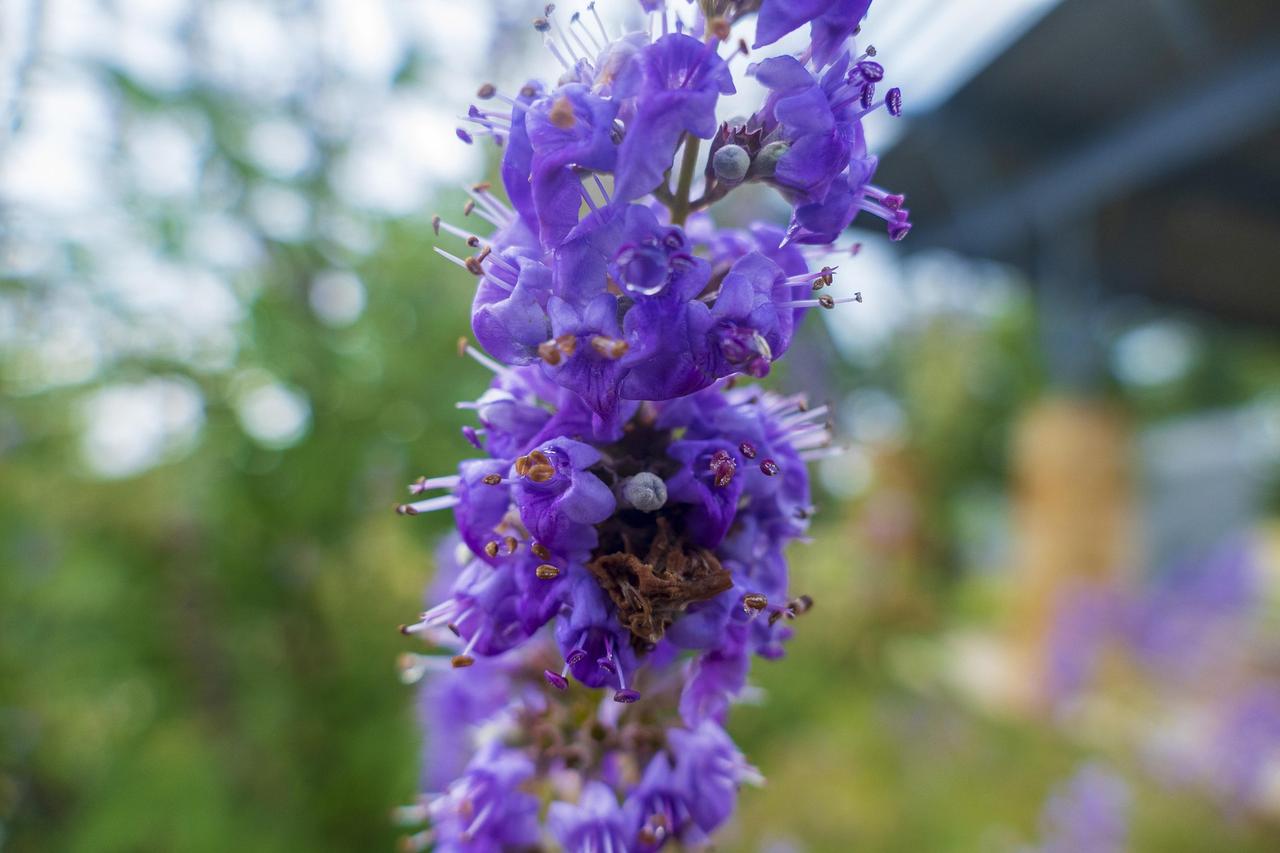
Vitex Plant
Side effects of vitex supplements are generally mild and reversible; the most commonly reported complaints are nausea, headache, and allergic reactions. Vitex is used in complementary medicine for premenstrual syndrome and menstrual disorders. Daily doses of 20–40 mg of extract may reduce headache, irritability, and breast tenderness.
Due to potential interactions with dopamine antagonists and oral contraceptives, caution is advised. Use during pregnancy and lactation is contraindicated due to its hormonal effects and incomplete understanding of its impact on the fetus.
To meet increasing industrial demand and conserve natural populations, in vitro micropropagation techniques have been developed for vitex. Studies using mature apical meristems and nodal explants have achieved high regeneration frequencies on culture media containing BAP and kinetin. These methods enable the continuous supply of genetically identical plant material, facilitating the production of high-quality raw materials for the pharmaceutical industry.
Warning: The content in this article is provided solely for general encyclopedic information. The information herein should not be used for diagnosis, treatment, or medical advice. Always consult a physician or qualified healthcare professional before making any health-related decisions. The author and KÜRE Encyclopedia assume no responsibility for any consequences arising from the use of this information for diagnostic or therapeutic purposes.
Altunay, Ceren, and Özge Taştan. “Vitex Agnus-Castus: Faydaları, Klinik Çalışmalar ve Gelecekteki Potansiyel Gıda Uygulamaları.” *Türk Tarım - Gıda Bilim ve Teknoloji Dergisi* 11, no. 11 (2023): 2185-2193. Accessed February 21, 2026. https://search.trdizin.gov.tr/tr/yayin/detay/1256456/vitex-agnus-castus-faydalari-klinik-calismalar-ve-gelecekteki-potansiyel-gida-uygulamalari
Balabarcon, Richard. “İffetli Ağaç Çiçekler (Vitex).” Pixabay, 2026. Accessed February 21, 2026. https://pixabay.com/tr/photos/iffetli-a%C4%9Fa%C3%A7-%C3%A7i%C3%A7ekler-bitki-viteks-6557824/
Balaraju, K., P. Agastian, J. P. Preetamraj, S. Arokiyaraj, and S. Ignacimuthu. “Micropropagation of *Vitex agnus-castus* (Verbenaceae): A Valuable Medicinal Plant.” *In Vitro Cellular & Developmental Biology. Plant* 44, no. 5 (2008): 436–41. Accessed February 21, 2026. http://www.jstor.org/stable/20461741
Herren, Michael. “Çiçek – Çarşaflar (Vitex agnus).” Pixabay, 2026. Accessed February 21, 2026. https://pixabay.com/tr/photos/%C3%A7i%C3%A7ek-%C3%A7ar%C5%9Faflar-vitex-agnus-5346581/
Hobbs, Christopher. “The Chaste Tree: *Vitex Agnus Castus*.” *Pharmacy in History* 33, no. 1 (1991): 19–24. Accessed February 21, 2026. http://www.jstor.org/stable/41111358
Niroumand, Mina, Fatemeh Heydarpour, and Mohammad Farzaei. “Pharmacological and Therapeutic Effects of *Vitex Agnus-Castus* L.: A Review.” *Pharmacognosy Reviews* 12, no. 23 (2018). Accessed February 21, 2026. https://www.proquest.com/docview/2041817536?pq-origsite=gscholar&fromopenview=true&sourcetype=Scholarly%20Journals
Pixabay. "Çiçek – Çarşaflar (Vitex agnus)." Pixabay, 2026. Accessed February 21, 2026. https://pixabay.com/tr/photos/%C3%A7i%C3%A7ek-%C3%A7ar%C5%9Faflar-vitex-agnus-5472492/
Pixabay. "Çiçek – Çarşaflar (Vitex agnus)." Pixabay, 2026. Accessed February 21, 2026. https://pixabay.com/tr/photos/iffetli-a%c4%9fa%c3%a7-%c3%a7i%c3%a7ekler-bitki-viteks-6557824/
[1]
Niroumand, Mina, Fatemeh Heydarpour ve Mohammad Farzaei. 2018. “Pharmacological and Therapeutic Effects of Vitex Agnus-Castus L.: A Review.” Pharmacognosy Reviews 12, no. 23, erişim tarihi 17 şubat 2026, https://www.proquest.com/docview/2041817536?pq-origsite=gscholar&fromopenview=true&sourcetype=Scholarly%20Journals
[2]
Altunay, Ceren ve Özge Taştan. 2023. “Vitex Agnus-Castus: Faydaları, Klinik Çalışmalar ve Gelecekteki Potansiyel Gıda Uygulamaları.” Türk Tarım - Gıda Bilim ve Teknoloji Dergisi 11, no. 11: 2185‑2193, erişim tarihi 17 şubat 2026, https://search.trdizin.gov.tr/tr/yayin/detay/1256456/vitex-agnus-castus-faydalari-klinik-calismalar-ve-gelecekteki-potansiyel-gida-uygulamalari
[3]
Niroumand, Mina, Fatemeh Heydarpour ve Mohammad Farzaei. 2018. “Pharmacological and Therapeutic Effects of Vitex Agnus-Castus L.: A Review.” Pharmacognosy Reviews 12, no. 23, erişim tarihi 17 şubat 2026, https://www.proquest.com/docview/2041817536?pq-origsite=gscholar&fromopenview=true&sourcetype=Scholarly%20Journals

No Discussion Added Yet
Start discussion for "Hayıt (Vitex agnus-castus)" article
Geographical Distribution and Historical Ethnobotanical Use
Phytochemical Composition and Bioactive Compounds
Pharmacological Properties and Laboratory Studies
Clinical Applications and Therapeutic Efficacy
Safety Profile, Dosage, and Contraindications
Modern Production Techniques and Micropropagation