


This article was automatically translated from the original Turkish version.
+2 More
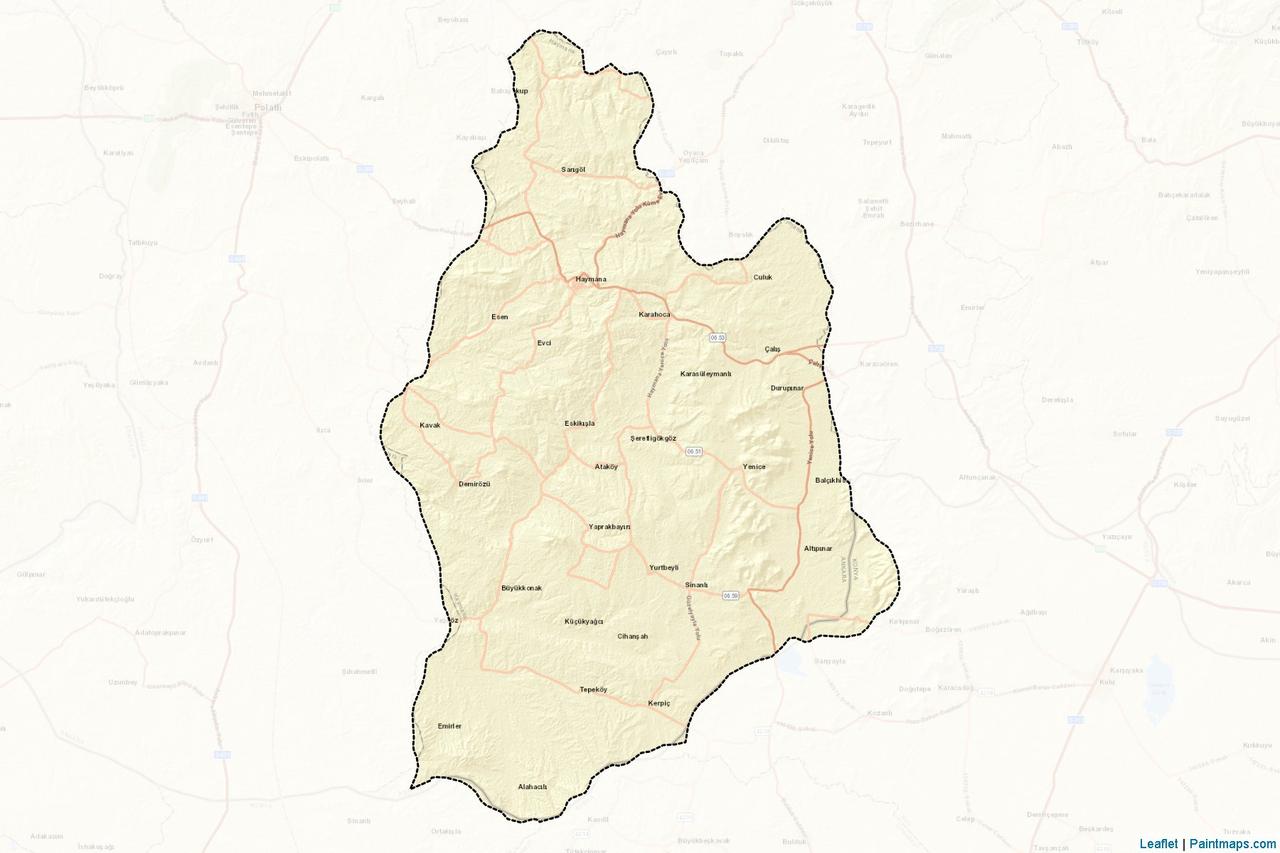
Haymana is a district in Türkiye’s Central Anatolia Region, subordinate to Ankara. Located approximately 75 kilometers from the capital, the district has a large surface area and an average elevation of 1,260 meters. Access to the district is provided by road, with easy connectivity via public transportation from Ankara and neighboring districts. To the east of the district lie Balâ, to the south Kulu and Cihanbeyli, to the west Polatlı, and to the north Gölbaşı. Two-thirds of the district’s territory is occupied by the Haymana Plateau.
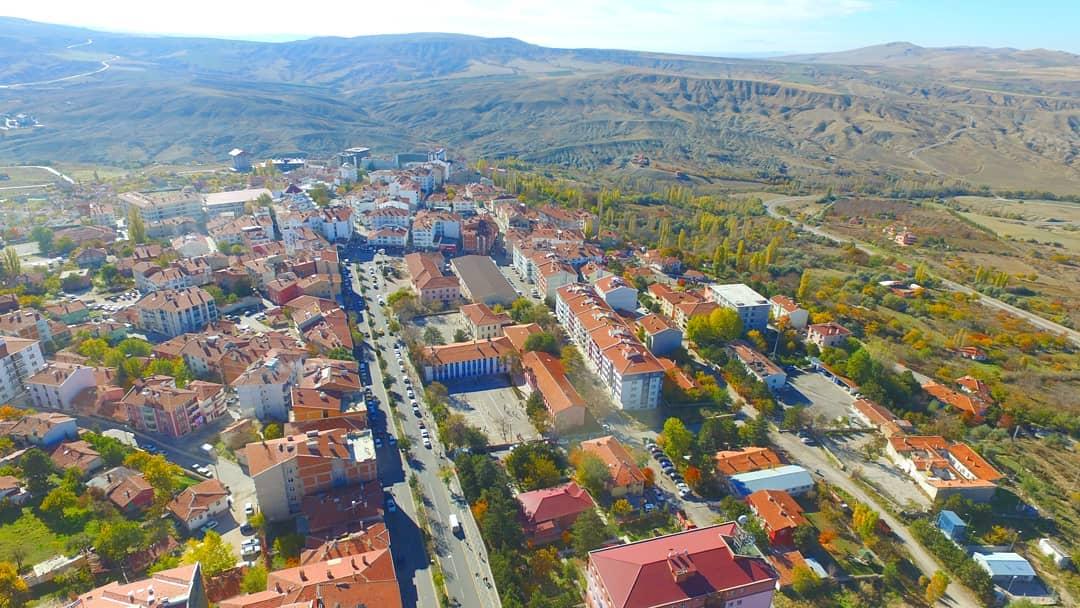
Ankara, Haymana (Haymana Municipality)
The history of Haymana dates back to ancient times. Archaeological research in the region has revealed settlement traces extending as far back as the Hittite period. Subsequently, Haymana came under the rule of numerous civilizations including the Phrygians, Persians, Romans, and Byzantines. Following the Battle of Manzikert, it came under Seljuk control. During the Turkish War of Independence, the district gained significant importance, as some fronts of the Battle of Sakarya were fought on Haymana’s territory. For this reason, the district contains numerous martyrs’ cemeteries and monuments.
There are various legends regarding the origin of the name Haymana. The most well-known attributes it to Hayme Ana, the mother of Osman Gazi, the founder of the Ottoman State. According to this account, Hayme Ana died in the area now occupied by the district center and was buried there. Over time, the name “Hayme Ana” evolved in local usage into “Haymana” due to linguistic changes.
At the same time, the etymological origin of the word “Haymana” is noteworthy. In Kaşgarlı Mahmud’s work titled Divanü Lügati’t-Türk, the term “haymana” is used to mean pasture, grazing land, or greenery. This meaning aligns with the district’s geographical structure and its historical usage.
Historical sources refer to the region by different names.
In the 18th century, during the administrative organization of the Ankara region, this area was known as “Haymanateyn.” Additionally, Ankara’s Sharia Registers from 1588–1590 mention the region as “Büyük Haymana” and “Küçük Haymana.” These references demonstrate that Haymana has long been an important center in terms of settlement and administration.
Geographically, Haymana is a typical Central Anatolian district, notable for its extensive steppe lands and pastures. It experiences a continental climate, with hot and dry summers and cold, snowy winters. This natural environment has shaped agricultural and livestock activities in the district. Cereals such as wheat and barley are widely cultivated, while cattle and sheep farming remain important sources of livelihood for the local population.
According to the latest data from the Haymana Subprovince, the total population of Haymana district as of 2021 was 27,298. Of this, 7,693 reside in the district center, while the remaining 19,605 live in rural neighborhoods (outer villages). These figures indicate that a significant portion of Haymana’s population resides in rural areas and that non-central population constitutes a defining feature of the district’s demographic structure.
Due to limited economic opportunities in Haymana and migration trends toward major cities, especially Ankara, the district’s population is gradually declining. Concurrently, the aging of the population is increasing as younger residents move to urban centers. The district’s demographic structure is quite diverse; alongside a predominant Turkish and Kurdish population, communities of various ethnic backgrounds also coexist in the region.

Ankara, Haymana Map (
The economy of Haymana district is primarily based on agriculture, livestock farming, and thermal tourism.
Haymana’s most notable feature is its thermal springs. The district hosts numerous thermal hotels and spa facilities. The thermal water, with a temperature of approximately 44–45 degrees Celsius, is believed to be beneficial for rheumatism, skin diseases, and musculoskeletal disorders. This characteristic has made Haymana an attractive health tourism destination for both domestic and international tourists. Thermal tourism has contributed to the district’s economic prosperity, created new employment opportunities, and attracted investment.

Ankara, Haymana Thermal Baths (Haymana Municipality)
Haymana’s cultural identity has been shaped by the dense presence of Turkish and Turkmen communities. The local population actively preserves traditional Turkmen culture, which manifests in local music, dance, clothing, and daily life. Additionally, in the villages surrounding Haymana, traditional crafts such as handicrafts and weaving remain widespread. Historical and cultural structures such as the Haymana Thermal Baths make significant contributions to the district’s cultural heritage. Moreover, traces of the Turkish War of Independence are visible throughout the district; battlefields and monuments here provide historical depth.
Haymana’s cuisine reflects the rich flavors of the Central Anatolia Region. Meat dishes are very common in Haymana. Particularly, meat cooked in a tandır and kuymak are representative examples of the regional culinary tradition. In addition, appetizers such as tarator, bulgur pilaf, and kısır are frequently consumed. Baked dough products also hold an important place in Haymana’s cuisine. Delicacies such as bazlama, gözleme, and simit are commonly enjoyed during breakfast and other meals.

History
Geography and Climate
Population and Demographic Structure
Economic Structure and Tourism
Culture and Cuisine