


This article was automatically translated from the original Turkish version.
+2 More
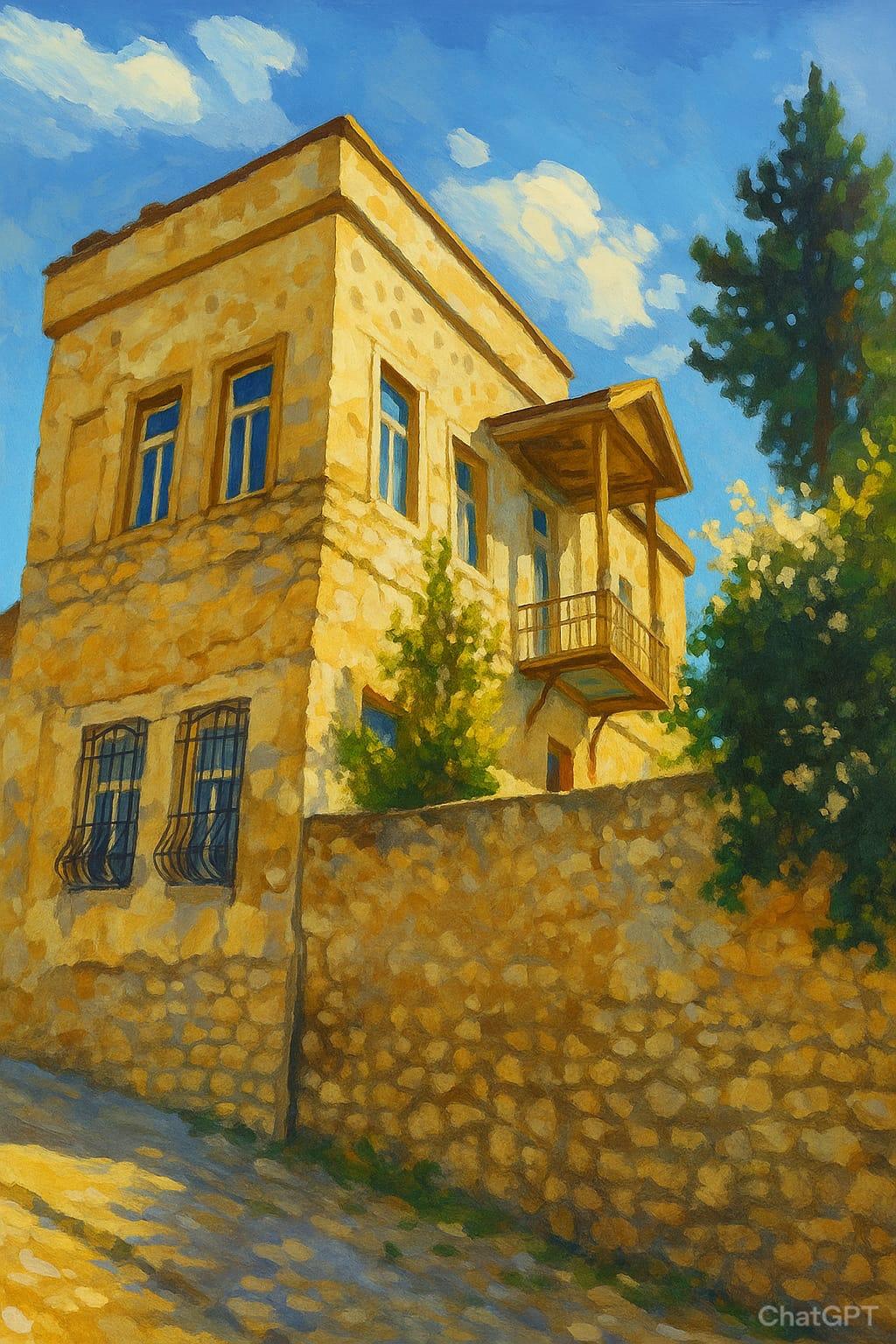
Siirt Cas Evleri (YZ ile oluşturulmuştur)
Case houses, an important part of Siirt’s traditional architectural heritage, are residential types distinguished by their use of local materials and reflective of the city’s cultural identity and geographical conditions. These structures are rendered with cas harcı, a material unique to Siirt province, and are predominantly two or three stories high, featuring thick walls and domed ceilings. Cas harcı is a coarse plaster type produced by firing and grinding gypsum stone found in the region. The traditional floor plan has been shaped according to climatic conditions, topography, and socio-cultural needs. Case houses are still in limited use today and possess cultural heritage value due to their historical and architectural significance.
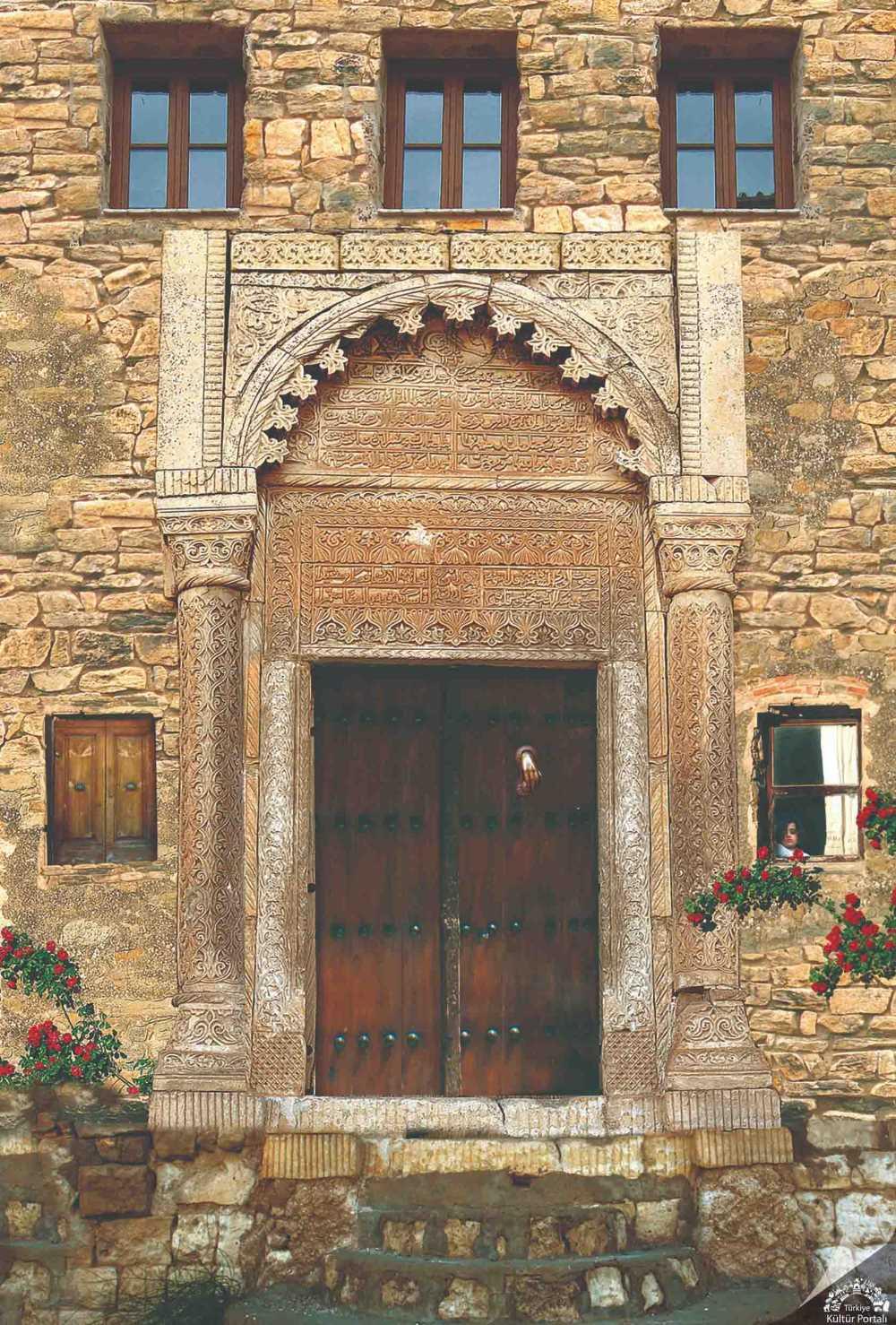
Siirt Case Houses (Culture Portal)
Case houses are most densely concentrated not only in the urban center of Siirt but especially in the district of Tillo (Aydınlar) and its surrounding villages. Relatively well-preserved examples are found in the eastern and northern parts of the city, while such structures become increasingly rare toward the west due to changes in geological composition. The region lies within the Dicle Section of Southeastern Anatolia, situated on plateau areas at elevations of 900–1200 meters above sea level.
The region’s geology facilitates the widespread occurrence of gypsum stone, the raw material for cas harcı. The exact origins of case houses have not been definitively documented; however, their construction technique and form exhibit similarities with certain traditional dwelling types found in the Middle East and North Africa.
The most distinctive feature of case houses is their walls, which are coated with cas harcı. In the production process, gypsum stone is fired in kilns for three days, then crushed into powder using hammers. During construction, it is used as mortar alongside rubble and cut stone. Wall thickness typically ranges between 80–120 cm.
Houses are constructed with wider lower sections and narrower upper sections. Externally, the roof appears flat, while internally it takes the form of a dome. The dome shape was preferred to enhance thermal insulation and structural durability. Although wood is scarce, local trees such as oak are used for doors, windows, and certain ceiling elements. In some houses, wooden logs known as “hatıl” are placed within walls to prevent collapse.
Traditional case houses commonly feature either an inner-sofa (karnıyarık) or central-sofa plan type. The ground floor contains the courtyard, kitchen, storeroom, toilet, and summer rooms, while the upper floor houses living and sleeping areas along with the main hall.
The courtyard is a vital space for both daily life and production activities. It includes functional areas such as a water well, tandır oven, dibek (grinding stone), and mahsara (a room for grape crushing and grape molasses production). The roof consists of two levels: the lower section is used for storage, while the higher section serves as a sitting and resting area during summer months.
The çırtak, a balcony-like structure, is used for hosting guests or daily activities. Some houses contain storage rooms called “tabok,” which function as natural cooling spaces.
Siirt experiences hot, dry summers and cold, rainy winters. The thick walls and small windows of case houses ensure a cool interior during summer and a warm one in winter. Small roof openings are designed to allow daylight into the interiors. To adapt to the sloping terrain, houses are often built on terraces, enabling optimal use of sunlight during the day and nighttime coolness.
Case houses were designed in accordance with traditional family structures. In the past, extended families comprising three generations influenced the number of rooms and their usage patterns. Room arrangements sometimes reflected gender distinctions. Even door knockers were designed according to tradition to differentiate between male and female visitors.
Economic activities such as agriculture and animal husbandry directly shaped the house layout and ancillary spaces. Stables, haylofts, and storage areas are typically located on the ground floor.
Traditional case houses are gradually declining due to the widespread adoption of modern building materials, high maintenance costs, and changing usage needs. In restoration efforts, the replacement of original materials and techniques with cement and modern alternatives can negatively affect the buildings’ authentic character.
In some neighborhoods of Tillo, case houses are still in use but have undergone physical alterations in line with social transformations. Examples of these changes include room additions, internal partitioning, and facade modifications.
Koday, Saliha, Zeki Koday, and Yusuf Kızılkan. 2017. “Siirt İlinde Bir Mesken Kültürü: Cas Evleri.” *Atatürk Üniversitesi Sosyal Bilimler Enstitüsü Dergisi* 21, no. 4: 1369–1385. Accessed August 2025. https://dergipark.org.tr/en/download/article-file/407159
Özyılmaz, Havva, and Servet Şeker İnalcan. 2022. “Tillo Geleneksel Konutlarının Fiziksel ve Fonksiyonel Kullanımının Değerlendirilmesi.” *Kent Akademisi Dergisi*, Dicle Üniversitesi 2. Uluslararası Mimarlık Sempozyumu Özel Sayısı, no. 15: 110–129. https://doi.org/10.35674/kent.1014124.
“Cas Houses – Siirt.” *Cultural Portal*. Siirt Provincial Directorate of Culture and Tourism. Accessed August 2025. https://www.kulturportali.gov.tr/turkiye/siirt/gezilecekyer/cas-evleri-.
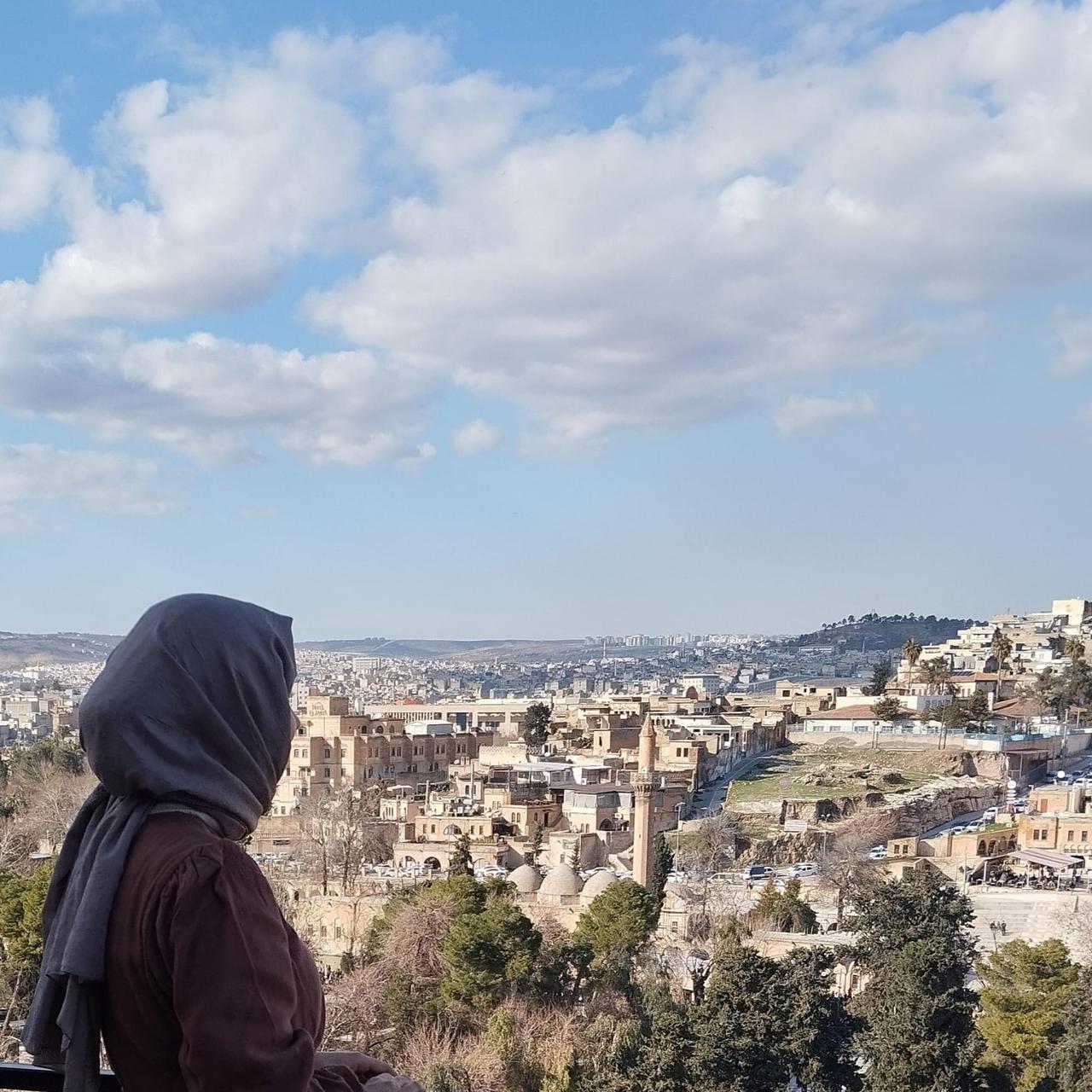
Siirt Cas Evleri (YZ ile oluşturulmuştur)
No Discussion Added Yet
Start discussion for "House of Cas (Siirt)" article
Geographical and Historical Context
Building Materials and Construction Techniques
Layout and Spatial Organization
Climate and Environmental Adaptation
Socio-Cultural Features
Current Status and Changes