


+2 More

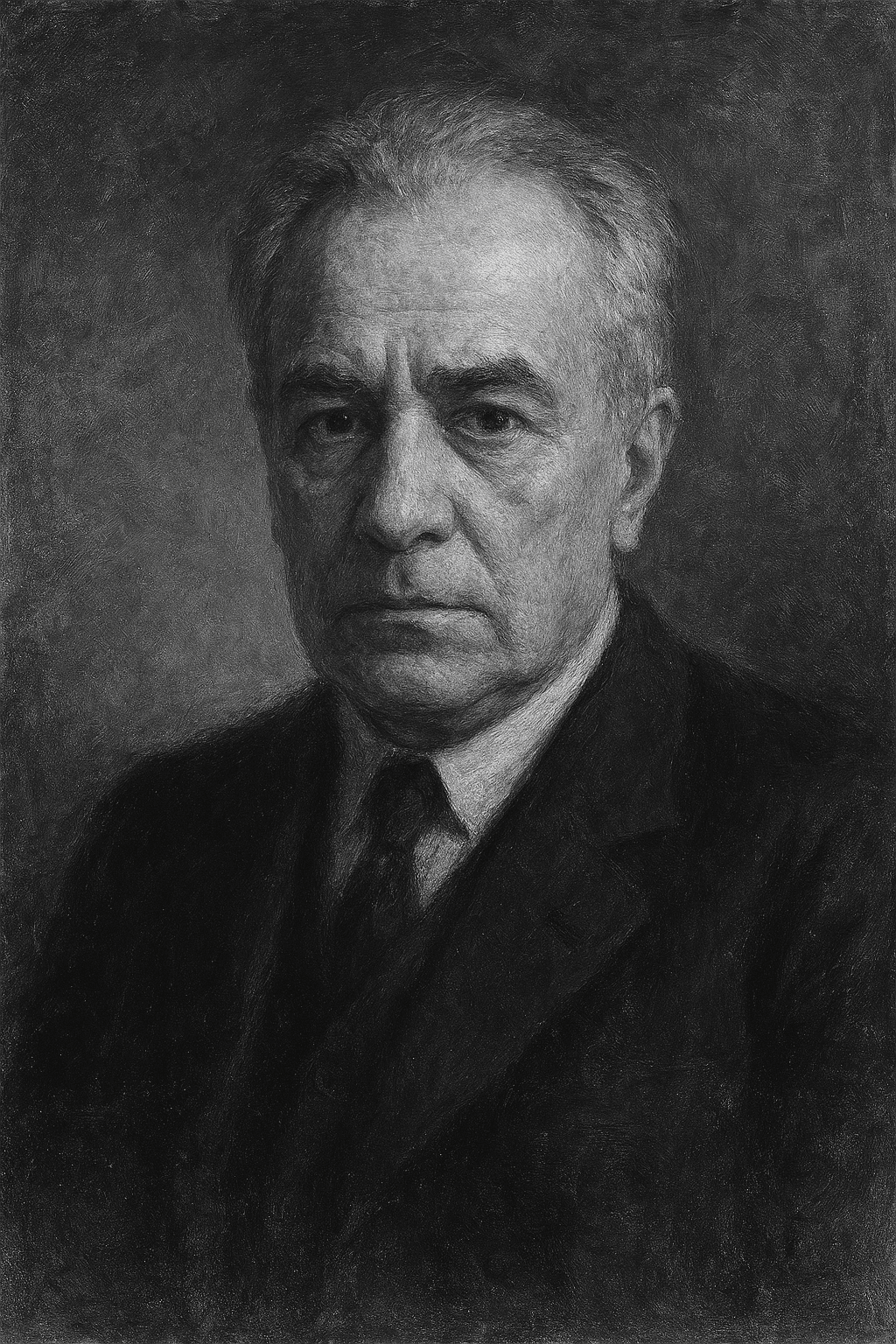
İbrahim Çallı
Doğum tarihi | 1882-07-13 | ||||||||
|---|---|---|---|---|---|---|---|---|---|
Ölüm tarihi | 1960-05-22 | ||||||||
Babası | Hacı Ahmet Ağa | ||||||||
Spouse(s) | Münire Hanım | ||||||||
Child | Sara Belma | ||||||||
Profession(s) | Art Educator Painter | ||||||||
Education | École des Beaux-Arts Sanayi-i Nefise Mektebi | ||||||||
Artistic Approach | Technique based on direct observation Impressionist influence Figurative painting | ||||||||
Areas of Expertise | Historical composition Still Life Landscape Nude Portrait | ||||||||
Institutions Worked at | Sanayi-i Nefise Mektebi | ||||||||
Students | Şeref Akdik Nuri İyem Nurullah Berk Hale Asaf Zeki Kocamemi Bedri Rahmi Eyüboğlu | ||||||||
Place of Burial | Merkezefendi Cemetery/Istanbul | ||||||||
Locations of Their Works | Private collections Central Bank of the Republic of Türkiye Collection Sakıp Sabancı Museum Istanbul Modern Türkiye İş Bankası Collection Ankara Museum of Painting and Sculpture Istanbul Museum of Painting and Sculpture | ||||||||
İbrahim Çallı (1882, Çal – 1960, İstanbul) was an active painter and educator during the transition from the late Ottoman Empire to the Republic of Türkiye. He began his art education at the Sanayi-i Nefise Mektebi and continued it at the École des Beaux-Arts in Paris. Upon his return to Türkiye, he became one of the pioneers of the group known as the “1914 Generation.” Çallı, who worked with figurative expression, impressionist tendencies, and direct observation-based techniques, served as a member of the Academy of Fine Arts during the 1920s and 1930s; his works on history and portraiture contributed significantly to the visual representation culture of his time.
İbrahim Çallı was born on 13 March 1882 in the Çal district of the Ottoman Aydın Vilayet (present-day Denizli Province). His family belonged to one of the region’s prominent and established households. His father, Mehmet Efendi, was a respected figure in Çal. İbrahim Çallı lost both his mother and father at the age of 12 and lived with an older sister and brother-in-law, continuing his education under these circumstances.

Ibrahim Calli Art House (Cultural Inventory)
Çallı completed his primary and secondary education in his hometown before enrolling at the İzmir Mülki İdadisi (a secondary-level institution). His student years in İzmir were crucial for both his education and artistic development. During this period, his interest in painting became evident; he particularly attracted attention with his drawings of heroic figures on walls, especially those of Zeybek and Ayvaz characters. These figurative expressions constitute his earliest works that laid the foundation for his later impressionist style.
His family decided to send the young İbrahim to Istanbul with the hope that he would become a man of substance. His sister arranged for him a leather belt and placed 95 gold coins inside it to support his journey to Istanbul. This belt left a deep impression on the artist’s memory and later became a frequently recounted anecdote.
Upon arriving in Istanbul, Çallı intended to enroll in a military school but learned that the registration period had passed and that he had lost all his money. To survive, he worked as a newspaper vendor, petition writer, and clerk at the execution office. During his time as a petition writer in front of Yeni Cami, he drew attention with his drawing skills and gained opportunities to meet people from different circles.
Despite these hardships, his interest in painting never waned. His first painting lessons in Istanbul were taken privately from Roben (or Ropen) Efendi, an Armenian painter, alongside students from the Handa İdadisi where he resided.
Çallı paid Roben Efendi 50 kuruş weekly for lessons and began learning fundamental drawing techniques. His artistic talent quickly attracted attention, particularly for the illustrative works he prepared for newspapers, which became among his earliest published pieces.
His interest and talent in painting were noticed by İzzet Bey, son of the prominent painter of the era, Şeker Ahmet Paşa. This introduction enabled Çallı to meet Şeker Ahmet Paşa, who advised him to pursue formal art education. On Paşa’s recommendation, İbrahim Çallı was admitted to the Sanayi-i Nefise Mektebi (today’s Mimar Sinan Fine Arts University) in 1906.

A square in front of the Sanay-i Nefise Akademisi. (Islamic Encyclopedia)
Admission to Sanayi-i Nefise marked a turning point for the artist. The school’s director at the time was Osman Hamdi Bey. Çallı received instruction from prominent artists of the era such as Salvator Valeri, Warnia Zarzecki, and Ömer Adil. Due to his high performance and productivity, he completed his education in only three years, shorter than the standard duration. The works he submitted for his graduation project were met with great acclaim from his teachers.
After graduating in 1909, İbrahim Çallı participated in the 1910 European competition organized by the Ministry of Education with his works “Nude Man” and “Maksut Çavuş from the Guard Battalion of the Expeditionary Army”【1】 and won first place, earning a state scholarship to study in Paris. In Paris, he was accepted into Fernand Cormon’s atelier at the École des Beaux-Arts. Although Cormon was a painter committed to historical and classical themes, Çallı and his peers in this atelier turned toward impressionism and developed a new expressive language beyond classical rules.

【2】
During his four years in Paris, Çallı not only acquired academic skills but also directly engaged with various currents of Western art. At the time, impressionism, post-impressionism, and symbolism were still influential, while newer movements such as fauvism, cubism, and futurism were beginning to emerge. Çallı did not limit himself to academic instruction; he visited museums, exhibitions, and studios to deepen his artistic perspective.
In 1914, with the outbreak of the First World War, Çallı completed his studies and returned to Türkiye. His return was not only a personal milestone but also a significant turning point in Turkish art history. He returned alongside fellow artists such as Mehmet Ruhi Arel and Hikmet Onat, with whom he had studied in Paris; this group became known as the “1914 Generation” or the “Çallı Generation.”
İbrahim Çallı began teaching at the Sanayi-i Nefise Mektebi, where he mentored future prominent artists such as Bedri Rahmi Eyüboğlu, Zeki Kocamemi, and Nurullah Berk, playing a vital role in the institutionalization and modernization of painting in Türkiye.
Despite economic hardships after arriving in Istanbul, İbrahim Çallı did not abandon his painting education. He began systematic work after taking private lessons from the prominent Armenian painter Roben Efendi. His artistic talent caught the attention of İzzet Bey, son of Şeker Ahmet Paşa. This connection would play a transformative role in his life, facilitating his meeting with Şeker Ahmet Paşa. With Paşa’s support, Çallı was admitted to the painting department of the Sanayi-i Nefise Mektebi in 1906, becoming one of the first Turkish artists to receive academic-level art education in the Ottoman Empire.
At the time of Çallı’s admission to Sanayi-i Nefise Mektebi, the school’s director was Osman Hamdi Bey, one of the founding figures of Turkish art. The teaching staff consisted largely of artists of European origin or those trained in Europe. İbrahim Çallı received instruction from academic painters such as Salvator Valeri, Warnia Zarzecki, and Ömer Adil. These artists aimed to rigorously train students in fundamental disciplines such as figure drawing, perspective, and composition.

Osman Hamdi Bey. (Encyclopedia of Islam)
Çallı stood out due to his age—he was older than most of his fellow students—and because he had already entered life as a working individual before turning to art with conscious determination. His discipline and productivity quickly brought him to the forefront; during his student years, he became known among peers as “Çallı İbrahim.” This form of address would eventually become an inseparable part of his identity.
İbrahim Çallı completed his education at Sanayi-i Nefise in only three years, faster than the standard duration, graduating with honors in 1909. Shortly after graduation, in 1910, he participated in the European competition organized by the Ministry of Education with his works “Nude Man” and “Maksut Çavuş from the Guard Battalion of the Expeditionary Army.” He was selected first, earning him the right to study painting in Paris on a state scholarship.
However, even by this time, Çallı’s academic proficiency was not only the result of personal skill but also fueled by his interest in the cultural and political transformations of the era. The atmosphere following the Second Constitutional Monarchy encouraged more courageous and modern production at Sanayi-i Nefise Mektebi; Çallı found opportunities to develop his art and intellectual outlook within this climate.
Even before leaving for Paris, İbrahim Çallı had begun engaging with the art scene around Sanayi-i Nefise and was in contact with structures such as the Galatasaray Exhibitions and the Ottoman Painters Society. His participation in these activities before his departure abroad demonstrates that he had established connections within the art community early on and was regarded not merely as a student but as an emerging artist.

Ottoman Painters Society Newspaper. (TBMM Library)
The education he received at Sanayi-i Nefise equipped him not only in figurative painting but also in landscape, still life, and historical compositions. In this way, he developed as an artist thoroughly grounded in classical academic discipline before his Paris experience, which enabled him to build upon this foundation with contemporary Western artistic trends.
The education at Sanayi-i Nefise must be regarded as both the starting point and the foundational basis of İbrahim Çallı’s artistic life. The technical competence, disciplined working habits, and classical form knowledge he gained there prepared the ground for the synthesis he later established between impressionist tendencies and academic tradition. At the same time, these years were crucial in shaping the qualities of perseverance, dedication, and artistic sensitivity that became central to Çallı’s character.
İbrahim Çallı’s education at Sanayi-i Nefise Mektebi not only provided him with technical grounding but also introduced him to the Ottoman intellectual elite’s orientation toward the West. A concrete step in this orientation was his trip to Paris in 1910 after winning the European competition organized by the Ministry of Education. The Ottoman State aimed to train artists proficient in Western methods and later appoint them as instructors. Çallı was among the artists sent for this purpose and received art education in Paris for four years.
Çallı was accepted into the atelier of Fernand Cormon, one of the most important classical painters of the time at the École des Beaux-Arts in Paris. Cormon was a painter known for dramatic compositions based on prehistoric and classical themes and applied strict figure training. His disciplined structure and traditional methods provided students with a solid technical foundation in form, anatomy, perspective, and composition.

İbrahim Çallı did not merely acquire technical knowledge in this atelier; he also gained the opportunity to develop his individual artistic understanding within the structure of the French art environment. By attaining the status of “élève définitif” (permanent student), he gained not only access to classes but also the right to make copies in museums such as the Louvre and Luxembourg and to work freely in open-air ateliers.
During Çallı’s years in Paris, European art was a complex interplay of academic traditions and new movements emerging in opposition to them. Impressionism was still prevailing, with the influences of masters like Monet, Degas, and Renoir continuing to be felt. However, movements following impressionism—post-impressionism (Cézanne, Gauguin, Van Gogh), fauvism (Matisse), and cubism (Picasso, Braque)—were beginning to explore new modes of expression. İbrahim Çallı directly witnessed this dynamic process. Although trained in a traditional atelier like Cormon’s, the Parisian art climate enabled him to develop a more open and experimental style.

Watercolor on paper by Fernand Cormon. (Davison Art Collection)
Museums, salon exhibitions, contemporary shows, and artist circles broadened his intellectual and aesthetic perspective. Thus, a painter profile emerged whose view of painting was no longer limited to technical accuracy but was also open to emotional elements such as light, color, and texture.
The defining influence of Çallı’s Paris years on his artistic outlook is particularly evident in his relationship with impressionist painting. His academic discipline in figure and composition merged with impressionist color sensitivity and direct observation of nature. His compositions, rendered with observational yet free brushwork, became characteristic features of his later art.
Especially in his use of color, Çallı showed affinity with impressionist aesthetics, moving toward compositions filled with light tones, subtle transitions, and light effects. During this period, he worked not only in portraiture but also in landscape, still life, and figurative compositions. Gradually, the artist began constructing his own individual expression, developing a unique style that harmonized classical figurative composition with impressionist impression.
In 1914, with the outbreak of the First World War, Çallı completed his studies in Paris and, along with other Turkish painters, was compelled to return home. This return marked not only an individual career shift but also the beginning of a new artistic generation. The group formed with fellow artists who had received similar training in Paris would be known in Türkiye as the “1914 Generation” or the “Çallı Generation.” The most distinctive feature of this generation was the effort to integrate Western techniques with individual interpretations and to introduce a more liberal expressive approach to the Turkish art scene.
İbrahim Çallı returned to Türkiye in 1914 before completing his Paris education due to the First World War and was appointed as an instructor at the Sanayi-i Nefise Mektebi the same year. This return coincided with the formation of a group of several artists who had studied in Europe and would later be known as the “1914 Generation.” Çallı was among the artists in this group.

Ibrahim Çallı (Source: Biyografiler.com)

Hikmet Onat (Source: Biyografiler.com)

Feyheman Duran (Source: Biyografiler.com)

Ruhi Arel (Source: Biyografiler.com)

Sami Yetik (Source: Biyografiler.com)
The artists known as the 1914 Generation (İbrahim Çallı, Hikmet Onat, Ruhi Arel, Sami Yetik, Feyhaman Duran, among others) had either completed or interrupted their education in Paris and, upon returning home, were recognized as artists exhibiting similar tendencies in the Turkish art scene.
Their orientation aimed to combine the academic education received at Sanayi-i Nefise Mektebi with the techniques and working methods acquired in Paris. In their works, emphasis was placed on the relationship between figure, nature, and space; they employed techniques and compositional approaches distinct from traditional modes of expression.
İbrahim Çallı began his teaching duties at Sanayi-i Nefise Mektebi in 1914 and continued until his retirement in 1947. He initially served as an assistant to Salvator Valeri and later assumed responsibility for the painting department. During this period, he conducted curricular work emphasizing drawing, composition, and figure studies and is documented as encouraging students to produce works based on open-air observation.

Salvator Valeri (Source: Biographies).com)
Çallı’s educational activities at Sanayi-i Nefise marked a shift away from the classical teaching approach toward direct observation-based work. This approach is regarded as influenced by impressionist practices prevalent in Europe.
Among the artists Çallı taught during his tenure at Sanayi-i Nefise are several who became prominent in Turkish painting history: Bedri Rahmi Eyüboğlu, Zeki Kocamemi, Şeref Akdik, Nuri İyem, Nurullah Berk, Hale Asaf, Cevat Dereli and Cemal Tollu. These students’ association with Çallı is frequently mentioned in historical sources. However, there are differing assessments regarding the extent to which their artistic orientations and technical preferences were influenced by Çallı’s teaching methods.
In 1917, during the First World War, İbrahim Çallı and some of his contemporaries produced war-themed paintings under the initiative known as the Şişli Atelier. This atelier was established at the request of the Ottoman Ministry of War and produced compositions based on impressions from various fronts. Among Çallı’s works produced in this atelier are figurative compositions such as “Taking Position,” “Wounded,” and “Night Raid.” These works are large-scale paintings with representational qualities and are positioned within the visual documentation practices of the era.
When Sanayi-i Nefise Mektebi was restructured as the Academy of Fine Arts in 1927, İbrahim Çallı continued his teaching position within the institution. During this period, he participated in various exhibitions and regularly attended institutional events. Archival documents confirm that he fulfilled a long-term function within the institution, both as an artist and as an educator, until his retirement in 1947.
In İbrahim Çallı’s art, figurative compositions stand out particularly in works addressing war, daily life, and folkloric scenes. In these works, he favored an approach that focused on the overall scene rather than the inner world of individual figures. Compositions are typically multi-figured and narrative-driven.
War and Military-Themed Compositions
The figurative compositions produced under the Şişli Atelier in 1917 constitute Çallı’s first major-scale and representational works in this genre. This atelier was a group of artists commissioned by the Ottoman Ministry of War to visually document the war. Notable works by Çallı in this context include:

Oil on canvas work titled Wounded.
【3】

Oil on canvas work titled Night Raid.
【5】

Oil on canvas work titled Woman Sitting in the Garden.
【6】
Folkloric Themes
Folkloric narratives appear particularly in representative paintings from the Republican period. The Zeybek figure is especially notable in this context.

【7】
In İbrahim Çallı’s artistic practice, the nude theme holds significant importance both as an indispensable part of academic figure training and as a visual language for exploring individual expression during the Republican period. Çallı’s nude paintings are notable for the visual synthesis he established between classical form knowledge and impressionist expression. These works, beginning with his academic education in Paris, continued in various forms throughout the Republican art environment.
Academic Education and Figure Training
Nude painting was a fundamental educational discipline in European art academies at the end of the 19th century and the beginning of the 20th century. İbrahim Çallı participated in this tradition during his studies at the École des Beaux-Arts in Paris between 1910 and 1914 in Fernand Cormon’s atelier. Academic nude drawing exercises aimed to address fundamental visual problems such as bone structure, mass, proportion, pose, and balance.
The numerous nude figure drawings in Çallı’s sketchbooks serve as direct evidence of his anatomical mastery during this period. In these drawings, figures are mostly depicted in classical poses, standing or seated. The structure of volume, form, and light-shadow relationships are established not through linear contours but through patches and tonal gradations.
Transformed Form: From Academy to Impressionism
After returning to Istanbul, İbrahim Çallı’s nude figures retained their earlier academic line but began to differ formally under impressionist influences. In this phase, the nude figure became not merely an anatomical study but also a subject of light and color. The background is often blurred, space is not resolved; the figure appears placed on a flat surface.
Notable Examples:

Oil on plywood work titled Seated Nude.
【8】

Oil on canvas work titled Reclining Nude Agati.
【9】

【10】
Spacelessness and Abstraction of the Model
In many of Çallı’s nude compositions, figures are not placed within a defined interior space. This choice leads to the anonymization of the model and its evaluation solely as a formal element. For example:

【11】
Similar approaches are seen in double-sided panels. The background is often kept simple or suggested through impressionistic lines between presence and absence. This approach, while based on impressionist influence, opens the door to the figure’s emotional, individual, or symbolic interpretation.
Light and Color Structure
In Çallı’s nude paintings, color is used not only to define form but also to indicate the degree to which a surface receives light. Shadows are not black but rendered in violet, green, or blue, paralleling the impressionist principle of rejecting black.
Brushstrokes are prominent, short, and layered. Paint is sometimes applied directly from the palette, giving the impression of immediacy. Contour lines are almost absent; form is defined not by a defined boundary but by color transitions.
Nude Theme in the Republican Period
In the 1920s and 1930s, nude painting began to gain cultural legitimacy under the Republic of Türkiye’s modernization drive. However, the nude figure was still perceived as controversial in certain social circles and occasionally faced criticism. Consequently, İbrahim Çallı’s nude paintings were mostly held in private collections and appeared less frequently in public exhibitions.
Evaluation and Limitations
İbrahim Çallı’s nude paintings are positioned between the classical figurative understanding of the Western academic system and impressionist surface analyses. In these works, the figure is treated more as a formal and technical issue than as an individual psychological exploration. Nudity is portrayed as an aesthetic abstraction, largely avoiding social, sexual, or allegorical references.
In İbrahim Çallı’s artistic practice, portraiture is a category that consistently appears both as part of his professional identity and as a visual expression of individual representation. His portraits can be evaluated not merely as documentation of specific social and political figures but as works investigating the characteristic features and spatial relationships of the subject. His long tenure as an instructor at Sanayi-i Nefise and his wide recognition in social circles led to a diversification of portrait commissions.
Individual Representation and Placement of the Model
In Çallı’s portraits, the figure is generally centrally positioned, either frontal or in a three-quarter profile. There is a clear distinction between the figure and the background. Backgrounds are either rendered in single colors or simply defined with architectural or interior elements.

Portrait of Hasene Cimcoz.
【12】

Portrait of Âliye Moralı.
【13】
Political and Cultural Figures
Çallı’s portrait practice also includes political and intellectual figures. Especially during the Republican period, he painted portraits of various state and cultural personalities, including Mustafa Kemal Atatürk and İsmet İnönü.

Portrait of Mustafa Kemal Atatürk.
【14】

Portrait of İsmet İnönü
【15】

Portrait of Yahya Kemal Beyatlı
【16】
Family and Close Circle Portraits
Portraits of the artist’s family and close circle, though rarely exhibited publicly, are found in archival collections and private holdings.

Portrait of his daughter Belma Çallı.
【17】
Technical and Formal Characteristics
The following tendencies are observed in İbrahim Çallı’s portraits:
Çallı’s portraits are based on the physical representation of the individual and do not focus on psychological introspection. Most figures are defined by neutral expressions, direct gazes, and upright poses. Formally, these portraits combine classical portrait conventions with impressionist paint application. Surface analysis, particularly in clothing and backgrounds, relies on loose brushwork with visible strokes, while the face is rendered with more controlled painting.
Although not as extensive as his figurative and portrait works, İbrahim Çallı’s still life production became prominent from the 1920s and 1930s onward. Tabletop compositions were limited to floral arrangements and everyday objects, remaining within the traditional concept of nature morte but approached with an impressionist sensibility.
Composition with Mallow Flowers
The mallow flower is a recurring visual motif in İbrahim Çallı’s still lifes. This theme has been examined in terms of both the artist’s technical approach and his preferred color palette. Academic sources identify at least 14 works with mallow themes, some of which were exhibited or sold.

【18】

Oil on plywood work titled Pink Mallows.
Academic studies emphasize that the mallow theme became identified with Çallı’s signature and that these compositions carry significant artistic value.【19】 Some works achieved commercial success and entered private collections.
Other Still Life Subjects
In Çallı’s still lifes, besides flowers, fruits, vases, and tabletop arrangements appear. No symbolic or allegorical meaning is suggested in these compositions; the emphasis is on visual balance.

Oil on plywood work titled Flowers in a Vase.
【20】
Formal Characteristics
In Çallı’s still lifes, composition is based on color and light balance rather than symmetry. Objects are generally placed at the center of the canvas or slightly shifted toward the right or left axis. The table surface is often rendered with a distinct incline, and perspective depth is not suggested. This approach can be explained by impressionist techniques.
In color usage, especially in flower petals, light pink, yellow, and white tones dominate. Vases and table surfaces are painted to create a surface effect rather than a volumetric one. Shadow and reflection details are expressed through patches derived from direct observation.
Surface and Material
Çallı used not only canvas but also surfaces such as plywood, cardboard, and jute in his still lifes. This variety of surfaces is directly related to the resistance offered by the material to paint application. In particular, works on plywood leave drier and more distinct brushstrokes. This technical difference allows comparison among works with the same subject.
İbrahim Çallı’s still lifes are not rooted in the classical Western tradition of still life but are works built on visual relationships under impressionist influence. While subject choices are traditional, formal applications carry impressionist characteristics. These works, closed to allegorical or symbolic interpretations, can primarily be analyzed based on the relationship between form, space, and light.
İbrahim Çallı’s landscape paintings can be evaluated within the context of the spread of plein air painting in Türkiye from the 1910s onward. His interest in outdoor work was shaped by the influence of the impressionist circles he encountered in Paris; the coastlines, gardens, villas, and natural views of Istanbul and its surroundings became the main subjects of his paintings.
Observation-Based Representation of Nature
In Çallı’s landscapes, space is directly observed and rendered; compositions generally focus on a limited visual field rather than a broad perspective. This approach parallels impressionist methods: fleeting changes in natural light, atmospheric conditions, and color effects at specific times of day become central elements of the painting.

Oil on plywood work titled Dolmabahçe.
【21】

View of Ankara Castle with Cows on the Hill.
【22】
Space and Motif Selection
Çallı’s landscapes, particularly focused on Istanbul’s Bosphorus neighborhoods and the Princes’ Islands, offer examples of the relationship between human presence and nature. These spaces are mostly rendered as either figureless or with free figures.

Oil on canvas work titled Walk on the Island.
In these landscapes, nature is not romanticized but faithfully rendered as observed.【23】 Çallı’s impressionist approach prioritizes observational accuracy over subjective intervention.
In İbrahim Çallı’s landscapes, color is used as a means to capture the fleeting changes of nature. Texture of trees, grass, and water surfaces are rendered in different tones under direct light. For this purpose:
Brushstrokes are short and directional, reflecting the fragile texture of natural surfaces. Particularly in foliage, pointillist brushstrokes are preferred. Instead of linear perspective, color perspective is applied; distant objects are pushed back with cool tones while near surfaces are brought forward with warm colors.
In some of Çallı’s landscapes, human figures are placed within nature; however, the central focus of the narrative is not the figure but the environmental context. In such works, the figure is positioned as an extension of nature, with individual identity rendered insignificant. Examples include:

Oil on canvas work titled Two Women on the Shore.
Çallı’s landscapes are freer than his figurative compositions.【24】 Nature is not addressed for symbolic or ideological purposes but to reflect visual observation, atmospheric feeling, and light effects. In this respect, his landscape paintings can be considered among the first manifestations of impressionist practice in Türkiye. However, this approach avoids idealizing nature and maintains an observational stance.
In İbrahim Çallı’s artistic practice, paintings based on historical and social themes became prominent after the First World War and in the early years of the Republic. These works were mostly produced upon commission or for institutional representation, relying on narrative content and figurative compositions. In such works, individual expression receded into the background, and the representational nature of the event or figure was emphasized.
The paintings produced under the Şişli Atelier alongside the artists of the 1914 Generation constitute Çallı’s first large-scale works addressing historical events. Commissioned by the Ottoman Ministry of War, these works transformed battlefield scenes into documentary representations.

【25】
The paintings from this period served to support the official historical narrative and were sent abroad to enhance the international visibility of Ottoman artists.
With the proclamation of the Republic, artists were directed to produce visual representations of modernization ideology; Çallı also produced representative works in this direction.

Oil on canvas work titled General Trikopis Surrendering His Sword to Atatürk.
【26】

Oil on canvas work titled Hatay’s Longing for the Homeland.
These works contain no direct propaganda; however, in representing historical events, the primary aim is visual documentation rather than dramatic expression.【27】
In representations of social identity, local clothing, posture, and gestures became decisive elements in works depicting rural figures.

Oil on canvas work titled Cavalrymen.
In these paintings, figure typology is not idealized; patchy surface definitions are preferred.【28】 Visual description outweighs ideological transmission.
Historical and social-themed compositions are generally structured horizontally and feature multi-figured arrangements. The placement of figures follows staging logic rather than classical perspective rules.
The color scheme is mostly natural and muted. Gray, earth, and brown tones are frequently used. These tones provide a consistent background for both war and rural life subjects.
Figures are mostly frontal or in three-quarter profile. Space is defined only as necessary; the background is typically a simple plane supporting the readability of the subject.
İbrahim Çallı’s historical and social-themed works should be evaluated as a result of the visual documentation needs aligned with the political and cultural agenda of the era rather than individual expression. In these works, representational function outweighs aesthetic experimentation. The artist’s figurative understanding is distant from dramatic style; his narrative is simplified and supported by direct observation.
These works were held in institutional collections and used for representation in domestic and international exhibitions.
İbrahim Çallı’s compositional approach carries the influence of both the foundational academic training he received and the impressionist tendencies he encountered in Paris. The construction of composition in his works across different genres varies according to the nature and function of the subject.
Preference for Horizontal and Triangular Composition
Çallı frequently employs horizontal arrangements in his figurative compositions, particularly evident in multi-figured war and social-themed paintings:

Oil on canvas work titled Harvest.
In still life and portrait genres, a more static and asymmetrical triangular composition is preferred.【29】 For example:
Central Focus and Figure Placement
İbrahim Çallı generally places the figure centrally in portraits and nude paintings. This preference is especially evident in single-figure compositions:
In multi-figured scenes, figures are not arranged within a hierarchical order but according to narrative logic. No clear “order of importance” is established; instead, figures are distributed according to their roles in the narrative. This is particularly noticeable in compositions such as Conversation on the Island, Women on the Island, and Comradeship in Arms.
Balance of Symmetry and Asymmetry
Classical symmetry is not dominant in Çallı’s compositional approach. Instead, balanced but asymmetrical arrangements are preferred in most works, especially in still lifes and landscapes:

Oil on canvas work titled Women on the Bostancı Shore.
This approach aims to direct the viewer’s gaze not only to the center but across the entire painting.【30】Asymmetry, especially among artists seeking to create an impressionist effect, is a common preference.
Interior and Exterior Space Construction
In Çallı’s interior compositions, staging is more evident. Defining elements such as furniture, curtains, carpet, and windows determine the spatial context of the figure. This building is particularly observed in portraits and some nude compositions.
In exterior spaces, composition is built upon the horizontal structure offered by nature. Trees, shrubs, flowers, or the shoreline become elements defining the composition’s boundaries. This structure is carefully rendered in landscapes such as Among the Pines on the Island, View of Ankara Castle with Cows, and Haliç.
İbrahim Çallı’s compositional structure occupies a position between classical tradition and impressionist freedom, adapting to transitions between genres. Figure, color, space, and movement balance are carefully organized; visual balance is prioritized over symmetrical order. Composition serves as a foundational structure that supports narrative or atmosphere without overshadowing them.
İbrahim Çallı’s use of color and light in his paintings is shaped by both the structural logic of his academic education and the impressionist influences he observed in Paris. Across his wide production—from figurative compositions to landscapes, portraits to still lifes—the relationship between color and light is not merely a means of defining form but also a foundational element of visual atmosphere.
Academic Tonalism and Light Source
The classical academic education Çallı received at Sanayi-i Nefise and in Paris instilled in him a tonal understanding of light. Particularly in portraits and nude paintings, a unidirectional light source is common. This light typically comes from the upper-left or upper-right corner and functions as a modeling tool to define the figure’s volume.
Impressionist Color Understanding
One of the most significant developments in Çallı’s paintings after his return from Paris was his use of color based on direct observation alongside light. Colors are no longer treated as the inherent tone of an object but as patches that change due to the reflection and refraction of ambient light.
Especially in floral still lifes (e.g., Mallows, Purple Bouquets, Tulips and Hyacinths), color saturation and brightness are heightened to create an impression of direct light.
Color Palette and Tone Transitions
Although Çallı’s color palette varies according to subject, some general tendencies are observable:
Tone transitions are mostly soft. Although brushstrokes are prominent, overlapping color patches create vibrating surfaces in transitional areas.
Light and Surface Relationship
Light, in Çallı’s paintings, not only defines the volume of the figure but also reveals the texture of the surface. For example:
Light sometimes becomes the primary visual tool defining spatial orientation. Especially in landscape works, distinctions between morning, noon, and evening light are conveyed through the color palette. Examples include Morning at the Trench, From Dolmabahçe Palace, and Büyükada.
İbrahim Çallı’s understanding of color and light carries a transitional character between classical structure and impressionist observation. In his works, light transcends mere volume definition to become the defining element of visual atmosphere. Color functions not as the inherent value of a figure or object but as a contextual patch shaped by light.
In this respect, Çallı’s color-light relationship is regarded as one of the earliest applications of impressionist tendencies in Turkish painting.
İbrahim Çallı’s use of brush and choice of material vary according to both the technical possibilities of the era and his impressionist inclinations. The artist’s intervention on the surface is directly related to the figurative intensity, definition of color areas, and subject of the painting.
Nature of Brushstrokes
Çallı’s brush technique is based on direct observation and leaving visible traces on the surface. Rather than the layered, hidden brushwork of classical academic style, he preferred loose strokes and color patches on the surface.
Brush Size and Layering
Çallı generally worked with medium and large brushes, especially aiming for effective results in a single layer on broad background areas. Fine detail emphasis is limited to restricted areas such as the face, hands, or flower buds.
Paint is generally applied directly onto the canvas without underpainting. A surface structure prevails where layers are placed side by side rather than stacked. This is particularly evident in light and shadow transitions.
Material and Surface Preferences
İbrahim Çallı used a variety of surfaces:
Surface choice is related to the size, content, and purpose of the work. Large-scale representative works for institutional collections were executed on canvas, while smaller works intended for exhibitions or private collections used more practical materials.
Visibility of Surface Texture
The method of paint application allowed the surface texture to remain visible. Particularly in works with thickly applied paint, brushstrokes are not concealed but emphasized. This technical approach indicates that the painting surface was regarded not only as a visual but also as a tactile field.
İbrahim Çallı’s brush technique balances direct observation with active paint movement on the surface. Classical formal definition and impressionist surface analysis are pursued together; this approach gives his paintings the impression of being “open” rather than “completed.” Material choices were shaped by functionality and practicality in relation to content and context.
İbrahim Çallı’s organization of space in his paintings presents a structure combining limited applications of academic perspective rules with impressionist approaches based on direct observation. His understanding of space varies according to the needs of the narrative; in some compositions, space functions merely as a background, while in others, its physical boundaries are clearly defined.
Application of Linear Perspective
Influenced by his classical training at Sanayi-i Nefise and in Paris, Çallı applied the fundamental rules of linear perspective in architectural interior spaces. However, such arrangements are mostly limited to portraits and figurative interior compositions.
However, in multi-figured scenes, strict adherence to academic perspective rules cannot be claimed. Particularly in the way figures sit on the ground or the scale of background elements, the approach is freer and based more on direct observation than academic norms.
Atmospheric Perspective and Color Depth
In landscapes and open-air compositions, spatial depth is achieved through color usage and tonal transitions. This approach is known as atmospheric perspective. In particular, the use of cool tones and low contrast in distant planes creates a sense of spatial recession.
In this method, spatial distinction is achieved not through linear perspective but through atmospheric conditions such as light, mist, and color dissolution.
Definition and Limitation of Interior Space
In Çallı’s interior compositions, space is generally simplified. Rather than a defined depth through perspective rules, defining elements such as wall, curtains, tables, and chair are used to indicate the figure’s position.
Relationship Between Space and Figure
In Çallı’s paintings, space is not conceived as a physical structure surrounding the figure but as a plane that ensures the composition’s unity. In some works, the area around the figure is undefined:
This approach emerges particularly in periods marked by strong impressionist influences. The figure or object is defined not in relation to its surroundings but within its own volume and light.
Compositional Space and Narrative
In large-scale historical compositions (e.g., Trikopis’s Surrender, Comradeship in Arms, Zeybekler), space rarely presents a specific topographical reality. Background elements are abstract or schematic. This emphasizes not the location of the event but the representational positions of the figures. Thus, space becomes the stage of the narrative.
İbrahim Çallı’s understanding of space is fundamentally figure-centered. Perspective rules are applied only when necessary; in particular, color transitions are prioritized in creating atmospheric depth. Space is not merely a physical area but a plane organizing the placement of the figure. In this sense, the construction of space varies according to the function of the subject.
İbrahim Çallı’s period before his trip to Paris (approximately 1906–1910) represents a process shaped by classical educational discipline and forms the foundation of his artistic identity. This period was shaped by his education at Sanayi-i Nefise Mektebi under teachers such as Salvator Valeri and Osman Hamdi Bey.
Academic Education at Sanayi-i Nefise
The educational program at Sanayi-i Nefise Mektebi was based primarily on classical figure and composition approaches adopted in European academies, providing art candidates with training in drawing, anatomy, perspective, and composition in classical mythological or historical subjects. In this context, İbrahim Çallı’s artistic understanding developed within this structure.
Çallı’s drawings and figure studies during his student years were based on the pursuit of accuracy, proportion, and volumetric depth. Figures were constructed within interior spaces and adopted classical poses. Especially male model studies formed the core of this period.
Early Period Themes
Identifiable compositions from the pre-Paris period are centered on subjects such as “historical figure,” “classical nude,” and “scenes from daily life,” which were part of academic training. The two works he submitted to the 1910 European competition organized by the Ministry of Education reflect the character of this period:
These works focus not on representation but on formal competence, linear definition, and volumetric accuracy.
Material and Technical Features
During this period, İbrahim Çallı’s technical approach is defined by controlled contour lines, efforts to model volume through tonal gradation, and limited background resolution. The paint surface is typically single-layered; brushstrokes are hidden beneath the surface, aiming for a finished effect.
The color palette is limited according to classical academic standards: browns, beiges, grays, and earth tones predominate. Shadow and light areas are rendered not through black-and-white contrast but through tonal transitions.
Figure-Space Relationship
In the pre-Paris period, the relationship between figure and space was largely fixed. The figure was depicted not in motion but in a static pose. Interior spaces were mostly undefined or minimal. This approach clearly distinguishes Çallı’s later impressionist nature-integrated figure compositions.
The pre-Paris period established a structural foundation for İbrahim Çallı’s painting language; drawing skills, figure proportions, and classical compositional understanding were acquired during this time. These years represent a phase in which the artist had not yet developed his individual style but focused on academic rules and educational exercises. Thus, this phase can be regarded as a functional stage in forming the artist’s technical and theoretical foundation.
The period beginning with İbrahim Çallı’s return from Paris in 1914 is marked by a clear shift toward an observation-based, free, and atmospheric approach. During his years at the École des Beaux-Arts in Paris, he directly observed impressionist art circles; upon his return, these influences were reflected in his artistic practice both formally and thematically.
Formal Change: From Classicism to Impressionism
The linear definition and surface control of the pre-Paris period began to loosen. Color ceased to be a means of defining form and became a tool representing the fleeting nature of direct observation. Brushstrokes became visible on the surface; layered, matte, and opaque paint applications were replaced by transparent transitions in light tones.
Observation-Based Painting
During this period, Çallı’s painting practice shifted from studio work to direct outdoor observation (plein air). Space was directly observed and painted alongside the figure; the effects of light at different times of day were directly transferred onto the canvas. This approach constitutes the fundamental basis of impressionist painting.
Especially in landscape and figurative outdoor compositions, this tendency is striking:
Transformation of the Color Palette
After his return from Paris, Çallı’s color palette became brighter; tones such as brown, black, and dark gray were replaced by pastel yellows, light blues, pale greens, and beiges. Shadow areas, no longer rendered in black, were defined with tones of violet, blue, and green—consistent with impressionist principles. This approach became particularly evident in:
Brush Technique and Surface Use
Paint began to be applied loosely and thickly on the surface; brushstrokes emphasized rather than concealed the canvas texture. Compositions focused on overall impression rather than detail. Figure contours became indistinct, defined by color patches rather than lines. This technique became a consistent application in Çallı’s portraits, nudes, and landscapes. Particularly in:
Tension Between Impressionism and Academia
Despite impressionist influences, Çallı did not completely break from academic tradition. Drawing knowledge, figure proportions, and compositional structure in his post-Paris paintings still carry traces of classical education. This is related to his continued role as an instructor at Sanayi-i Nefise and the limited social acceptance of impressionism in Türkiye at the time.
Thus, the style emerging in this period is not a rupture but a transition. Impressionism was assimilated into Çallı’s work as an expressive language integrated with figurative compositions.
The transformation observed in İbrahim Çallı’s art after his return from Paris shifted from a figure-centered academic structure toward an impressionist approach centered on nature observation. This process is regarded as a turning point in the development of individual style in Turkish painting and as one of the first applications of impressionist techniques in a local context. However, this transformation is not a radical break but rather an adaptation and the establishment of an observation-based approach.
The proclamation of the Republic in 1923 created the groundwork for the development of new representational forms not only in Türkiye’s political, social, and cultural structure but also in the art world. İbrahim Çallı’s production during this new period continued his individual observation and impressionist inclinations while also responding to representational narratives directed by state institutions.
Shift Toward Representational Figurative Art
With the establishment of the Republic, one of the artists’ responsibilities became visualizing the values of the new regime. In this direction, İbrahim Çallı produced representative portraits of military, political, and cultural figures and historical compositions. These works were prepared not for individual artistic expression but for institutional representation.
In these paintings, narrative is foregrounded; the movement, facial expressions, and gestures of figures are static and representational rather than dramatic. Composition is generally arranged along a horizontal axis, with emphasis placed on the figures rather than theatrical depth.
State Figure Portraits
A clear shift is observed in Çallı’s portrait production after the Republic. Portraits of political figures such as Atatürk, İsmet İnönü, Rauf Orbay, and Şükrü Kaya were not merely individual depictions but carried representational visual objectives.
In this period, Çallı’s portraits emphasize visual representational functionality over psychological introspection. Details of clothing, medals, uniforms, and accessories are meticulously rendered, while individual facial expressions are kept neutral.
Participation in Exhibitions and Institutional Activities
From the early years of the Republic, İbrahim Çallı actively participated in exhibitions organized by official institutions. His works were represented in events such as the Fine Arts Union Istanbul Exhibitions, Fine Arts Union Ankara Exhibitions, State Painting and Sculpture Exhibitions, Half-Century Turkish Art Exhibition, and Revolution Exhibitions. He also participated in international exhibitions in the Soviet Union, Romania, Yugoslavia and other countries during the 1930s, serving as part of cultural diplomacy missions.
These events marked a shift in the artist’s production from the realm of artistic expression to that of cultural representation.
Continuity of Style and Surface Language
In his representational works of the Republican period, Çallı did not entirely abandon the impressionist patchy surface analysis he acquired after Paris. Particularly in backgrounds and grounds, loose brushstrokes, transparency in color transitions, and impressionist paint application in clothing and decorative details are observable. However, in figure drawing, contour definition and compositional staticity increased.
In this respect, the artist’s narrative in the Republican period became more controlled, his content more institutional, and his surface semi-impressionist in character.
During the first decade of the Republic, İbrahim Çallı’s production evolved from individual impression to a representational visual discourse. In this process, his paintings assumed not only aesthetic but also political and institutional functions. His ability to fulfill these representational duties without fully abandoning his personal style reflects an orientation shaped within the boundaries of the era’s art-politics relationship.
İbrahim Çallı held an active position within the Ottoman and Republican art scenes from the beginning of the 20th century, establishing direct relationships with art institutions through roles as both participating artist and institutional administrator. He regularly participated in exhibitions, both solo and group, and his roles within academies and art unions influenced art policy formation.
His first group activities were through the Ottoman Painters Society and Galatasaray Exhibitions. Since 1916, these exhibitions, regularly held at Galatasaray High School, were important venues for public interaction and art sales. Çallı presented works both individually and alongside friends from the Şişli Atelier.
The use of Galatasaray Exhibitions by the 1914 Generation artists as a kind of “public display case” is regarded as one of the first steps toward institutionalization of the art scene.
In the context of institutionalization of the art scene after the proclamation of the Republic, İbrahim Çallı participated in the activities of the Fine Arts Union. This union, through exhibitions held in Istanbul and Ankara during the first decade of the Republic, provided artists with public visibility.
Çallı participated in most of these exhibitions and occasionally served on juries. He was represented in these events primarily through portraits and figurative compositions.
Çallı also participated in international exhibitions organized under the leadership of Salâh Cimcoz in the 1930s. These events were arranged to promote the international cultural representation of the Republic of Türkiye, with artists sent abroad as part of diplomatic missions.
Çallı’s works were regarded as representing Turkish painting abroad, participating with war-themed, folkloric, or portrait works.
Institutional Roles within the Academy
İbrahim Çallı taught at Sanayi-i Nefise Mektebi from 1914 until his retirement in 1947, actively participating in internal reform processes during this time.
This period is significant in terms of the orientation Çallı represented during reform debates centered on the distinction between local and foreign teaching approaches.
İbrahim Çallı’s relationship with art institutions was not limited to exhibiting works but involved active participation in shaping institutional structures. From the 1910s onward, he held a participatory position in the development of the Ottoman and Republican art scenes, assuming various roles within exhibitions, unions, and academic frameworks. In this way, he played a significant role in ensuring the continuity of artistic production not only as an individual but also within an institutional context.
İbrahim Çallı died in Istanbul in 1960. His death generated widespread echo within the art circles of the time; his lifelong production and teaching activities were evaluated through various publications, commemorations, and exhibitions by his peers and students. Çallı was buried at Merkezefendi Cemetery alongside his wife Münire Hanım, daughter Belma, and grandson Mete Taki.
Following the artist’s death, art institutions, beginning with the Academy of Fine Arts, and press publications organized various commemorative activities. Many of Çallı’s former students and colleagues from the art world wrote evaluations of his role in Turkish painting history; these writings were published in the period’s culture-art journals.
Designs for İbrahim Çallı’s grave, preserved in the Fine Arts Union Archives, indicate that the idea of constructing a monument-grave reflecting the artist’s identity was proposed after his death. These proposals were suggested by his students and art institutions, but sources do not provide clear information on whether they were implemented.
After his death, Çallı’s works continued to be held in both public and private collections. The following institutions are among the leading collections housing the artist’s works:
These collections document the breadth of the artist’s production, from figurative compositions to still lifes, portraits to landscapes.
After his death, assessments of İbrahim Çallı’s place in Turkish art history have largely been shaped by his representation within the 1914 Generation, his role as an instructor at Sanayi-i Nefise and the Academy of Fine Arts, and his visual representation production during the early Republican period. Art historians have defined his production as a style open to Western influences, figure-centered, and rooted in classical drawing but carrying impressionist elements.
İbrahim Çallı’s death was regarded not merely as the passing of an artist but as the withdrawal of a figure representing the founding generation of early 20th-century Turkish painting. Çallı’s roles as artist, educator, and representative have remained on the agenda after his death through various publications, retrospective exhibitions, and collection displays. His legacy continues not only through his works but also through the transformed art education and the generations he mentored.
Akyüz, Selma. İbrahim Çallı’nın Eserlerinde Nü Teması. Master's thesis, Giresun University Institute of Social Sciences, 2019.
Akyüz, Selma. İbrahim Çallı’nın Hayatı ve Sanatı. Master's thesis, Hacettepe University Institute of Social Sciences, 2005.
Altınölçek, Semih. İbrahim Çallı: Türk Resim Sanatı İçindeki Yeri ve Önemi. Master's thesis, İstanbul University Institute of Social Sciences, 1994.
Güler, Ayşenur. İbrahim Çallı. PhD thesis, Mimar Sinan Fine Arts University Institute of Social Sciences, 2014.
Okkalı, İlkay Canan and İlona Baytar. "Gelenekten Beslenen Modernlik: İbrahim Çallı ve Mevleviler Serisi." GSED 26, no. 44 (2020): 126–137.
Sokul, Semiramis, ed. İbrahim Çallı. Exhibition catalog, Akbank Sanat, Istanbul, 1998.
Yıldırım, Esra. Çallı Kuşağı ve Resim Sanatında Empresyonizm. Master's thesis, Karadeniz Technical University Institute of Social Sciences, 2015.
Özsezgin, Kaya. İbrahim Çallı. Istanbul: Yapı Kredi Yayınları, 1993.
Şerifoğlu, Ömer Faruk, ed. Resim Tarihimizden: Galatasaray Sergileri (1916–1951). Istanbul: Yapı Kredi Yayınları, 2003.
[1]
The visual of the work has not been located.
[2]
Ayşenur Güler, *İbrahim Çallı* (Ph.D. dissertation, Mimar Sinan Fine Arts University, 2014), 305.
[3]
Ayşenur Güler, *İbrahim Çallı* (Ph.D. dissertation, Mimar Sinan Fine Arts University, 2014), 316.
[5]
Ayşenur Güler, *İbrahim Çallı* (Ph.D. dissertation, Mimar Sinan Fine Arts University, 2014), 319.【4】
[6]
Ayşenur Güler, *İbrahim Çallı* (PhD thesis, Mimar Sinan Fine Arts University, 2014), 481.
[7]
Ayşenur Güler, İbrahim Çallı (Ph.D. dissertation, Mimar Sinan Fine Arts University, 2014), 415.
[8]
Ayşenur Güler, *İbrahim Çallı* (PhD thesis, Mimar Sinan Fine Arts University, 2014), 393.
[9]
Ayşenur Güler, *İbrahim Çallı* (Ph.D. dissertation, Mimar Sinan Fine Arts University, 2014), 469.
[10]
Ayşenur Güler, *İbrahim Çallı* (PhD thesis, Mimar Sinan Fine Arts University, 2014), 460.
[11]
Ayşenur Güler, *İbrahim Çallı* (Ph.D. dissertation, Mimar Sinan Fine Arts University, 2014), 456.
[12]
Selma Akyüz, İbrahim Çallı’nın Eserlerinde Nü Teması (Master’s thesis, Giresun University Institute of Social Sciences, 2019), 38.
[13]
Ayşenur Güler, *İbrahim Çallı* (PhD dissertation, Mimar Sinan University of Fine Arts, 2014), 374.
[14]
Selma Akyüz, *İbrahim Çallı’nın Eserlerinde Nü Teması* (Master’s thesis, Giresun University Institute of Social Sciences, 2019), 39.
[15]
Ayşenur Güler, İbrahim Çallı (Ph.D. dissertation, Mimar Sinan Fine Arts University, 2014), 531.
[16]
Ayşenur Güler, *İbrahim Çallı* (Ph.D. dissertation, Mimar Sinan Fine Arts University, 2014), 508.
[17]
Ayşenur Güler, *İbrahim Çallı* (Ph.D. dissertation, Mimar Sinan Fine Arts University, 2014), 503.
[18]
Ayşenur Güler, *İbrahim Çallı* (Ph.D. dissertation, Mimar Sinan Fine Arts University, 2014), 565.
[19]
Ayşenur Güler, *İbrahim Çallı* (PhD thesis, Mimar Sinan Fine Arts University, 2014), 10.
[20]
Ayşenur Güler, *İbrahim Çallı* (PhD thesis, Mimar Sinan Fine Arts University, 2014), 570.
[21]
Ayşenur Güler, *İbrahim Çallı* (PhD thesis, Mimar Sinan Fine Arts University, 2014), 417.
[22]
Ayşenur Güler, *İbrahim Çallı* (PhD thesis, Mimar Sinan Fine Arts University, 2014), 542.
[23]
Ayşenur Güler, *İbrahim Çallı* (Ph.D. dissertation, Mimar Sinan Fine Arts University, 2014), 483.
[24]
Ayşenur Güler, *İbrahim Çallı* (PhD thesis, Mimar Sinan Fine Arts University, 2014), 478.
[25]
Ayşenur Güler, *İbrahim Çallı* (Ph.D. dissertation, Mimar Sinan Fine Arts University, 2014), 545.
[26]
Ayşenur Güler, *İbrahim Çallı* (PhD thesis, Mimar Sinan University of Fine Arts, 2014), 538.
[27]
Ayşenur Güler, *İbrahim Çallı* (Ph.D. dissertation, Mimar Sinan Fine Arts University, 2014), 418.
[28]
Ayşenur Güler, İbrahim Çallı (Ph.D. dissertation, Mimar Sinan University of Fine Arts, 2014), 547.
[29]
Ayşenur Güler, *İbrahim Çallı* (Ph.D. dissertation, Mimar Sinan Fine Arts University, 2014), 539.
[30]
Ayşenur Güler, *İbrahim Çallı* (Ph.D. dissertation, Mimar Sinan Fine Arts University, 2014), 477.

İbrahim Çallı
Doğum tarihi | 1882-07-13 | ||||||||
|---|---|---|---|---|---|---|---|---|---|
Ölüm tarihi | 1960-05-22 | ||||||||
Babası | Hacı Ahmet Ağa | ||||||||
Spouse(s) | Münire Hanım | ||||||||
Child | Sara Belma | ||||||||
Profession(s) | Art Educator Painter | ||||||||
Education | École des Beaux-Arts Sanayi-i Nefise Mektebi | ||||||||
Artistic Approach | Technique based on direct observation Impressionist influence Figurative painting | ||||||||
Areas of Expertise | Historical composition Still Life Landscape Nude Portrait | ||||||||
Institutions Worked at | Sanayi-i Nefise Mektebi | ||||||||
Students | Şeref Akdik Nuri İyem Nurullah Berk Hale Asaf Zeki Kocamemi Bedri Rahmi Eyüboğlu | ||||||||
Place of Burial | Merkezefendi Cemetery/Istanbul | ||||||||
Locations of Their Works | Private collections Central Bank of the Republic of Türkiye Collection Sakıp Sabancı Museum Istanbul Modern Türkiye İş Bankası Collection Ankara Museum of Painting and Sculpture Istanbul Museum of Painting and Sculpture | ||||||||
Early Life and Education
Birth and Family Origins
Primary Education and Years in İzmir
Migration to Istanbul and Struggle for Survival
First Steps in Art and Meeting Roben Efendi
Admission to Sanayi-i Nefise Mektebi
Art Education in Paris and Encounter with Impressionism
Return to Türkiye and the Birth of the 1914 Generation
Sanayi-i Nefise Years and Early Academic Career
Artistic Environment and Teachers at Sanayi-i Nefise
Pre-Graduation Achievements and the European Competition
Early Academic Activities
Paris Years and Western Influence
Academic Education and the Cormon Atelier
Artistic Currents in Paris
Impressionist Sensibility and the Formation of a Personal Style
Return: Çallı as a Pioneer of a Generation
The 1914 Generation and Academic Activity
Positioning of the Generation
Role at Sanayi-i Nefise
Students He Mentored
Şişli Atelier and Activities During the War
Role Within Institutional Structures
Themes and Formal Orientations in His Art
Thematic Categories
Figurative Compositions
Nude Paintings
Portraits
Still Lifes
Landscape Paintings
Formal Characteristics
Relationship Between Landscape and Figure
Historical and Social Themes
War and Military Narratives
National Struggle and Republican Representations
Folkloric Figure and Social Identity
Compositional Features
Formal Characteristics
Composition Structure
Use of Color and Light
Brush Technique and Material
Perspective and Space
Period-Oriented Approaches
Pre-Paris and Academic Period
Post-Paris and Impressionist Transformation
Republican-Era Representational Pursuits
Participation in Exhibitions and Relationship with Art Institutions
Ottoman Painters Society and Galatasaray Exhibitions
Fine Arts Union and State Exhibitions
International Exhibitions and Cultural Diplomacy Activities
Death and Legacy
Reactions and Commemorative Initiatives After Death
Grave Projects and Architectural Design
Location of Works and Distribution in Collections
Place in Art History