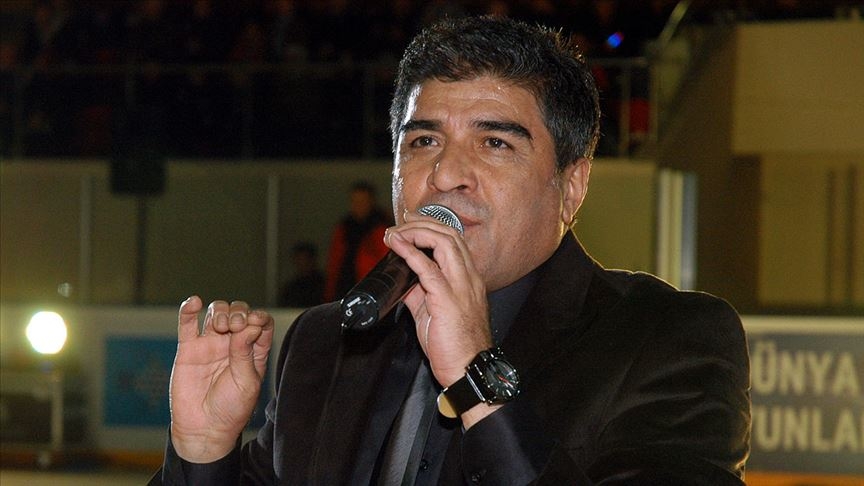

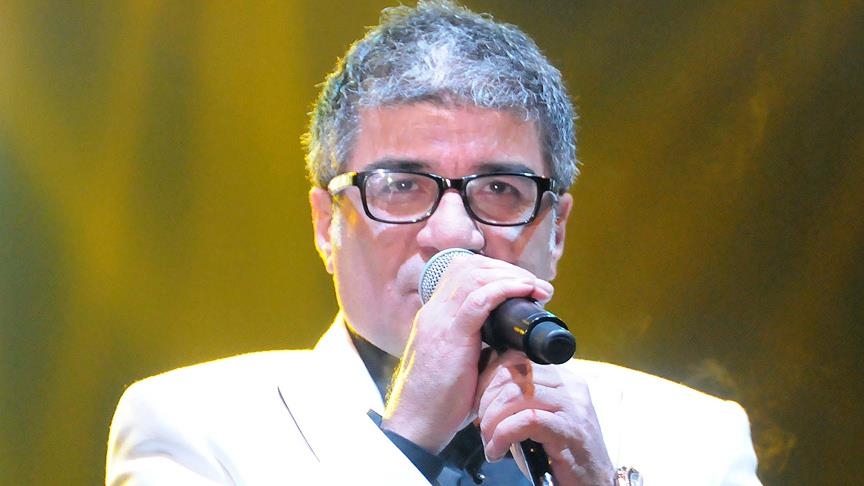

İbrahim Erkal (10 October 1966 – 11 May 2017) was a Turkish singer songwriter and actor. Born in In the Narman district of Erzurum, Erkal showed an early interest in music and laid the foundations of his professional career【1】. Known for his style that blended Turkish folk and pop music elements he gained recognition through his albums and stage performances In Turkish music circles. He also acted in television series and film projects. Erkal led a prolific career both as a composer and performer and his works made lasting contributions to Turkish music.
Ibrahim Erkal was born in the Narman district of Erzurum as the eldest child of Ebubekir and Hatice Erkal【2】. Growing up in a family of six siblings he learned to play the bağlama and mandolin at home. During his childhood he gained performance experience by appearing at local events organized around him. His family’s support helped his talents to be recognized early and played a significant role in his character development. In high school he taught himself to play the bağlama flute and mandolin and performed at school events. This period was a crucial stage in the formation of his musical identity.
Erkal completed his primary and middle school education at March 18 Elementary School in Narman and his high school education at Narman High School【3】. After high school he took solfège and music notation lessons at Ankara and gained stage experience. His education contributed to the development of discipline and time management skills. This period can be regarded as the preparatory phase for his professional music career.
In Istanbul he received piano and ud training at Telden Dile Music Center and refined his technical skills【4】. He fulfilled his military service between 1987 and 1988 as a soloist at the Istanbul Kalender Army House【5】. After his military service he briefly returned to To Erzurum before settling in Istanbul to elevate his music career to a professional level. This phase is considered the foundation of his career.
Ibrahim Erkal continued his professional music career in Istanbul. His first album Sarhoş Baki (1984) featured primarily Erzurum folk songs and reached a limited audience【6】. He gained wider recognition with the 1994 album Tutku. The 1995 album Sıra Bende / Aklımdasın is regarded as the turning point in his musical career【7】.
The 1996 album Gönlünüze Talibim and its songs Canısı and Unutmayacağım remained on the charts for an extended period. In the same year he starred in the television film Canısı and its 26-episode series which established him as an active figure in both music and acting【8】. The 1997 album Sırılsıklam and its accompanying series further solidified his career. In the 2000s he released the albums De Get Yalan Dünya (2000) Su Gibi (2001) and Aşknâme (2002) maintaining diversity in his repertoire【9】. The albums released between 2003 and 2007 represent the mature phase of his career.
His final album Ömrüm released in 2017 consists of 11 tracks including both previously recorded selections and new compositions【10】. In his albums he served as both lyricist and composer and his songs attracted attention through their structure melodic expression and lyrical coherence.
İbrahim Erkal - canısı.(Ulus Music)
Erkal’s music presents a style that integrates Turkish folk and pop elements. His songs commonly explore themes of love separation and emotion. He blended Anatolian melodies with modern pop tones and incorporated instruments such as the bağlama ud and flute into his compositions.
As a composer and lyricist he maintained full control over both the musical and textual dimensions of his songs. Inspired by Mevlana and Yunus Emre he interpreted Sufi philosophy in a modern form. His music appealed to both young and mature audiences and stood out through its melodic structure. His compositions were also performed by other artists and he collaborated with names such as Zara İzzet Yıldızhan Hülya Avşar and İbrahim Tatlıses【11】.
Although Erkal described his music as “Modern Folk Music” or “Fantasy” he succeeded in creating a unique style within his works.
In his albums he skillfully combined instruments such as the bağlama ud and flute.
As a lyricist he was influenced by the philosophy of Sufi poets such as Mevlana and Yunus Emre producing lyrical texts centered on themes of love patience and fate.
In addition to his own albums he composed songs for artists such as Zara İbrahim Tatlıses Hülya Avşar and İzzet Yıldızhan becoming one of the most significant composers in the Turkish music industry【12】.
His active involvement in both lyrics and composition ensured the unity and musical consistency of his works. His audience spanned from youth to mature listeners and his music attracted attention through its melodic structure and thematic depth.
Throughout his career Erkal performed in various cities across Türkiye and at numerous events. He notably appeared at music festivals and folk concerts in major cities such as Erzurum Istanbul and Ankara. His songs featured on television programs and open-air events and he reached wide audiences through folk concerts. On stage he emphasized the uniqueness of his compositions by playing instruments such as the bağlama ud and flute. These events ensured the continuity of his musical career and enabled his works to gain broad recognition.
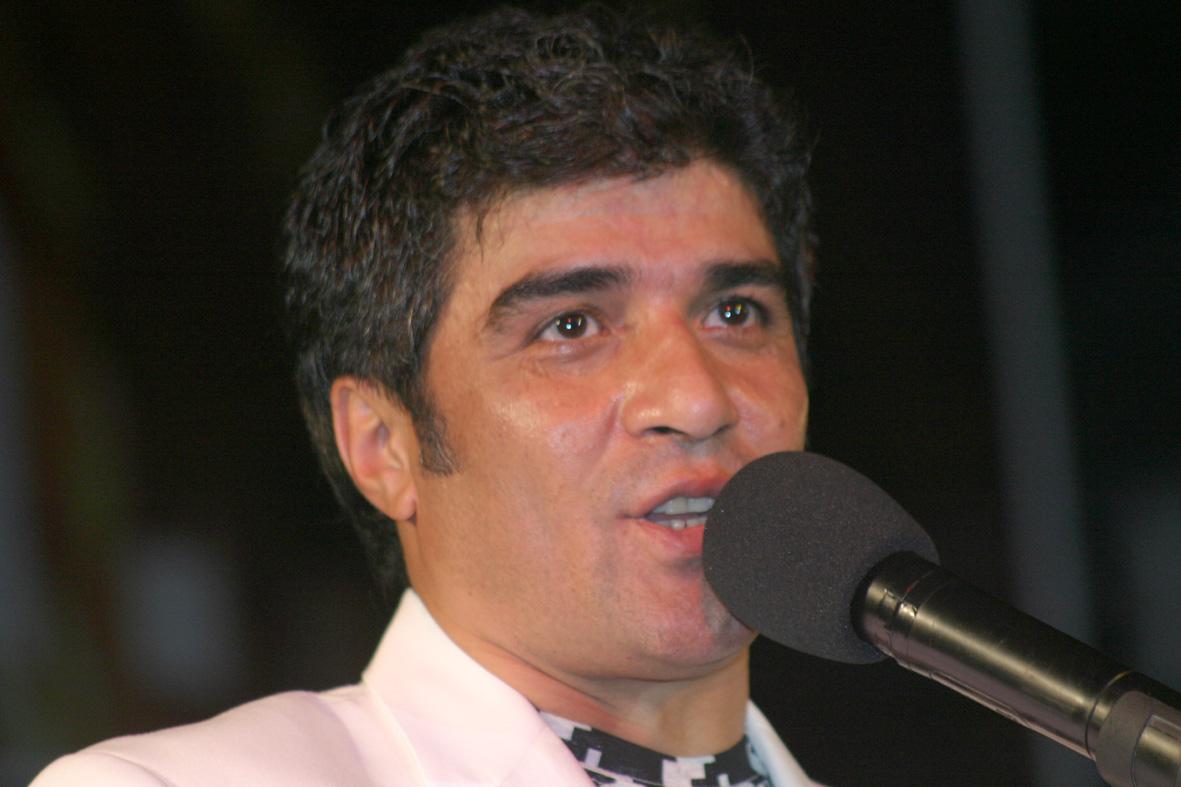
A scene from Ibrahim Erkal’s concert in Konya in 2004.(Konya Metropolitan Municipality)
Sarhoş Baki (1984)
Tutku (1994) – Tutku
Sıra Bende / Aklımdasın (1995) – Aklımdasın
Gönlünüze Talibim (1996) – Canısı Unutmayacağım
Sırılsıklam (1997)
De Get Yalan Dünya (2000)
Su Gibi (2001)
Aşknâme (2002)
Gönül Limanı (2003)
Yüreğinden Öpüyorum / Gülüm (2004)
Aranağme (2005)
Burnumda Tütüyorsun (2006)
Nefes 1 (2007)
Ömrüm (2017)
Ben Bu Şöhreti Sevmedim (2002) – Poetry book
Şarkılarım 1 / Aşknağme (2002) – Album and song compilation
Canısı (1996) – Film and 26-episode series
Sırılsıklam (1997–1998) – Series
On 12 April 2017 Erkal suffered a brain hemorrhage and was admitted to Ümraniye Education and Research Hospital. Despite intensive medical interventions he passed away on 11 May 2017 at the age of 50【13】. His funeral was held at Istanbul Karacaahmet Cemetery【14】.
Erkal’s death was regarded as a major loss to the Turkish music community. After his passing his works were reinterpreted by various artists and especially in Erzurum and surrounding regions they were embraced as a cultural legacy. Tribute albums and commemorative events have served as evidence of his enduring contribution to Turkish music.
[1]
Anadolu Ajansı. “Kısa yaşamında unutulmaz şarkılara imza atan sanatçı İbrahim Erkal”. AA.com.tr. Erişim tarihi: 29 Ocak 2026. https://www.aa.com.tr/tr/kultur/kisa-yasaminda-unutulmaz-sarkilara-imza-atan-sanatci-ibrahim-erkal/3562902
[2]
Biyografiler.com. “İbrahim Erkal”. Biyografiler.com. Erişim tarihi: 29 Ocak 2026. https://www.biyografiler.com/kimdir/ibrahim-erkal
[3]
Biyografiler.com. “İbrahim Erkal”. Biyografiler.com. Erişim tarihi: 29 Ocak 2026. https://www.biyografiler.com/kimdir/ibrahim-erkal
[4]
GelGez.net. “İbrahim Erkal Kimdir? Hayatı ve Biyografisi”. GelGez.net. Erişim tarihi: 29 Ocak 2026. https://www.gelgez.net/ibrahim-erkal-kimdir-hayati-biyografisi/
[5]
GelGez.net. “İbrahim Erkal Kimdir? Hayatı ve Biyografisi”. GelGez.net. Erişim tarihi: 29 Ocak 2026. https://www.gelgez.net/ibrahim-erkal-kimdir-hayati-biyografisi/
[6]
GelGez.net. “İbrahim Erkal Kimdir? Hayatı ve Biyografisi”. GelGez.net. Erişim tarihi: 29 Ocak 2026. https://www.gelgez.net/ibrahim-erkal-kimdir-hayati-biyografisi/
[7]
Anadolu Ajansı. “Kısa yaşamında unutulmaz şarkılara imza atan sanatçı İbrahim Erkal”. AA.com.tr. Erişim tarihi: 29 Ocak 2026. https://www.aa.com.tr/tr/kultur/kisa-yasaminda-unutulmaz-sarkilara-imza-atan-sanatci-ibrahim-erkal/3562902
[8]
Anadolu Ajansı. “Kısa yaşamında unutulmaz şarkılara imza atan sanatçı İbrahim Erkal”. AA.com.tr. Erişim tarihi: 29 Ocak 2026. https://www.aa.com.tr/tr/kultur/kisa-yasaminda-unutulmaz-sarkilara-imza-atan-sanatci-ibrahim-erkal/3562902
[9]
Anadolu Ajansı. “Kısa yaşamında unutulmaz şarkılara imza atan sanatçı İbrahim Erkal”. AA.com.tr. Erişim tarihi: 29 Ocak 2026. https://www.aa.com.tr/tr/kultur/kisa-yasaminda-unutulmaz-sarkilara-imza-atan-sanatci-ibrahim-erkal/3562902
[10]
Anadolu Ajansı. “Kısa yaşamında unutulmaz şarkılara imza atan sanatçı İbrahim Erkal”. AA.com.tr. Erişim tarihi: 29 Ocak 2026. https://www.aa.com.tr/tr/kultur/kisa-yasaminda-unutulmaz-sarkilara-imza-atan-sanatci-ibrahim-erkal/3562902
[11]
Anadolu Ajansı. “Kısa yaşamında unutulmaz şarkılara imza atan sanatçı İbrahim Erkal”. AA.com.tr. Erişim tarihi: 29 Ocak 2026. https://www.aa.com.tr/tr/kultur/kisa-yasaminda-unutulmaz-sarkilara-imza-atan-sanatci-ibrahim-erkal/3562902
[12]
Anadolu Ajansı. “Kısa yaşamında unutulmaz şarkılara imza atan sanatçı İbrahim Erkal”. AA.com.tr. Erişim tarihi: 29 Ocak 2026. https://www.aa.com.tr/tr/kultur/kisa-yasaminda-unutulmaz-sarkilara-imza-atan-sanatci-ibrahim-erkal/3562902
[13]
Anadolu Ajansı. “Kısa yaşamında unutulmaz şarkılara imza atan sanatçı İbrahim Erkal”. AA.com.tr. Erişim tarihi: 29 Ocak 2026. https://www.aa.com.tr/tr/kultur/kisa-yasaminda-unutulmaz-sarkilara-imza-atan-sanatci-ibrahim-erkal/3562902
[14]
Anadolu Ajansı. “Kısa yaşamında unutulmaz şarkılara imza atan sanatçı İbrahim Erkal”. AA.com.tr. Erişim tarihi: 29 Ocak 2026. https://www.aa.com.tr/tr/kultur/kisa-yasaminda-unutulmaz-sarkilara-imza-atan-sanatci-ibrahim-erkal/3562902

Family and Early Life
Educational Background
Musical Training and Military Service
Musical Career
Artistic Style Themes and Instrumental Mastery
Musical Synthesis
Literary Depth
Composer Identity
Concerts and Events
Albums and Notable Songs
Books
Film and Television Work
Health Issues Death and Cultural Legacy