


This article was automatically translated from the original Turkish version.
+2 More
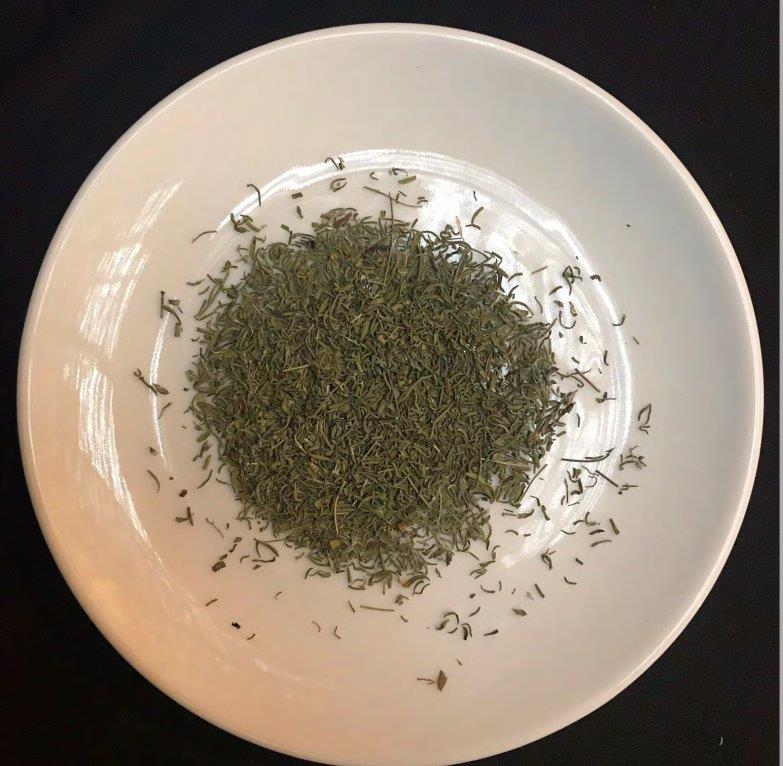
İnegöl Çıbrıkası is a local product obtained by drying and grinding the above-ground parts of Satureja hortensis, a spice plant cultivated in the İnegöl district of Bursa Province, Türkiye. Known locally as “çıbrıka,” this plant is related to thyme species and is characterized by its slender, branched stem and lance-shaped leaves; it produces flowers in white, pink, and purple hues. İnegöl Çıbrıkası is particularly used for its distinctive aroma in meat dishes and soups, and can also be consumed with olive oil and lemon. Its production involves stages such as seedling cultivation, transplanting, planting in fields, irrigation, fertilization, harvesting, and drying—all of which occur within the geographical boundaries of İnegöl.
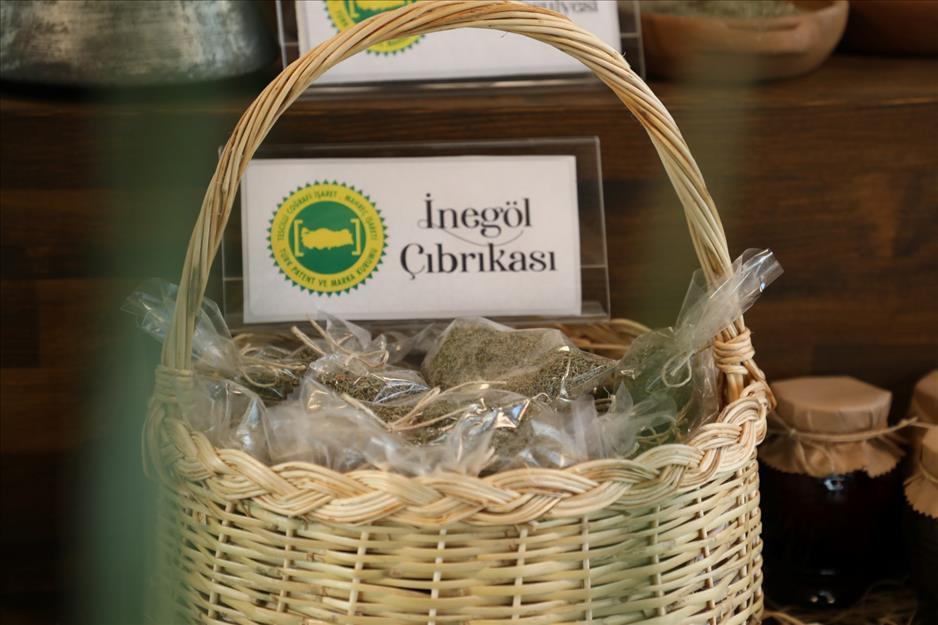
İnegöl Çıbrıkası (İnegöl Municipality)
İnegöl Çıbrıkası is a spice product derived from the above-ground parts of Satureja hortensis, a plant known locally as “çıbrıka” or “sater,” processed and dried using appropriate techniques. Related to thyme species, this plant belongs to the genus Satureja and the family Lamiaceae (mint family). İnegöl Çıbrıkası falls under the category of ground spices and is particularly notable for its use in meat dishes and soups. The volatile oil content in its dry matter is at least 1% (1 ml per 100 g).
İnegöl Çıbrıkası was officially registered as a geographical indication in Türkiye on 6 June 2023 under registration number 1374. The application number is C2022/000099, with an application date of 10 March 2022. The type of geographical indication is designated as “designation of origin,” and the registered holder is the İnegöl Municipality. The defined production area is limited to the İnegöl district of Bursa Province. The label “İnegöl Çıbrıkası” and the designation of origin emblem must appear on the product or its packaging; if space does not permit on the packaging, the emblem must be visibly displayed at the production facility.
İnegöl Çıbrıkası has a branched and dichotomous stem reaching a height of 10–35 cm. The stem is green or reddish-green in color, covered with fine hairs and small pores. The leaves are lance-shaped, oppositely arranged, with entire margins that taper to a point and slightly wavy edges, in various shades of green. During flowering, the plant produces flowers in white, pink, and purple tones.
Production of İnegöl Çıbrıkası begins with çıbrıka seeds. Due to the difficulty of direct sowing in fields, seedlings are first grown in nurseries and later transplanted. After developing above ground, seedlings are transplanted into fields or gardens using the transplanting method to promote root and stem development. White, pink, or purple flowers appear during the flowering period. Seeds used for planting are collected from plants selected for seed production in the previous growing season.
For nursery preparation, dimensions of 1–2 m in width, 10–15 m in length, and 15–20 cm in height are generally recommended. Seedlings that are too short are more susceptible to disease and pests. To ensure proper drainage, the nursery base is lined with suitable materials such as gravel or brush. Prior to sowing, the soil is prepared by mixing it with well-rotted farm manure. Planting can be done manually or with appropriate machinery. Under ideal conditions, seeds germinate into seedlings within approximately three weeks.
Optimal soils for çıbrıka cultivation are rich in organic matter, well-drained, and either loamy or sandy-loamy. Sowing in nurseries typically occurs between September and December, or February and March depending on climatic conditions. Soil temperature for germination should be maintained between 20–24°C. Proper aeration of the soil and nursery is essential for plant health. The planting area is plowed in autumn and leveled in spring using disk harrows and rakes. Seedlings are transplanted into the field once they reach a height of 10 cm.
Soil and leaf analyses are recommended to determine the plant’s fertilizer requirements. Based on these analyses, farm or stable manure or commercial fertilizers may be applied.
After sowing, during the germination phase, nursery soil should be watered every two to three days or daily if necessary to prevent moisture loss. After seedlings emerge from the soil surface, irrigation frequency is reduced to prevent diseases caused by overwatering. Irrigation can be carried out using furrow, drip, or sprinkler methods. Sprinkler irrigation is preferred after transplanting; later in the growth cycle, daily or every-other-day irrigation may be applied. Once the plants are well established, weekly irrigation is sufficient. Irrigation during summer months and after pruning is essential for yield and plant longevity. Drip irrigation is an effective method for water conservation and quality preservation.
Seeds and seedlings used in cultivation must be healthy and disease-free. Nurseries must be established in clean, disease-free areas. Overwatering and inadequate aeration must be avoided. If control of weeds, diseases, or pests is required, chemical or mechanical methods may be employed, provided the products used comply with relevant regulations.
Harvesting is conducted when the plant’s volatile oil content is at its peak, typically at 50% flowering or full bloom. The time of day of harvest can also affect volatile oil content—for example, plants harvested in the afternoon may contain more oil than those harvested in the morning. Delayed harvesting may lead to lignification of the plant. Deep pruning should be avoided in the first year of cultivation, as it may expose roots to winter damage. Plants sown in the first year are generally not harvested. In subsequent years, up to three harvests per year may be possible depending on conditions.
During harvesting, stems should be cut with a blade approximately 15 cm above ground level without uprooting or damaging the roots. Harvesting can be done manually or mechanically in large areas. After harvesting, irrigation and weed removal are carried out.
Harvested plants are quickly collected from the field and transported to a clean, shaded area for drying. During drying, the layer thickness should not exceed 20 cm, and branches should be turned regularly to ensure adequate air circulation. Drying temperature should be maintained between 30–35°C. Shade drying preserves quality. The most suitable method is drying on wire mesh racks elevated 50 cm above ground to allow airflow from below. Discolored portions are removed. Modern drying methods such as ovens or drying tunnels may also be used. Once dried, the plants are ground appropriately to produce the spice.
Dried and processed products are stored in containers or sacks suitable for food contact. The goal is to deliver the product to market as quickly as possible. Storage and transportation should occur in cool, odor-free, clean, and dry environments.
İnegöl Çıbrıkası is marketed in bulk or in appropriate packaging, with labeling information compliant with relevant food regulations.
A direct link exists between the geographical boundary of production (İnegöl district) and the product’s unique qualities. Therefore, all cultivation and production processes must be carried out entirely within this geographical boundary.
Monitoring activities are conducted by a monitoring body of at least three members, coordinated by the İnegöl Municipality with participation from the İnegöl District Directorate of Agriculture and Forestry. Monitoring is carried out at least once per year; additional inspections may be conducted in response to complaints or as needed. Monitoring reports are submitted annually to the Turkish Patent and Trademark Office in accordance with Law No. 6769 on Industrial Property. The monitoring body evaluates compliance with production methods, harvesting, drying, storage, preservation, and the correct use of the geographical indication, and may seek expert support from public or private institutions when necessary.
Turk Patent and Trademark Office. "İnegöl Çıbrıkası Coğrafi İşaret Belgesi." Turk Patent and Trademark Office. Accessed May 31, 2025. https://ci.turkpatent.gov.tr/Files/GeographicalSigns/1242fe64-255c-415e-84a9-5e5c17aca90b.pdf.
Türk Patent ve Marka Kurumu. “Coğrafi İşaretler Detay: İnegöl Çıbrıkası.” Türk Patent ve Marka Kurumu. Accessed May 31, 2025. https://ci.turkpatent.gov.tr/cografi-isaretler/detay/6262.
İnegöl Municipality. "İnegöl’ün Yerli Lezzetleri Gastro İnegöl’de Tüketiciyle Buluşuyor." İnegöl Belediyesi. Accessed May 31, 2025. https://www.inegol.bel.tr/guncel/haberler/inegol-un-yerli-lezzetleri-gastro-inegol-de-tuketiciyle-bulusuyor/?ai=9304.

Classification
Geographical Indication and Protection
Botanical Characteristics
Cultivation and Production Method
Field or Garden Establishment
Soil and Climate Conditions
Fertilization
Irrigation
Plant Protection
Harvesting and Drying
Storage and Preservation
Market Supply
Geographical Boundary and Production Link
Monitoring