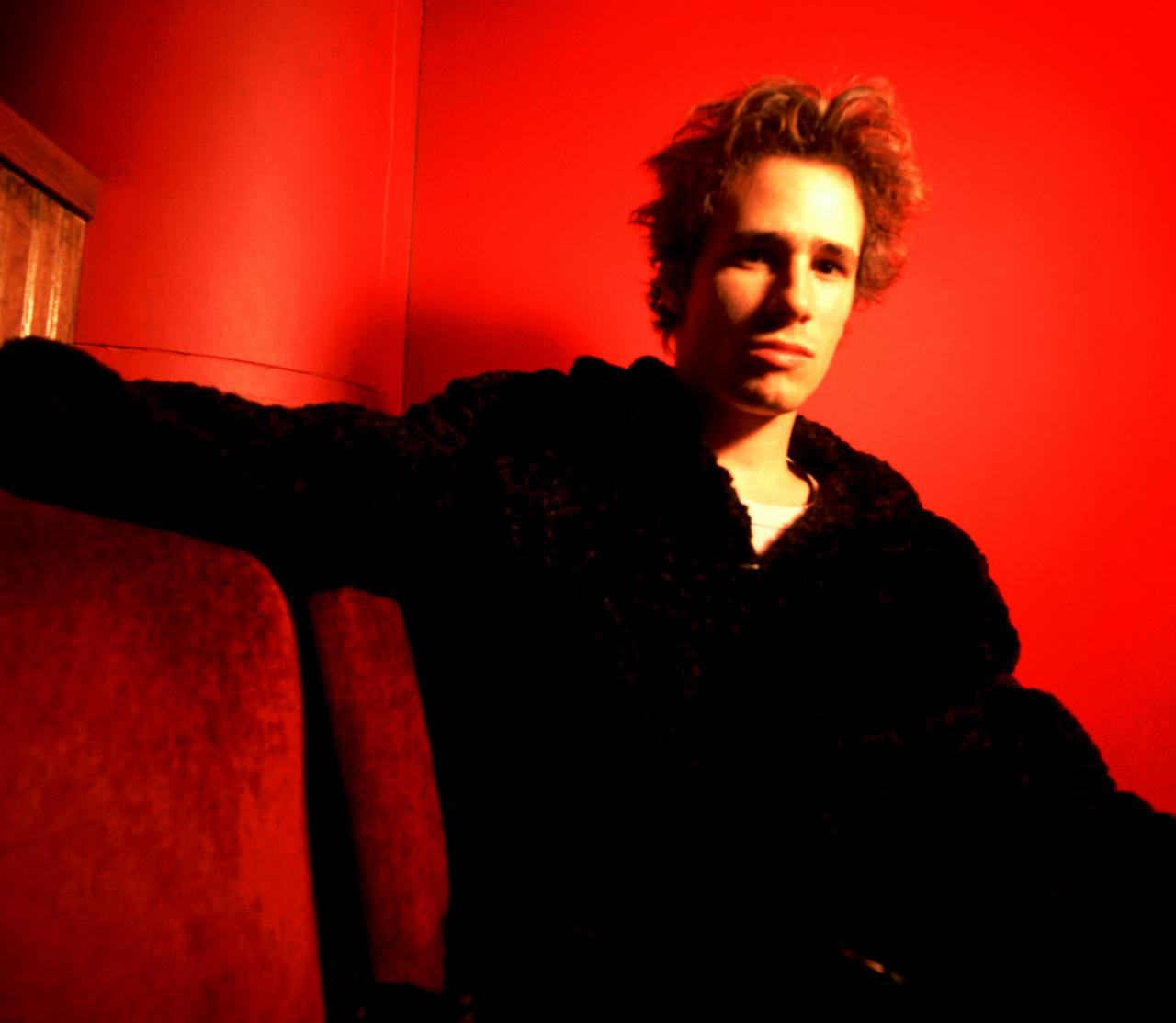



Jeffrey Scott Buckley (November 17, 1966 – May 29, 1997) was an American singer, songwriter, and guitarist who gained prominence in the 1990s alternative music scene. Born to Mary Guibert, a classically trained pianist of Panamanian descent, and folk musician Tim Buckley, he was drawn to music from an early age and developed a unique vocal style and expressive approach by blending elements of rock, folk, jazz, and classical music. Buckley attracted critical and popular acclaim with his first and only completed studio album, Grace, known for his wide vocal range, emotionally intense interpretations, and compelling stage presence. He died on May 29, 1997, at the age of 30, after drowning in the Wolf River Harbor in Memphis, Tennessee, before completing his second album.
Jeff Buckley was born on November 17, 1966, in Anaheim, California. His mother, Mary Guibert, was a classically trained pianist. His father, Tim Buckley, was a folk-rock singer who rose to prominence in the late 1960s. After his parents separated, Jeff was raised by his mother and stepfather; he had only one brief encounter with his biological father shortly before Tim’s death. Tim Buckley died of an accidental drug overdose when Jeff was eight years old.
Jeff spent his childhood in Southern California, where he was exposed to a variety of musical genres through his mother and stepfather. He developed an interest not only in rock bands such as Led Zeppelin, Jimi Hendrix, The Who, and Pink Floyd but also in jazz, classical, and ethnic music. He also studied piano and vocal technique under his mother’s guidance.
After high school, Buckley enrolled at the Musicians Institute in Los Angeles and graduated in 1985. During this period, he focused on theoretical music knowledge and guitar technique. However, he later described this training as “overly technical and soulless,” criticizing the restrictive nature of formal music education. After graduation, he performed with various bands across genres including jazz, reggae, and hard rock, and worked as a session musician. This period of musical diversity laid the foundation for the hybrid, layered sound he would later develop.
Jeff Buckley’s musical career gained momentum in the early 1990s with solo performances in New York City. He briefly joined the band Gods and Monsters, but the collaboration was short-lived, and he chose to pursue a solo path. His performances at Sin-é, a small but influential live music venue in New York’s East Village, showcased his musical versatility and commanding stage presence.
At Sin-é, Buckley did not limit himself to his own compositions; he also interpreted songs by artists from diverse genres and regions, including Leonard Cohen, Nina Simone, Van Morrison, and Nusrat Fateh Ali Khan. This broad repertoire demonstrated the boundaries of his musical expression and interpretive power. During this time, he signed a recording contract with Columbia Records, and in December 1993, the four-track Live at Sin-é EP, featuring recordings from his performances at the venue, was released.
Following the EP, Buckley began work on his first studio album. Produced by Andy Wallace, the album Grace was released on August 23, 1994. It included original songs written by Buckley alongside interpretations of Leonard Cohen’s “Hallelujah” and Benjamin Britten’s “Corpus Christi Carol.” The album drew attention for its genre-blending, expansive vocal range, and emotional intensity.
Although Grace achieved only limited commercial success upon release, it received widespread critical acclaim. Over time, it became revered by both critics and fellow musicians. Bands such as Radiohead, Muse, and Coldplay have cited Buckley as a major influence. His rendition of “Hallelujah” in particular has become a landmark recording in popular music history.
After the extensive touring cycle following Grace, Buckley focused on preparing his second studio album in 1996. The album, tentatively titled My Sweetheart the Drunk, was planned for release under Columbia Records. Buckley conducted recording sessions in Memphis, Tennessee, aiming to draw inspiration not only from studio work but also from his personal experiences during this time. He collaborated both with previous producers and with new musical partners. The material reflected a transitional phase in both songwriting and sound engineering.
During his time in Memphis, Buckley remained productive outside the studio. While preparing new songs, he revisited earlier works and continued performing live. This period revealed his desire to establish an independent artistic voice and to explore new technical directions in his music.
However, this creative process was abruptly interrupted. On May 29, 1997, while swimming in the Wolf River Harbor in Memphis as he waited for a friend’s band, Buckley was swept away by the river’s current and disappeared. Official reports confirmed no drugs or alcohol were present in his system at the time of the incident. His body was recovered after six days of search efforts.
Following Buckley’s death, his mother Mary Guibert, in collaboration with Columbia Records, oversaw the release of several posthumous albums. Among these, Sketches for My Sweetheart the Drunk (1998) stands out as a significant compilation of recordings intended for his second album. Other posthumous releases include compilation and live albums such as Mystery White Boy, Live at L’Olympia, and So Real: Songs from Jeff Buckley, which feature live performances and various studio sessions.
After his death, Jeff Buckley has been regarded not merely as a musician with a limited discography but as a defining figure of the 1990s’ emotional and aesthetic explorations. Both his body of work and his life story have cemented his status as a lasting cultural reference point in contemporary music history.
Biography. "Jeff Buckley Biography." Accessed September 19, 2025. https://www.biography.com/musicians/jeff-buckley
IMDb. "Jeff Buckley - Biography". Accessed September 19, 2025. https://www.imdb.com/name/nm0118623/bio/?ref_=nm_ov_bio_sm
IMDb. “Jeff Buckley”. Accessed September 19, 2025. https://www.imdb.com/name/nm0118623/?ref_=nmbio_ov_bk
Jeff Buckley. "Jeff Buckley – Official Biography." Accessed September 19, 2025. https://jeffbuckley.com/biography/

Early Life and Education
Career and Achievements
Final Years and Death
Albums and Compilations
Studio Albums / Compilations
Compilations and Live Albums