

This article was automatically translated from the original Turkish version.
+1 More
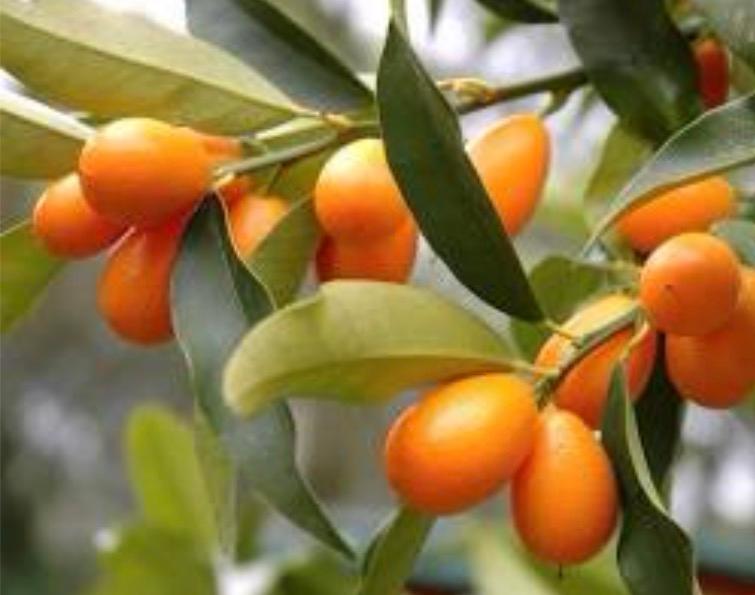
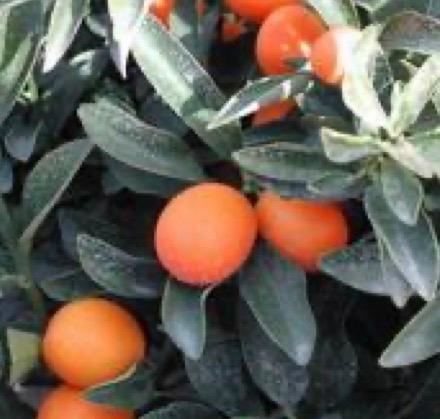
Kamkat Meyvesi (yapay zeka ile oluşturulmuştur.)
Kumquat (Fortunella spp.), belonging to the Aurantioideae subfamily of the Rutaceae family, is a citrus species characterized by evergreen foliage and small fruits. Taxonomically, it was first separated from the Citrus genus in 1915 by botanist Walter Tennyson Swingle and classified under its own genus, Fortunella. Native to China, its name derives from the Cantonese term "gam gwat," meaning "golden orange." Kumquat is distinctly differentiated from other citrus fruits by its morphological structure, climatic adaptability, and edible peel.
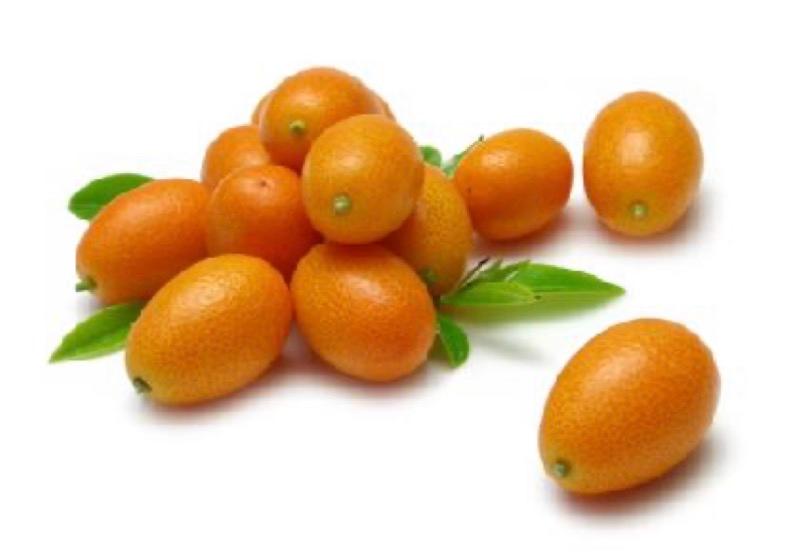
Kumquat Fruit (Ministry of Agriculture and Forestry)
Kumquat plants are small, slow-growing trees that reach heights of 2.5 to 4.5 meters, exhibiting a shrub-like form depending on species and ecological conditions. The trunk is typically spineless or has very short spines, and the branches form a dense, compact canopy. The leaves are dark green, glossy, lanceolate, and smaller in size compared to other citrus species.
Kumquat flowers are white, aromatic, and hermaphroditic. They usually emerge singly or in small clusters from leaf axils. Fruits, measuring 2 to 5 centimeters in diameter depending on the species, are oval or spherical in shape. The fruit structure consists of 4 to 7 segments containing 2 to 5 seeds. Unlike other citrus fruits, the peel of the kumquat is sweet while the flesh is mildly acidic. This unique characteristic allows the fruit to be consumed whole, including the peel.
The main kumquat species cultivated globally and in Türkiye are as follows:
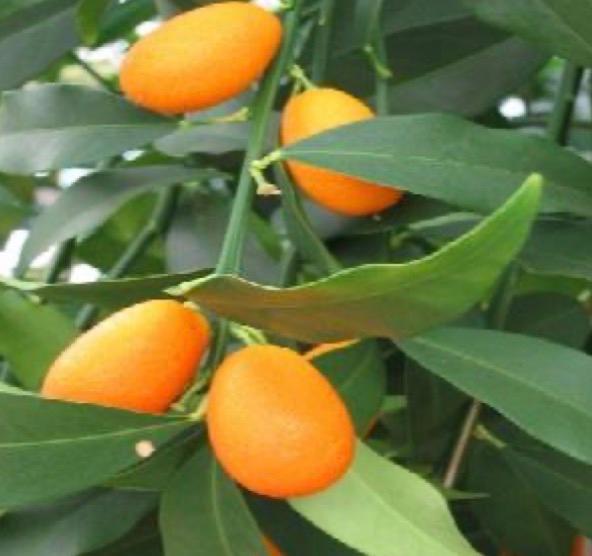
Nagami (Ministry of Agriculture and Forestry)
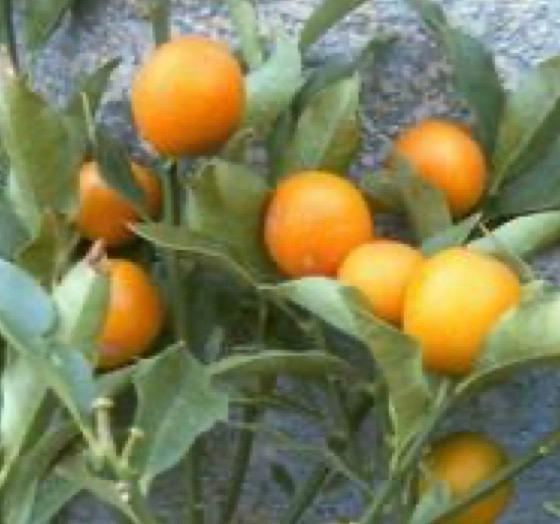
Marumi (Ministry of Agriculture and Forestry)
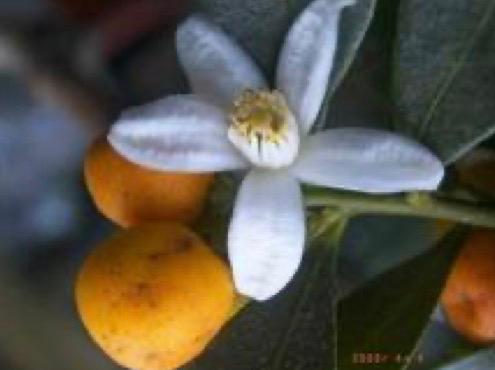
Hong Kong (Ministry of Agriculture and Forestry)
Compared to other citrus species, kumquat exhibits significantly greater cold tolerance. Thanks to its ability to enter winter dormancy, it can withstand short-term temperatures as low as -12°C to -15°C. However, subtropical climatic conditions provide the optimal environment for high fruit quality and yield.
Although kumquat can be propagated through seeds, cuttings, or layering, grafting remains the most common and successful method. The most suitable rootstock for kumquat is the trifoliate orange (Poncirus trifoliata), which is cold-hardy and capable of winter dormancy. Grafting onto this rootstock results in a more compact plant, earlier fruiting, and enhanced cold resistance.
The plant prefers well-drained, loamy, humus-rich, and slightly acidic soils. Due to its sensitive root system, stagnant water can cause root rot, making good drainage essential. Regular irrigation is required during summer months, while water needs decrease significantly in winter. Pruning is performed minimally to maintain tree shape and ensure adequate light exposure to fruit-bearing branches.
Kumquat fruit is a nutrient-dense food. Its most notable feature is the high concentration of bioactive compounds in the peel.
The peel contains high levels of flavonoids and essential oils such as limonene. These phenolic compounds are the primary contributors to the fruit’s high antioxidant capacity. Analyses have shown that antioxidant activity in the peel is significantly higher than in the flesh.
Ertürk, Yaşar, Akça, Yaşar, and Şerif Kandemir. "Kamkat’ın (Fortunella margarita) Bazı Fiziksel ve Kimyasal Meyve Özellikleri ile Mineral İçeriği." Iğdır Üniversitesi Fen Bilimleri Enstitüsü Dergisi 1, no. 4 (2011): 39-43. Accessed April 7, 2026. https://dergipark.org.tr/tr/download/article-file/849230.
Hocagil, M. *Kamkat Yetiştiriciliği*. Mersin: Tarım ve Orman Bakanlığı Alata Bahçe Kültürleri Araştırma Enstitüsü Müdürlüğü, 2018. Accessed April 7, 2026. https://arastirma.tarimorman.gov.tr/alata/Belgeler/Diger-belgeler/KamkatYeti%C5%9Ftiricili%C4%9FiMHocagil.pdf.
Şan, Burhanettin, Merve Altınkaynak, and Cemile Merve Sezer. "Kamkat (Fortunella spp.)'ın Sağlık Üzerindeki Etkileri ve Bazı Önemli Kimyasal Bileşenleri." Meyve Bilimi 4, no. 1 (2017): 34-39. Accessed April 7, 2026. https://dergipark.org.tr/en/download/article-file/1829582.

Kamkat Meyvesi (yapay zeka ile oluşturulmuştur.)
Morphological Characteristics and Taxonomic Classification
Flower and Fruit Structure
Species Diversity and Varieties
Cultivation Techniques and Ecological Requirements
Propagation Methods and Grafting
Soil and Irrigation Requirements
Chemical Composition and Nutritional Value
Phenolic Compounds and Essential Oils