

This article was automatically translated from the original Turkish version.
+2 More
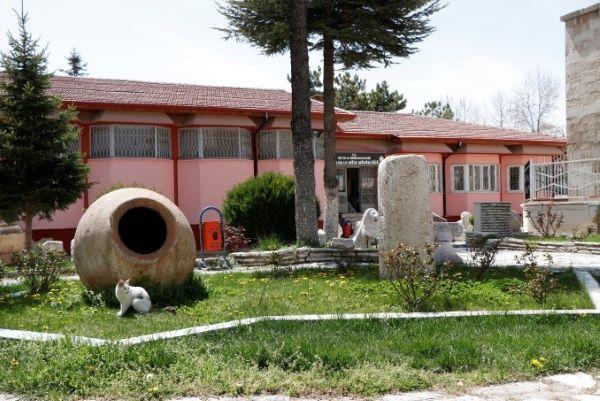
Karaman Museum is a museum established to preserve and display archaeological and ethnographic artifacts from Karaman and its surrounding region. It is located in the city center, behind the Hatuniye Medresesi, a structure dating back to the Karamanid Beylik period.
Museum activities in Karaman began in 1961. The initial collection, formed through artifacts gathered from the surrounding area and donations, gradually expanded over time. Archaeological excavations in the Karaman region, along with additional donations and scholarly research, enriched the museum’s collection. The current museum building was opened to the public in 1980.
Since its establishment, the museum has been relocated several times and currently operates in its two-story building.
The museum building is two stories high. The upper floor houses exhibition halls displaying archaeological and ethnographic artifacts. The museum consists of two main sections: archaeological and ethnographic. An open-air exhibition area is located in its courtyard, where stone artifacts are displayed. The museum courtyard has been arranged as an open-air space primarily featuring stone structures and large-scale artifacts.
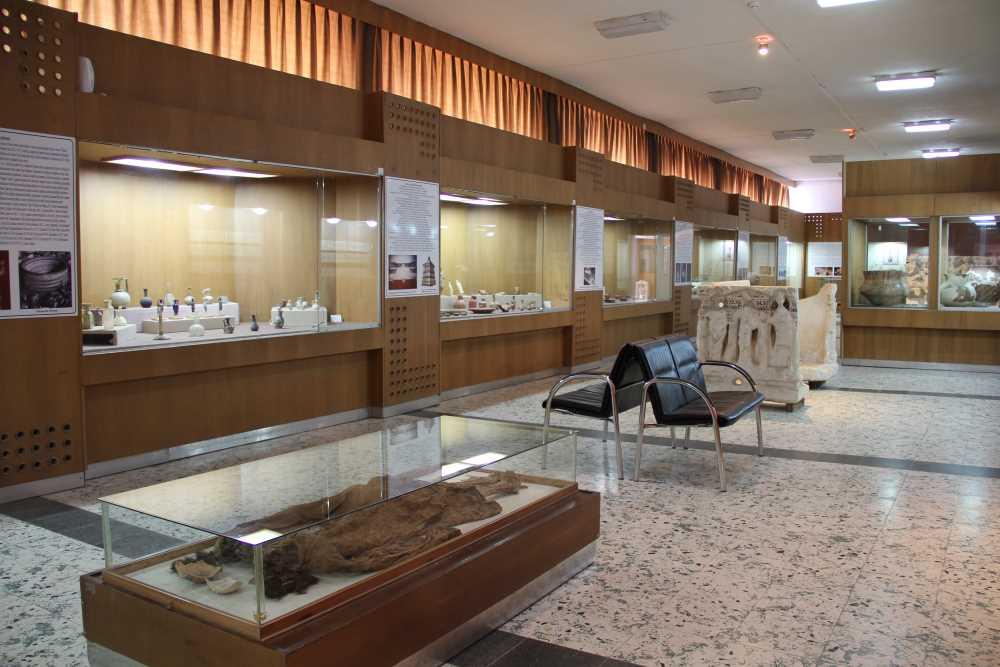
Karaman Museum (Türkiye Kültür Portalı)
The museum’s collections span a broad chronological range from the Epipaleolithic period to the Republican era. Artifacts from the Epipaleolithic, Neolithic, Chalcolithic, Bronze Age, Iron Age, Classical, Hellenistic, Roman, Byzantine, Seljuk, Anatolian Beyliks, Karamanids, Ottoman, and Republican periods are on display.
The archaeological collection includes stone tools, obsidian arrowheads and spear points, bone implements, fired clay vessels, statues, sarcophagi, glass artifacts, figurines, seals, and various other finds.
Among the exhibited items are Roman glass bottles, bronze figurines, a statue of Asclepius dated to the 2nd century CE, and a Sidemara-type sarcophagus dated to the 3rd century CE. The collection also includes Byzantine ceramic plates, bronze lamps, crosses, and medallions.
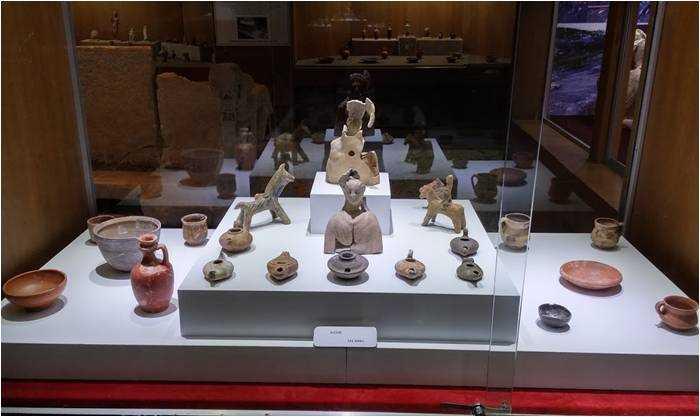
Karaman Museum (Türkiye Kültür Portalı)
The mummified female body known as the “Beauty of Manazan,” recovered from the Manazan Caves, is displayed in the archaeological exhibition hall.
The numismatic collection includes examples from the Persian, Greek, Roman, Byzantine, Sasanian, Venetian, Umayyad, Abbasid, Zengid, Mamluk, Fatimid, Seljuk, Karamanid, Artuqid, Ottoman, and Republican periods. Some coins in the display cases are accompanied by photographs of their reverse sides and brief descriptions.
The ethnographic collection features traditional clothing, silver jewelry, carpets and kilims, copper vessels, wooden objects, handicrafts, and various everyday tools. Additionally, written artifacts such as illuminated Qurans, genealogies, sharia court records, the Ahi Evran Fütüvvetnamesi, and imperial decrees are exhibited.
Other notable artifacts in the collection include a metal sherbet cauldron from the Seljuk period and a bronze casting cannon from the Karamanid period.
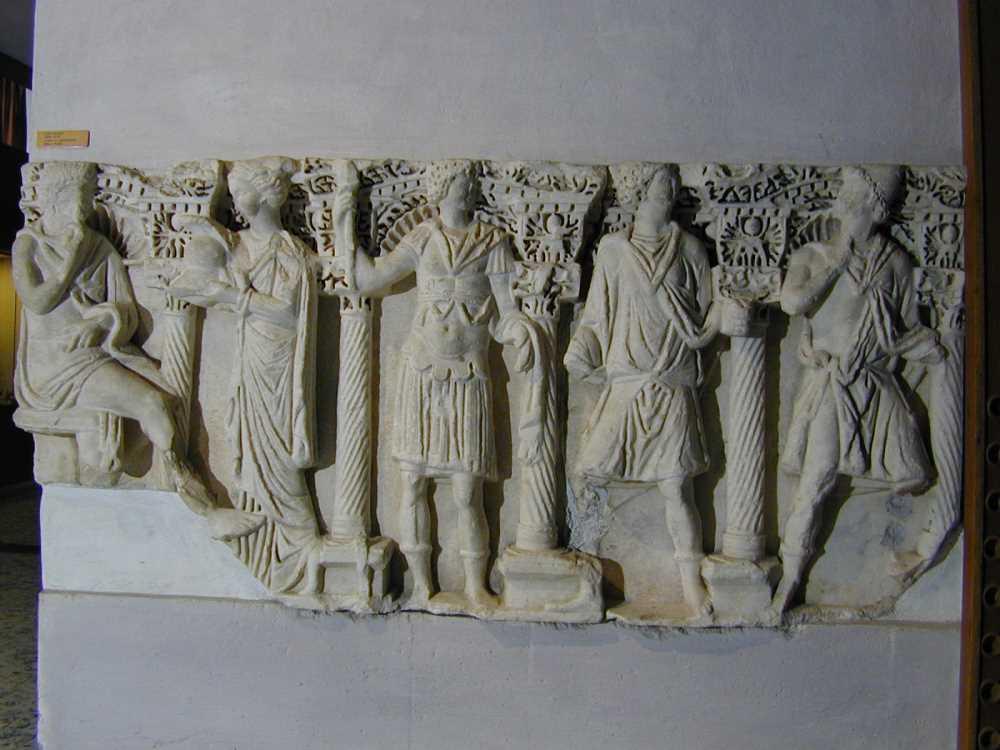
Karaman Museum (Türkiye Kültür Portalı)
The museum courtyard displays stone artifacts from the Roman, Eastern Roman, Seljuk, and Ottoman periods, the majority of which are Roman funerary stelae. This area also contains tomb inscriptions, altars, column capitals, and various architectural fragments.
The Karaman Museum operates in its two-story building, showcasing its archaeological and ethnographic collections. Approximately 15,000 artifacts are registered in the museum’s inventory, of which around 1,000 are on display. The collection has been enriched through excavations, donations, and research, and the museum continues to fulfill its role in preserving and presenting the historical and cultural heritage of the region.


History
Architectural Features and Spatial Organization
Collections and Exhibited Artifacts
Courtyard / Open-Air Exhibition
Current Status