This article was automatically translated from the original Turkish version.
+1 More
Type of Geographical İndication | Place of Origin | ||||||||
|---|---|---|---|---|---|---|---|---|---|
Application Date | 23.12.2016 | ||||||||
Registration Number | 374 | ||||||||
Registration Date | 10.08.2018 | ||||||||
Product / Product Group(s) | Honey | ||||||||
Province(s) | Kars | ||||||||
Applicant/Registrant(s) | Kars Province Beekeepers Union | ||||||||
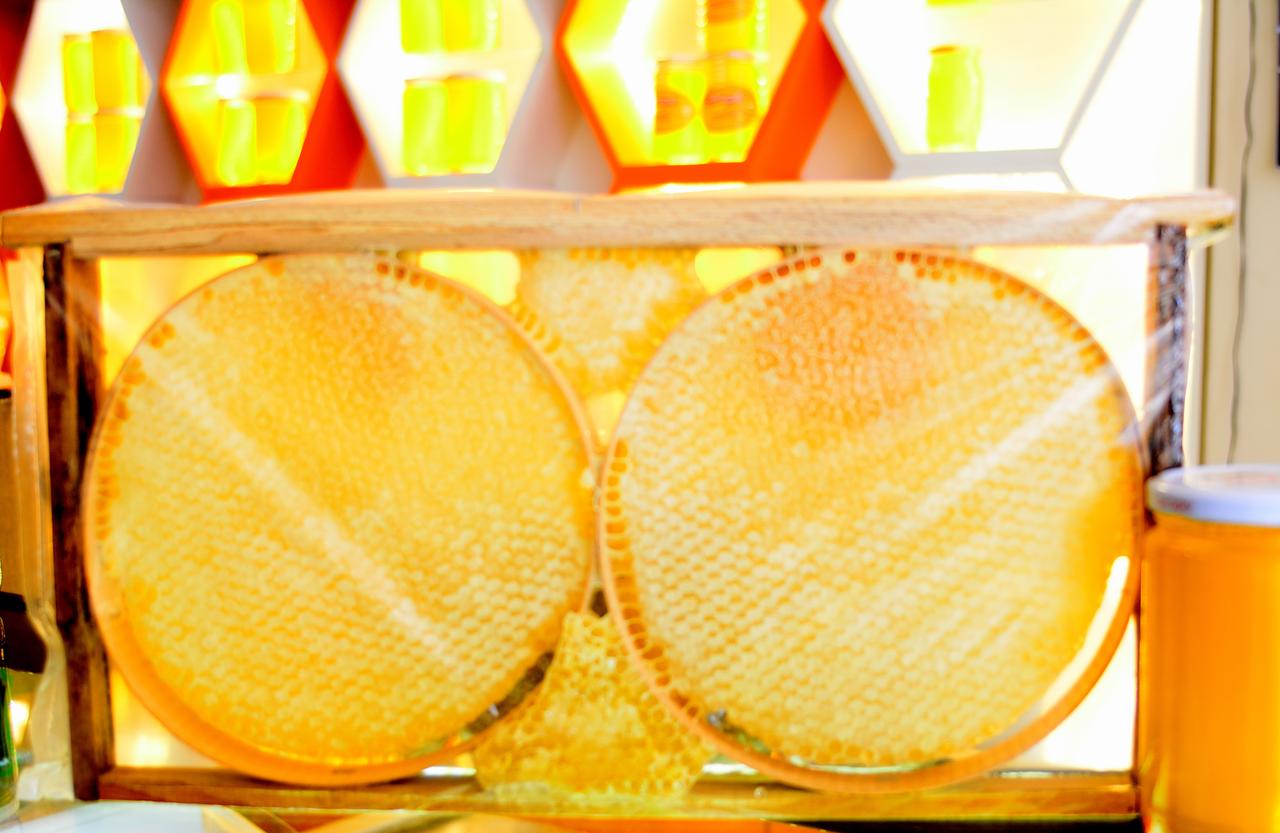
Kars honey is a unique apicultural product distinguished by its geographical location and endemic plant flora. High-altitude plateaus, rich alpine vegetation, and natural habitats remote from human activity directly influence the quality and composition of this honey. Chemical analyses have demonstrated that Kars honey is richer in phenolic compounds, flavonoids, and antioxidant activity compared to honeys from other regions. These characteristics elevate Kars honey beyond a mere sweetener, transforming it into a food substance with potential health benefits and pharmacological effects.
The honey of the Kars region is a product derived from the high-altitude plateaus of northeastern Anatolia, characterized by a unique pollen profile. Melissopalynological studies of 100 honey samples revealed the presence of Lotus corniculatus pollen in 99 samples, Onobrychis radiata in 99 samples, Trifolium nigrescens in 88 samples, and Echium vulgaris in 81 samples. These findings clearly indicate that the honey is produced from flora endemic to Kars.
A study conducted by Hacettepe University analyzed water content, HMF (hydroxymethylfurfural), fructose/glucose ratio, volatile compounds, and phenolic/flavonoid content across 100 honey samples from eight districts. The average moisture content was found to be 15.5 ± 1.11%; the HMF value averaged 0.77 ppm ± 0.9 ppm; and the fructose/glucose ratio was 1.02 ± 0.16. Additionally, significant levels of compounds such as alcohols, aldehydes, ketones, and flavonoids were detected in the volatile profile.
Another study employing chemometric approaches determined the heavy metal and essential element content of Kars honey using ICP-OES. Average concentrations were found to be 3.09 µg/g for Al, 9.32 µg/g for Mg, 0.78 µg/g for Zn, and 0.33 µg/g for Pb. Total phenolic content was recorded at 19.74 mg GAE/100 g, flavonoid content at 4.47 mg CE/100 g, and antioxidant activity measured by DPPH at 49.08%. HMF levels comply with standards set by Codex and the Turkish Food Code.
Chemometric analyses (cluster analysis and principal component analysis) demonstrated that Kars honey is statistically distinct from honeys of other regions based on its pollen, bioactive, elemental, and physicochemical profiles. This confirms Kars honey as a unique product with a geographical indication.
The presence of volatile compounds such as alcohols, aldehydes, ketones, flavonoids, and carboxylic acid derivatives in Kars honey imparts it with a complex aroma profile. Simultaneously, its high phenolic and flavonoid content indicates strong antioxidant potential.
According to the Turkish Food Code and Codex Alimentarius criteria, parameters such as HMF and water content confirm that Kars honey is safe in terms of quality. Elemental analyses indicate that its composition is within safe limits for consumer health.
Honey, an essential component of the gastronomic identity of the Ardahan-Kars region, was identified in a 2024 study as one of the products contributing to the region’s cultural gastronomic identity. The study also emphasized the interaction between geographical indication, tourism, and gastronomy.
Turkish Patent and Trademark Office.Balıkesir Kuzu Meat Geographical Indication Registration Information. File No. C2017/002; Registration No. 314; Registration Date: January 2, 2018. Accessed July 27, 2025. https://ci.turkpatent.gov.tr/cografi-isaretler/detay/38242.
Turkish Patent and Trademark Office.Kars Balı Geographical Indication Registration Certificate [PDF]. Origin Name; Registration No. 374. Geographical Indications Portal. Accessed July 27, 2025. https://ci.turkpatent.gov.tr/Files/GeographicalSigns/374.pdf

Type of Geographical İndication | Place of Origin | ||||||||
|---|---|---|---|---|---|---|---|---|---|
Application Date | 23.12.2016 | ||||||||
Registration Number | 374 | ||||||||
Registration Date | 10.08.2018 | ||||||||
Product / Product Group(s) | Honey | ||||||||
Province(s) | Kars | ||||||||
Applicant/Registrant(s) | Kars Province Beekeepers Union | ||||||||
Botanical and Geographical Origin
Chemical Characterization
Element and Bioactive Compound Analysis
Quality Distinctiveness
Aroma and Functional Properties
Health and Standards
Regional Identity and Gastronomy