

This article was automatically translated from the original Turkish version.
+2 More
Construction Date(s) | 1885 | ||||||||
|---|---|---|---|---|---|---|---|---|---|
Commissioned by | Vali Abdurrahman Paşa | ||||||||
Location | Sarayüstü Tepesi Türkiye Kastamonu | ||||||||
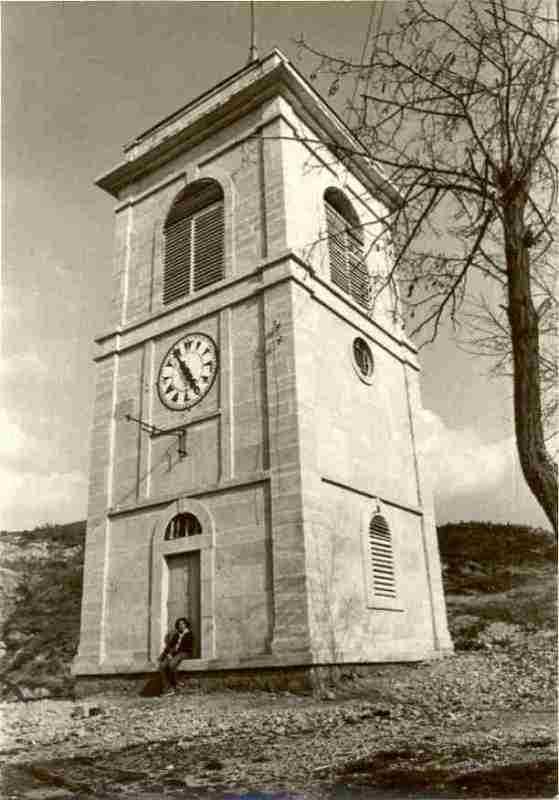
Kastamonu Clock Tower is a historical structure located on Sarayüstü Hill, behind the Government House (Governor’s Building), in the central district of Kastamonu, and is one of the city’s most recognizable symbols. Access to the tower is provided via stairs from Cumhuriyet Square. Built in 1885 by Governor Abdurrahman Pasha, the tower occupies a prominent place in Kastamonu’s skyline and serves as a landmark reflecting the city’s historical and cultural identity.
The Kastamonu Clock Tower was constructed in 1885 and is notable for its dial, said to have been sent by Sultan Abdülhamid II, measuring 1.60 meters in diameter. The tower, built of cut stone, has external dimensions of 5.60 by 5.60 meters and rises to a height of 13.10 meters from base to the tip of its dome-shaped roof. In its time, the tower was visible from all parts of the city and gradually became an emblem of Kastamonu. Restored in 2002, the structure now houses a café-restaurant and is one of the first buildings visitors notice when they disembark from tour buses.

Clock Tower (Kastamonu Municipality)
The Kastamonu Clock Tower is associated with various folk legends in which it is known as the “exiled clock”:
As an integral part of Kastamonu’s historical and cultural heritage, the Clock Tower plays a vital aesthetic and symbolic role in the city’s skyline. It stands out as a landmark that emphasizes Kastamonu’s identity and highlights the city’s aesthetic values. For both residents and visitors, the tower is one of the most recognizable symbols of Kastamonu.
Kastamonu Municipality. "Saat Kulesi." Accessed August 16, 2025. https://www.kastamonu.bel.tr/saat-kulesi.
Kültür Portalı. "Saat Kulesi - Kastamonu." Accessed August 16, 2025. https://www.kulturportali.gov.tr/turkiye/kastamonu/gezilecekyer/saat-kules528735.
Sakıcı, Çiğdem. “Kentsel Silüet Tasarımı: Kastamonu Örneği.” *Kastamonu University Journal of Forestry Faculty* 17, no. 4 (2017): 652–659. https://dergipark.org.tr/en/download/article-file/387937.

Construction Date(s) | 1885 | ||||||||
|---|---|---|---|---|---|---|---|---|---|
Commissioned by | Vali Abdurrahman Paşa | ||||||||
Location | Sarayüstü Tepesi Türkiye Kastamonu | ||||||||
No Discussion Added Yet
Start discussion for "Kastamonu Clock Tower" article
History and Architectural Features
Legends
Cultural and Urban Significance