This article was automatically translated from the original Turkish version.
+1 More
Location | Kayseri Türkiye | ||||||||
|---|---|---|---|---|---|---|---|---|---|
Foundation Date | 1 March 1930 (first museum) | ||||||||
Current Building Opening | 19 October 2019 | ||||||||
Initial Settlement | Hunat Hatun Medresesi | ||||||||
Number of Exhibited Works | 1.939 | ||||||||
Total Inventory | Approximately 38,000 artifacts | ||||||||
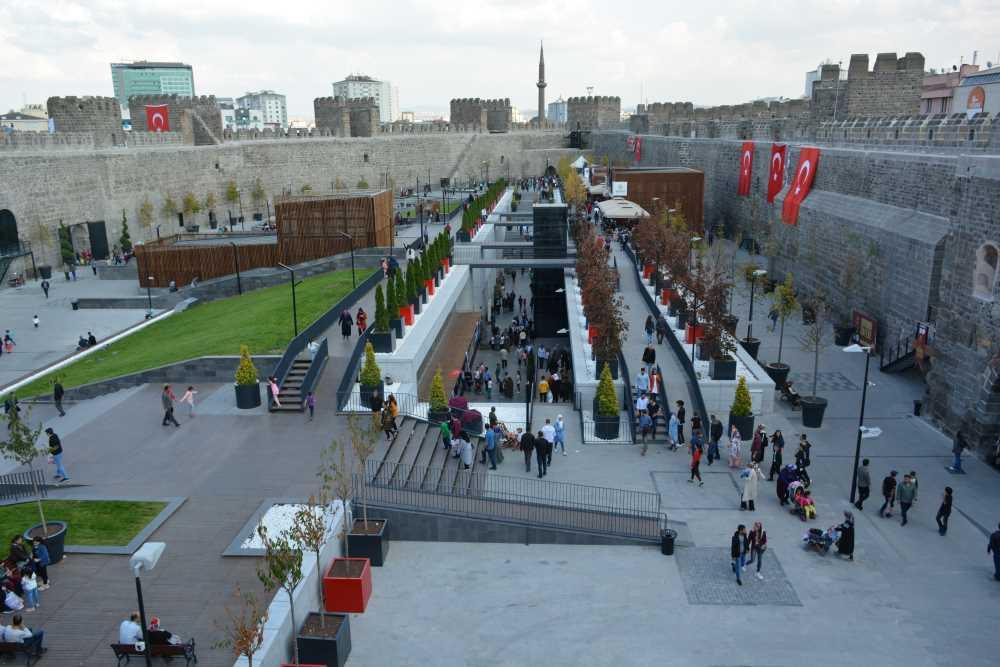
Kayseri Archaeology Museum is a cultural heritage institution located within Kayseri Castle in the city center of Türkiye. The museum operates to collect, preserve, scientifically classify, and exhibit archaeological artifacts from various historical periods found in Kayseri and its surroundings. The museum’s collection includes stone objects, statues, child mummies, clay tablets, coins, monumental tombs, tear bottles, cubes, ornaments, and fired clay artifacts spanning a broad chronological range from the 55th century BCE to the Ottoman period.
%252FAA-34654690.jpg&w=1280&q=75)
Kayseri Archaeology Museum (AA)
Museum activities in Kayseri began with the allocation of a room at Kayseri High School, in accordance with a circular issued by Osman Hamdi Bey aimed at preserving movable antiquities. During a visit to Kayseri in 1928, Minister of National Education Esat Bey decided to convert the collection into a museum. Under the efforts of Governor Fuat Bey, the Hunat Hatun Medresesi was restored and the museum opened on 1 March 1930. This first museum operated as a “Depot Museum” until 1937. After the chronological and scientific classification of the artifacts was completed in 1938, the museum was opened to the public.
The museum’s collection expanded rapidly following the commencement of excavations at Kültepe Kaniş/Karum in 1948 under the leadership of Professor Dr. Tahsin Özgüç. Due to the increasing number of artifacts, construction of a new museum building began in 1965 and it was opened to visitors on 26 June 1969.
This museum, which served for approximately 50 years, was relocated to a new building within Kayseri Castle after the completion of the castle’s restoration works and began operating at its current location on 19 October 2019.
Approximately 38,000 artifacts have been documented in the Kayseri Archaeology Museum, of which 1,939 are on permanent display. The artifacts, spanning from the 55th century BCE to the Late Ottoman period, are exhibited in chronological order. Statues, cuneiform clay tablets, tear bottles, ceramic vessels, monumental tomb finds, various ornaments, and especially notable child mummies are among the museum’s standout pieces. Through these artifacts, visitors are systematically presented with the thousands-of-years-long cultural history of Kayseri and its surroundings.
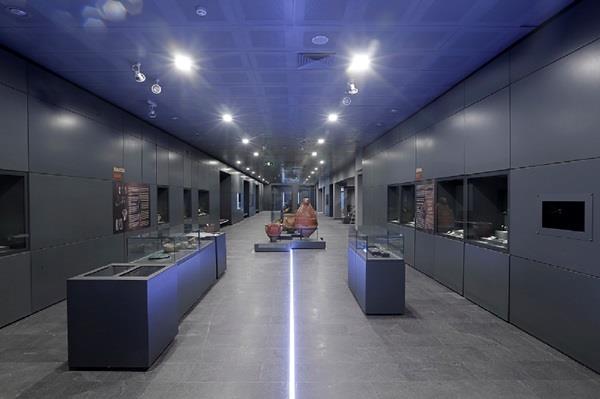
Kayseri Archaeology Museum (Kayseri Museum Directorate)
Following the completion of comprehensive restoration works at Kayseri Castle, the museum reopened in 2019 within a new building inside the castle. This restoration process was undertaken both to preserve the castle and to create a suitable exhibition space for the museum. As a result, the museum now has the opportunity to display a broader collection within the historical atmosphere of the castle.
Anadolu Ajansı. “Kayseri Kalesi'ndeki Müzede Binlerce Yıllık Eserler Sergileniyor.” AA.com.tr. May 19, 2024. https://www.aa.com.tr/tr/kultur/kayseri-kalesindeki-muzede-binlerce-yillik-eserler-sergileniyor/3228033.
Turkish Ministry of Culture and Tourism, General Directorate of Cultural Heritage and Museums. “Kayseri Müze Directorate.” *General Directorate of Cultural Heritage and Museums*. Accessed June 30, 2025. https://kvmgm.ktb.gov.tr/TR-295681/kayseri-muze-mudurlugu.html.
Turkish Ministry of Culture and Tourism. "Kayseri Arkeoloji Müzesi." *Müze.gov.tr*. Accessed June 30, 2025. https://muze.gov.tr/muze-detay?SectionId=KAR01&DistId=MRK.
Turkish Ministry of Culture and Tourism. “Arkeoloji Müzesi - Kayseri.” *Kültür Portalı*. Accessed June 30, 2025. https://kulturportali.gov.tr/turkiye/kayseri/gezilecekyer/arkeoloji-muzesi777797.

Location | Kayseri Türkiye | ||||||||
|---|---|---|---|---|---|---|---|---|---|
Foundation Date | 1 March 1930 (first museum) | ||||||||
Current Building Opening | 19 October 2019 | ||||||||
Initial Settlement | Hunat Hatun Medresesi | ||||||||
Number of Exhibited Works | 1.939 | ||||||||
Total Inventory | Approximately 38,000 artifacts | ||||||||
No Discussion Added Yet
Start discussion for "Kayseri Archaeological Museum" article
History
Comprehensive Collection and Exhibited Artifacts
Restoration Works