This article was automatically translated from the original Turkish version.
Registration Number | 961 | ||||||||
|---|---|---|---|---|---|---|---|---|---|
Registration Date | 02.12.2021 | ||||||||
Application Number | C2020/210 | ||||||||
Application Date | 29.07.2020 | ||||||||
Name of the Geographical Indication | Kelkit Ketesi | ||||||||
Product / Product Group(s) | Bakery and Confectionery Products Sweets Dough Products | ||||||||
Type of Geographical Indication | Certification Mark | ||||||||
Applicant/Registrant(s) | Kelkit Chamber of Commerce and Industry | ||||||||
Geographical Boundary | Kelkit District Gümüşhane Province | ||||||||
Kelkit Ketesi is a bakery and confectionery product produced within the geographical boundaries of the Kelkit district of Gümüşhane Province and officially registered as a geographical indication on 2 December 2021. The application was submitted on 29 July 2020, with registration number 961, issued by the Kelkit Chamber of Commerce and Industry.
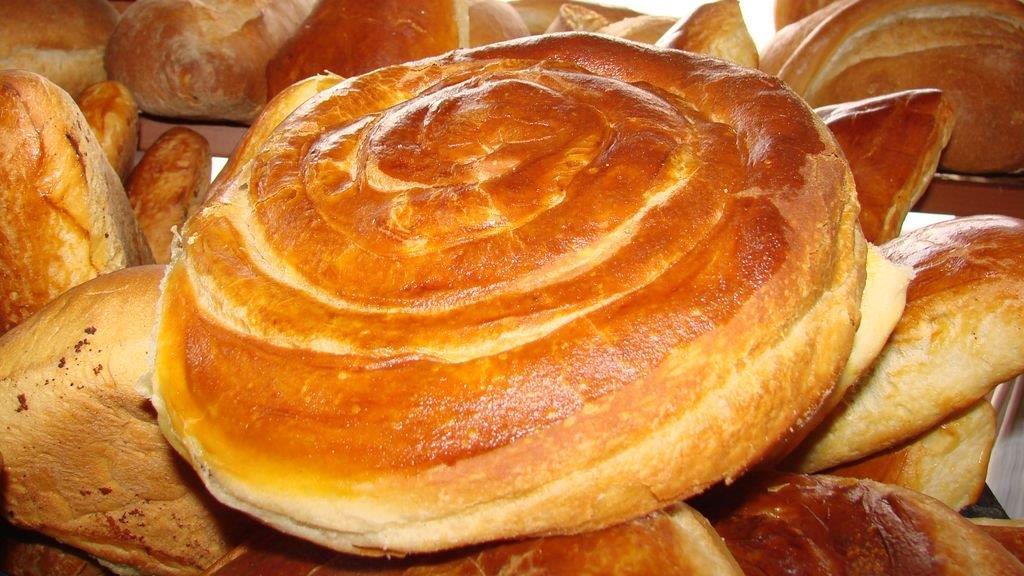
The product is prepared using wheat flour, water, salt, sourdough starter, egg, butter, and milk. It is unfilled, round in the shape of a rose, golden brown in color, and has a strong butter aroma. The weight of each unbaked dough piece is between 300 and 320 grams. The geographical indication label and the official emblem are displayed on the product or its packaging; when this is not possible, they are clearly visible at the production facility.

Kelkit Ketesi (Generated by Artificial Intelligence.)
Kelkit Ketesi is distinguished by its unfilled form, baking in a stone oven, and the specific ingredients used in its preparation. The dough is made from wheat flour, water, salt, sourdough starter, egg, milk, and butter. The dough is rolled out to the thickness of phyllo pastry, brushed with butter, rolled into a cylinder, and shaped into a rose. This method creates a layered texture that melts in the mouth.
Kelkit Ketesi is golden brown in color, round in the shape of a rose, and has an intense butter aroma. The weight of each unbaked dough piece ranges from 300 to 320 grams.
The product has a long history. Evliya Çelebi’s Seyahatname mentions the fame of the ketes from Çimen village in the Kelkit district. There are businesses in the district that have been producing it for over forty years. Additionally, Kelkit Ketesi is traditionally served at weddings, holidays, and when hosting guests. These features demonstrate a clear link between the product and its geographical origin.
Kelkit Ketesi is sold in packaging suitable for direct food contact. The geographical indication label and official emblem appear on the product itself or its packaging. When this is not feasible, the term “Kelkit Ketesi” and the official emblem are displayed prominently at the production facility.
In the production of Kelkit Ketesi, traditional ingredients sourced locally in the district—egg, milk, and butter—are used. The dough consists of 1.5 kg wheat flour, 200 g sourdough starter, 1 L water, 10 eggs, 20–25 g salt, 450–500 ml boiled and cooled milk, 450–500 g butter, and 300–400 g melted and cooled butter for brushing the pastry layers.
All ingredients are mixed in a large bowl until they form a medium-firm dough, then left to ferment for 30 minutes. The rested dough is divided into portions. Each portion is rolled out to the thickness of phyllo pastry, brushed with melted butter, rolled into a cylinder, and shaped into a rose. Egg yolk is then brushed over the shaped dough pieces.
The shaped ketes are baked for approximately 40 minutes in a stone oven heated to 200°C using wood fire. The weight of each unbaked Kelkit Ketesi dough piece is between 300 and 320 grams. The product is sold in packaging suitable for direct food contact.
Kelkit Ketesi is a product with deep historical roots, embedded in the traditions of the Kelkit district. Its production relies exclusively on milk, egg, and butter obtained within the geographical boundary. All stages of production are carried out entirely within the administrative boundaries of the Kelkit district of Gümüşhane Province. These characteristics establish a clear link between the product and its geographical origin.
Monitoring of Kelkit Ketesi is conducted by a four-member oversight body composed of representatives from the Kelkit Chamber of Craftsmen and Artisans, the Kelkit District Directorate of Agriculture and Forestry, the Kelkit Municipality, and coordinated by the Kelkit Chamber of Commerce and Industry. Inspections are carried out regularly every six months, as well as upon request or complaint.
Inspection criteria are as follows:
The oversight body may obtain services from experts, whether individuals or legal entities, from public or private institutions when necessary. The registering institution undertakes legal procedures to protect the rights associated with the geographical indication.
Turk Patent and Trademark Office. "Kelkit Ketesi." Turk Patent and Trademark Office. Accessed August 18, 2025. https://ci.turkpatent.gov.tr/Files/GeographicalSigns/a8e30116-ef48-4133-a51f-5b2f2e9f5d35.pdf.
Turk Patent and Trademark Office. "Kelkit Ketesi." Turk Patent and Trademark Office. Accessed August 18, 2025. https://ci.turkpatent.gov.tr/cografi-isaretler/detay/2422.

Registration Number | 961 | ||||||||
|---|---|---|---|---|---|---|---|---|---|
Registration Date | 02.12.2021 | ||||||||
Application Number | C2020/210 | ||||||||
Application Date | 29.07.2020 | ||||||||
Name of the Geographical Indication | Kelkit Ketesi | ||||||||
Product / Product Group(s) | Bakery and Confectionery Products Sweets Dough Products | ||||||||
Type of Geographical Indication | Certification Mark | ||||||||
Applicant/Registrant(s) | Kelkit Chamber of Commerce and Industry | ||||||||
Geographical Boundary | Kelkit District Gümüşhane Province | ||||||||
Distinctive Characteristics
Usage and Packaging
Ingredients
Production Method
Production and Processing Within the Geographical Boundary
Monitoring