

This article was automatically translated from the original Turkish version.
Keltepe Crocus (Crocus keltepensis) is an endemic species of the Iridaceae family, described from the Kartepe region (formerly Keltepe) in Kocaeli Province in northwestern Türkiye. This bulbous geophyte belongs to the group of crocuses that bloom in spring. The species holds scientific importance due to its limited distribution, distinct morphological characteristics, and known existence from only a single population.
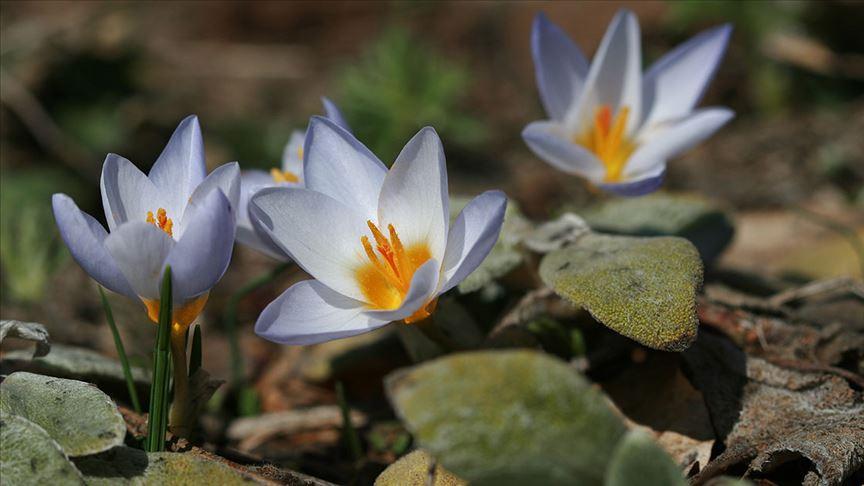
Keltepe Crocus (AA)
The genus Crocus Linnaeus (1753) encompasses over 200 species worldwide, approximately half of which occur in Türkiye. With around 140 taxa, Türkiye is one of the richest centers of distribution for this genus. Crocus keltepensis is classified within the group sect. Nudiscapus ser. Biflori of the genus Crocus. It shows close phylogenetic affinity particularly with Crocus pulchricolor.
The first specimens from the summit of Kartepe were collected in 1974 by Asuman Baytop and Ertan Tuzlacı and are preserved at the Herbarium of the Faculty of Pharmacy, Istanbul University. British botanist Brian Mathew initially identified these specimens as a subspecies of Crocus biflorus. However, subsequent studies revealed that the Keltepe population represented a distinct species. Field and laboratory research conducted between 2014 and 2019 confirmed its status as an independent taxon, leading to its formal scientific description in 2019 under the name Crocus keltepensis. The specific epithet derives from Keltepe, the location of its discovery.
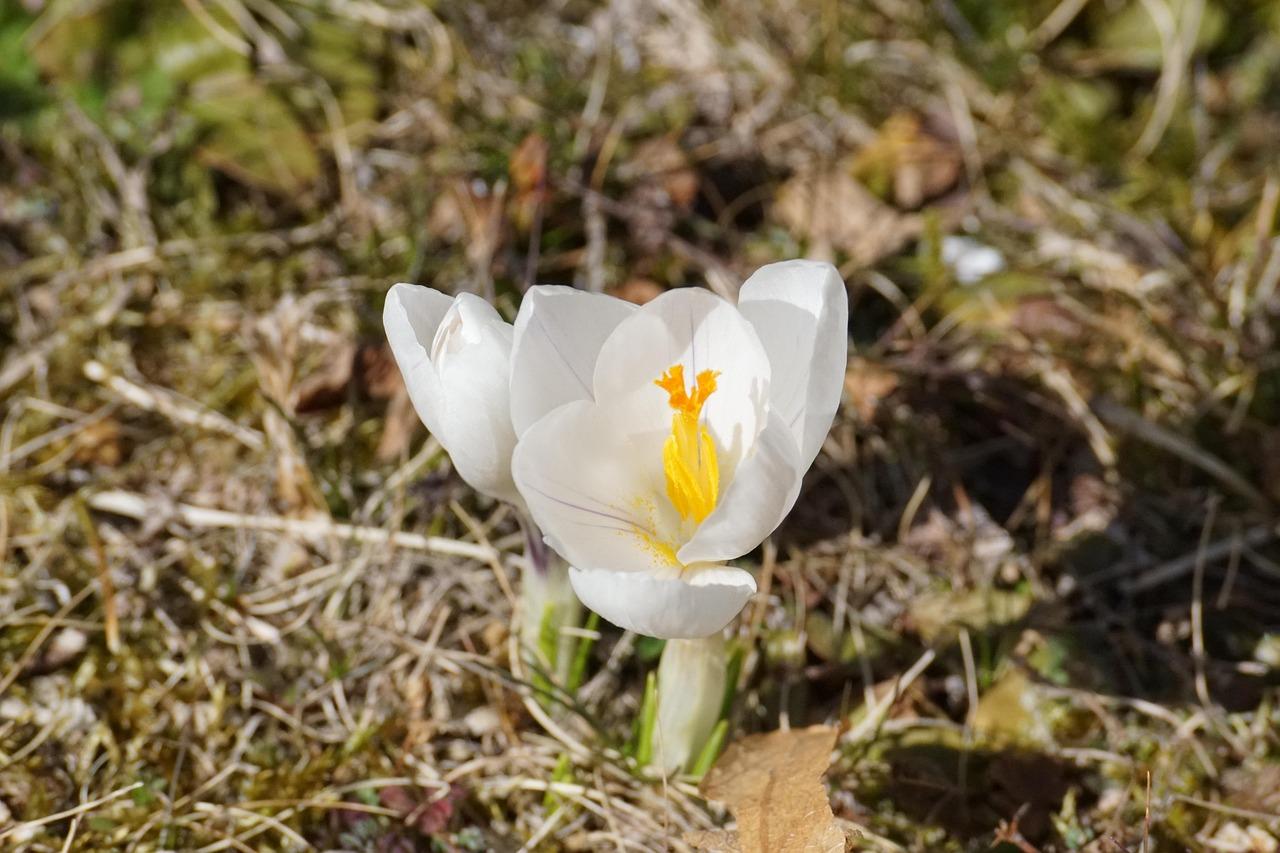
The bulb is 1–1.5 cm in diameter, with outer tunics that are membranous or leathery and bear prominent toothed rings at the base. Leaves number 3–6, dark green, 1.5–2.2 mm wide, with sparse ciliate margins and a central white stripe. Flowers are 1–2 in number, pale or dark lilac in color. Perianth segments can reach 30–39 mm in length; the throat is yellow-orange. Anthers are yellow, 13–16 mm long; the style is orange and trifid. Fruits are purple capsules formed at ground level. Seeds are light brown, ovoid, and distinctly winged.
Crocus keltepensis is morphologically most similar to Crocus pulchricolor. However, it differs in flower color, bulb tunic structure, leaf width, perianth dimensions, and seed surface features. For instance, the flowers of C. keltepensis are uniformly colored in lilac tones, whereas C. pulchricolor exhibits dark purple spots at the base of the flowers. Significant differences also exist in seed morphology.
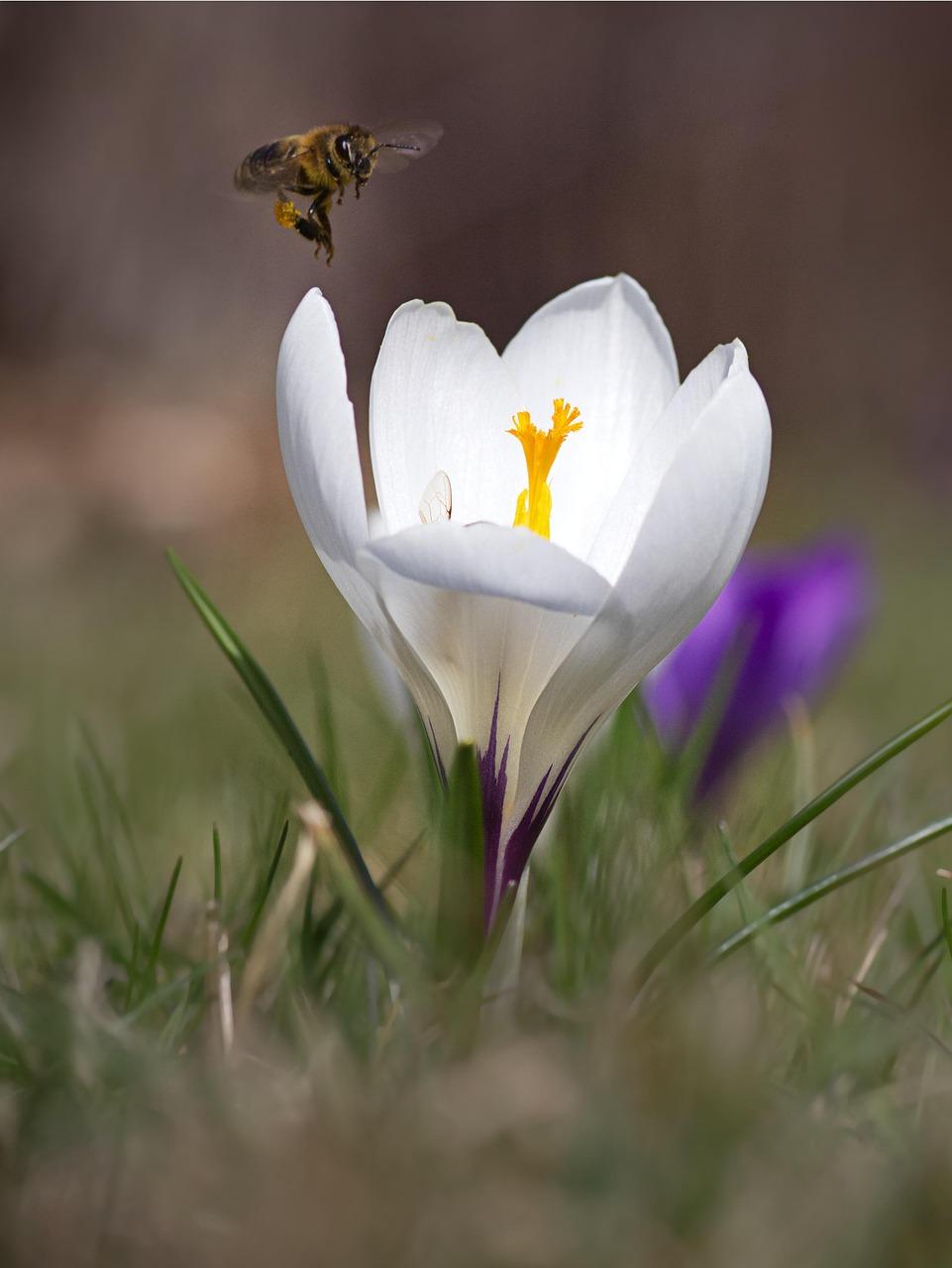
Keltepe Crocus (Pixel)
The species is known only from the summit of Kartepe in Kocaeli Province, at elevations of 1500–1650 meters. Its habitat consists of meadows and rocky openings; no specimens have been found under forest cover. Its distribution is extremely restricted, with only one known population.
The area occupied by Crocus keltepensis is very small, with its distribution confined to less than 10 km². The single known population has suffered habitat loss due to human activities, including the construction of a television transmitter in the past and current ski resort operations. Consequently, according to the criteria of the International Union for Conservation of Nature (IUCN), it is classified as Critically Endangered (CR).
Türkiye, with approximately 3,700 endemic plant species, is among the countries with the richest floras in Europe. It also holds a leading position globally in crocus diversity, with around 140 taxa contributing significantly to the global diversity of the genus. Crocus keltepensis is one of the important representatives of this diversity. It is a genetic resource requiring conservation at both regional and national levels and represents one of Türkiye’s unique species reflecting its floristic richness.
Anadolu Ajansı. “Keşfettiği endemik bitki türü 'Keltepe Çiğdemi' adıyla literatüre girdi.” Accessed August 24, 2025.
Pixabay. "Beyaz Çiğdem, Beyaz Çiçekler, Çiğdem görseli." Pixabay, March 15, 2022. Accessed August 24, 2025. https://pixabay.com/tr/photos/beyaz-%C3%A7i%C4%9Fdem-beyaz-%C3%A7i%C3%A7ekler-%C3%A7i%C4%9Fdem-7064223/.
Pixabay. "Çiğdem, Bal Arısı, Böcek görseli." Pixabay, December 22, 2021. Accessed August 24, 2025. https://pixabay.com/tr/photos/%C3%A7i%C4%9Fdem-bal-ar%C4%B1s%C4%B1-b%C3%B6cek-%C3%A7i%C3%A7e%C4%9Fi-6879700/.
Yüzbaşıoğlu, İbrahim Sırrı. “Crocus keltepensis (Iridaceae), a New Crocus Species from the Highest Part of the Samanlı Mountains, NW Turkey.” ResearchGate. Accessed August 24, 2025. https://www.researchgate.net/profile/Sirri-Yuezbasioglu/publication/336012690_Crocus_keltepensis_Iridaceae_a_new_Crocus_species_from_the_highest_part_of_the_Samanli_Mountains_NW_Turkey/links/5d91e945a6fdcc2554a6fa63/Crocus-keltepensis-Iridaceae-a-new-Crocus-species-from-the-highest-part-of-the-Samanli-Mountains-NW-Turkey.pdf.

No Discussion Added Yet
Start discussion for "Keltepe Saffron (Crocus keltepensis)" article
Systematic Position
Discovery and Nomenclature
Morphological Characteristics
Comparison with Similar Species
Distribution and Habitat
Ecology and Conservation Status
Significance in the Flora of Türkiye