

This article was automatically translated from the original Turkish version.
+2 More
Registration Number | 1021 | ||||||||
|---|---|---|---|---|---|---|---|---|---|
Registration Date | 04.02.2022 | ||||||||
Application Number | C2019/157 | ||||||||
Application Date | 01.11.2019 | ||||||||
Name of the Geographical Indication | Kilis Olive Oil | ||||||||
Product / Product Group(s) | Olive oil and butter including solid and liquid fats | ||||||||
Type of Geographical Indication | Geographical indication | ||||||||
Applicant/Registrant(s) | Kilis Trade Provincial Directorate | ||||||||
Address of the Registrant | Öncüpınar Neighborhood Provincial Special Administration Building Center KİLİS | ||||||||
Geographical Boundary | Kilis province | ||||||||
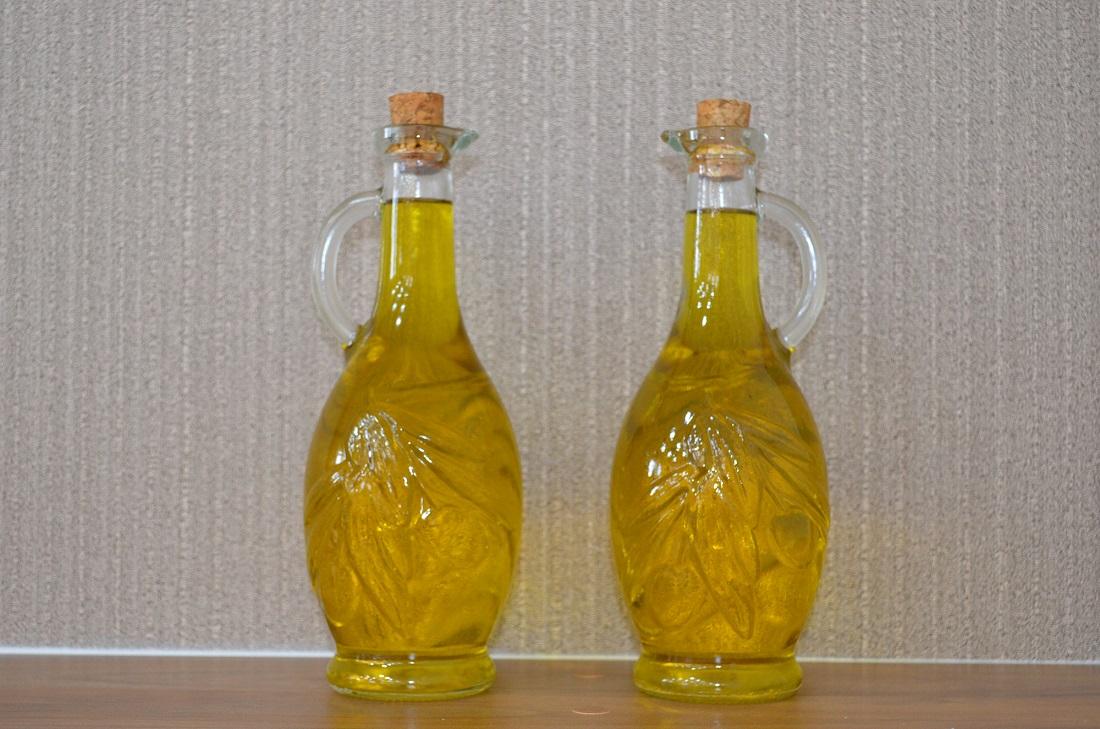
Kilis olive oil is a natural extra virgin olive oil obtained exclusively from “Kilis yağılık” variety olives grown in the province of Kilis. The product is produced by cold pressing the olive fruits immediately after harvest, without delay, using the cold extraction method. Its chemical composition includes high levels of oleic acid (%67.96) and various phenolic compounds.
Kilis olive oil is derived solely from the “Kilis yağılık” olive variety cultivated in the province of Kilis. This olive tree has a medium vigor structure and forms a broad, drooping canopy. The leaves are of medium length and width, with an elliptical shape. The trees are not sensitive to cold. The olive fruit is typically small and round, with a thin skin and a small pit. It contains approximately %33 oil by weight. The variety exhibits strong periodicity (a tendency to produce a high yield one year and a low yield the next). Care is taken during harvesting to collect the fruit without damaging its natural structure. The olives are processed immediately to preserve their characteristic properties.
The distinctive qualities of Kilis olive oil are determined by its fatty acid profile and phenolic compound content. The product contains the following key components:
These components define the sensory, chemical, and biological identity of Kilis olive oil.
The production process uses exclusively “Kilis yağılık” olives grown in the province of Kilis. While traditional orchard establishment methods using grafting were historically employed, modern plantations now rely on cuttings propagated from selected clones. Alongside traditional farming practices, modern techniques such as irrigation and fertilization are also applied.
Harvested olives are transported to processing facilities with minimal handling and waiting time. Olive oil production is carried out using two-phase continuous centrifugal systems based on the cold extraction principle. These machines operate on the centrifugal principle without applying mechanical pressure.
The production steps are as follows:
Separators use centrifugal force based on density differences to isolate olive oil from olive pomace water. These steps are designed to preserve the sensory and chemical qualities of the product.
Kilis olive oil can be produced only within the administrative boundaries of the province of Kilis. The link between the product and its geographical origin is established through the use of the unique “Kilis yağılık” olive variety, local knowledge, and production methods shaped by the region’s specific climate and soil conditions. All stages of production—from cultivation to extraction—must take place within the province of Kilis.
The packaging of Kilis olive oil must display the term “Kilis Zeytinyağı” and the official geographical indication emblem. If space on the packaging does not permit, these markings must be clearly displayed within the production facility.
Monitoring activities are coordinated by the Kilis Provincial Directorate of Trade. The monitoring board includes representatives from the following institutions:
Inspections are conducted at least once annually, and may be repeated as needed or in response to complaints. Inspection criteria include:
Expert support may be obtained from public or private sector specialists during inspections. The registering institution is responsible for safeguarding legal rights.
Turkish Patent and Trademark Office. "Kilis Zeytinyağı." Turkish Patent and Trademark Office. Accessed July 17, 2025. https://ci.turkpatent.gov.tr/Files/GeographicalSigns/c0acd7d0-b7c9-4ea6-b529-1cf7e2e3ddbf.pdf
Turkish Patent and Trademark Office. "Kilis Zeytinyağı." Turkish Patent and Trademark Office. Accessed July 17, 2025. https://ci.turkpatent.gov.tr/cografi-isaretler/detay/1122

Registration Number | 1021 | ||||||||
|---|---|---|---|---|---|---|---|---|---|
Registration Date | 04.02.2022 | ||||||||
Application Number | C2019/157 | ||||||||
Application Date | 01.11.2019 | ||||||||
Name of the Geographical Indication | Kilis Olive Oil | ||||||||
Product / Product Group(s) | Olive oil and butter including solid and liquid fats | ||||||||
Type of Geographical Indication | Geographical indication | ||||||||
Applicant/Registrant(s) | Kilis Trade Provincial Directorate | ||||||||
Address of the Registrant | Öncüpınar Neighborhood Provincial Special Administration Building Center KİLİS | ||||||||
Geographical Boundary | Kilis province | ||||||||
Botanical and Agricultural Characteristics
Chemical and Physical Characteristics
Production Method
Geographical Boundary and Production Linkage
Packaging and Use
Monitoring and Control Mechanism