This article was automatically translated from the original Turkish version.
+2 More
Registration Number | 1234 | ||||||||
|---|---|---|---|---|---|---|---|---|---|
Registration Date | 29.09.2022 | ||||||||
Application Number | C2019/194 | ||||||||
Application Date | 19.11.2019 | ||||||||
Name of the Geographical Indication | Kızıltepe Red Lentil | ||||||||
Product / Product Group(s) | Lentil / Other products | ||||||||
Type of Geographical Indication | Place of origin | ||||||||
Applicant/Registrant(s) | Kızıltepe Chamber of Commerce | ||||||||
Address of the Registrant | Atatürk Bulvarı Dündarlar İşmerkezi 529 Sokak Toprak Blok Kat:4 Kızıltepe 47400 MARDİN | ||||||||
Geographical Boundary | Mardin province Kızıltepe district | ||||||||
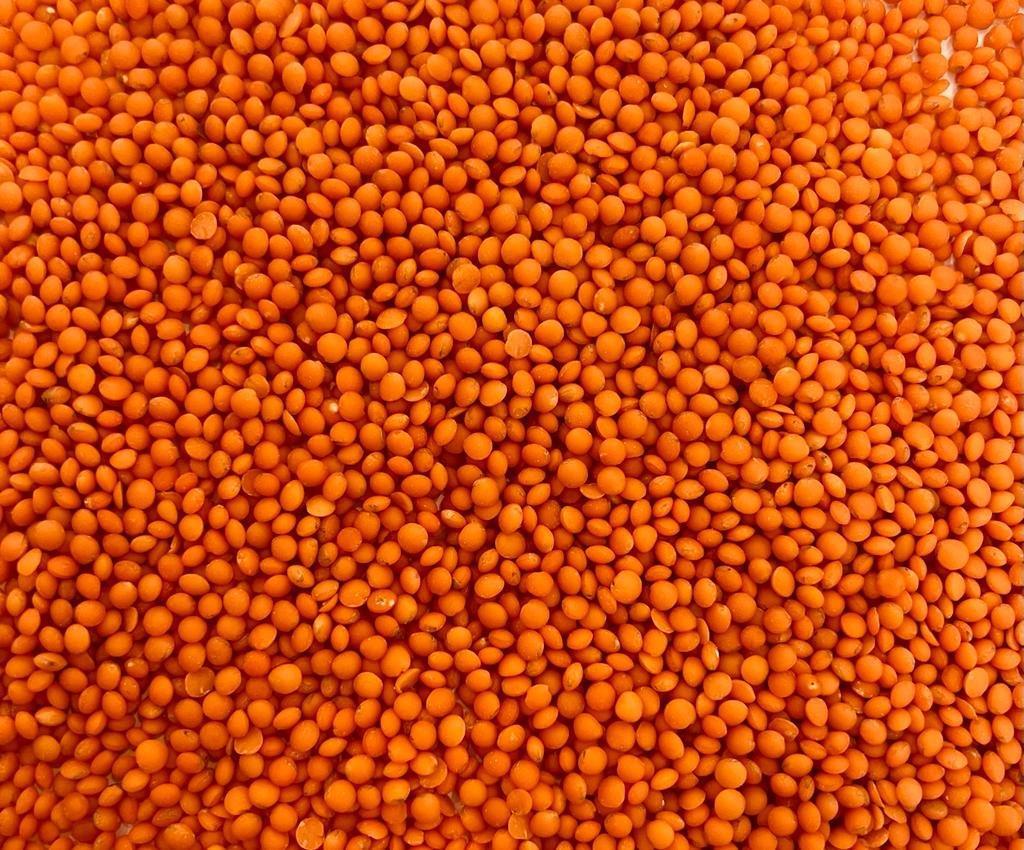
Kızıltepe Red Lentil is a variety of red lentil cultivated within the boundaries of Kızıltepe district in Mardin Province, Türkiye, and officially registered with a geographical indication bearing its place of origin. This lentil, derived from the species Lens culinaris Medik., is produced in two forms: leaf type (with split cotyledons) or football type (with intact cotyledons). The product features small, bright red seeds with high water absorption capacity, enabling long-term storage without spoilage due to its short cooking time and low moisture content. The unique combination of Kızıltepe’s clay-loamy, potassium-rich, slightly alkaline soil structure with the transitional characteristics of Mediterranean and continental climates determines both the physical properties and flavor profile of this lentil.
The Kızıltepe red lentil is obtained from winter-sown plants of the species Lens culinaris Medik.. The harvested product consists of dehulled lentil seeds and is produced in two distinct forms:
During production, both types may undergo a polishing process using sunflower oil, with a maximum oil content of 2.5% by total weight.
The Kızıltepe red lentil is characterized by bright red-orange hues when dehulled. Color values are as follows:
The chemical composition of both lentil types is similar in nutritional value:
The mineral content is also significant:
The distinctive qualities of the Kızıltepe red lentil are shaped by the unique climatic and soil conditions of Kızıltepe district.
In Kızıltepe, a mild Mediterranean climate transitions into a continental climate characterized by wet and mild winters and hot, dry summers.
These conditions support rapid maturation, high water absorption capacity, and low moisture content in the seeds. Low relative humidity ensures that harvested seeds remain dry, reducing the risk of insect infestation or mold during storage. Additionally, a high number of sunny days during the maturation period increases the concentration of red-orange pigments in the lentils.
Early maturation leads to earlier gelatinization of starch within the seeds, contributing to the short cooking time characteristic of Kızıltepe red lentil.
Harvesting is carried out in May using a combine harvester, reaper, or sickle.
Following threshing, lentil seeds undergo sorting to remove foreign materials. Storage is conducted in reinforced concrete or steel silos under conditions of 20–30 °C temperature and 20–35% relative humidity.
Hulled lentils are transported to processing facilities and undergo the following steps:
The product is packaged as either leaf type or football type. Packaging is carried out in OPP (polypropylene) materials in sizes ranging from 0.5 kg to 50 kg. Products of 5 kg and above may optionally be packed in laminated OPP sacks. Shelf life is two years under dry, cool conditions away from direct sunlight.
The production and marketing of Kızıltepe red lentil are regularly monitored at least twice annually by a five-member control authority coordinated by the Kızıltepe Chamber of Commerce. This authority comprises representatives from the following institutions:
Inspections are conducted at both field production stages and on market products. Key inspection criteria include:
Physicochemical analyses are performed when necessary. The control authority may obtain support from public or private experts or procure services as needed. Legal procedures for the protection of the geographical indication are carried out by the registering entity.
Turkish Patent and Trademark Office. "Kızıltepe Kırmızı Mercimeği Coğrafi İşaret Tescil Belgesi." Accessed July 14, 2025. https://ci.turkpatent.gov.tr/Files/GeographicalSigns/972d571a-f54c-48af-848c-e467defffaae.pdf.
Turkish Patent and Trademark Office. “Kızıltepe Kırmızı Mercimeği.” Accessed July 14, 2025. https://ci.turkpatent.gov.tr/cografi-isaretler/detay/1211.

Registration Number | 1234 | ||||||||
|---|---|---|---|---|---|---|---|---|---|
Registration Date | 29.09.2022 | ||||||||
Application Number | C2019/194 | ||||||||
Application Date | 19.11.2019 | ||||||||
Name of the Geographical Indication | Kızıltepe Red Lentil | ||||||||
Product / Product Group(s) | Lentil / Other products | ||||||||
Type of Geographical Indication | Place of origin | ||||||||
Applicant/Registrant(s) | Kızıltepe Chamber of Commerce | ||||||||
Address of the Registrant | Atatürk Bulvarı Dündarlar İşmerkezi 529 Sokak Toprak Blok Kat:4 Kızıltepe 47400 MARDİN | ||||||||
Geographical Boundary | Mardin province Kızıltepe district | ||||||||
No Discussion Added Yet
Start discussion for "Kızıltepe Red Lentil" article
Botanical Characteristics and Product Types
Physical Characteristics
Seed Dimensions
Hydration Capacity
Cooking Time
Color Characteristics
Physicochemical Characteristics
Geographical Characteristics and Growing Environment
Soil Structure
Climatic Conditions
Production Process
Field Preparation and Sowing
Cultivation
Harvesting and Processing
Dehulled Lentil Production
Monitoring and Control