
This article was automatically translated from the original Turkish version.
Kökin Erkey Epic is one of the oral narratives belonging to the Altay Turk epic tradition, focusing on the maturation of a hero through supernatural events, various trials, and struggles. The epic embodies the Altay epic tradition’s conception of the mythic cosmos, its understanding of heroism, and its belief systems. The narrative centers on the events befalling the hero Kökin Erkey, through which themes such as individual struggle, preservation of social order, and the concept of fate come to the fore. The hero’s experiences are structured not merely as a personal journey but as a process deeply relevant to the community. In this sense, the Kökin Erkey Epic is regarded as one of the significant oral cultural products reflecting the worldview, value system, and cosmic perspective of the Altay Turks. Its transmission within the oral tradition has contributed to the continuity of the Altay epic tradition across generations and played a vital role in preserving cultural memory. The structure and content of the narrative also draw attention for offering indirect insights into the social and cultural life of the Altay Turks.
The plot of the Kökin Erkey Epic begins when the hero departs from his ordinary world and enters an unknown and dangerous journey. During this journey, Kökin Erkey undergoes a series of trials and is tested both physically and spiritually. The struggles depicted in the epic are not limited to conflicts with external enemies; the hero’s confrontation with fate and his resilience in the face of adversity are also central elements of the narrative. The plot follows a structure common in Altay epics, comprising stages of testing, struggle, and ultimate attainment. Each event experienced by the hero functions as a step in the narrative progression, making visible his process of maturation.
The sequencing of events in the epic is a crucial element that determines its rhythm. The difficulties faced by the hero escalate in a deliberate order, intensifying the narrative’s dramatic structure. This demonstrates that the Kökin Erkey Epic is not merely a recounting of events but possesses a coherent narrative architecture. This structural pattern aligns with commonly found narrative features in the Altay epic tradition.
When examined through the framework of Joseph Campbell’s monomyth (hero’s journey) theory, the Kökin Erkey Epic exhibits a structure consistent with a universal narrative pattern. The hero’s departure from the ordinary world, his passage through various trials, and his completion of a transformative process are clearly discernible【1】. The obstacles and supernatural events encountered by Kökin Erkey reveal that his journey entails not only physical trials but also a profound spiritual maturation. In this context, the epic contains cultural and mythic elements specific to the Altay epic tradition while also presenting a narrative structure that can be related to universal heroic tales.
Kökin Erkey is presented as a figure embodying the distinctive traits of the alp-hero type in the Altay epic tradition. The hero is depicted not merely as possessing extraordinary physical strength but as one whose achievements stem from more than brute force. Intelligence, determination, and spiritual support play vital roles in Kökin Erkey’s struggles. The challenges he faces are portrayed as formative elements that shape his personality and character. Kökin Erkey transcends the role of an individual warrior; he is a figure representing the community and contributing to the maintenance of social order.
These characteristics align with the general traits of the idealized alp figure in Altay epics. The attitudes and behaviors exhibited by Kökin Erkey throughout the narrative bring to the forefront values such as courage, patience, and resolve. In this regard, Kökin Erkey is not only a narrative character but also a symbolic figure representing the community’s values.
Mythic elements form one of the foundational components of the Kökin Erkey Epic. Supernatural beings, extraordinary places, and symbolic events are integral to shaping the narrative world. The Altay conception of a three-tiered cosmos—sky, earth, and underworld—is reflected in Kökin Erkey’s journey and the powers he encounters. This layered understanding of the universe is regarded as a significant expression of the Altay Turks’ mythic worldview.
Mythic elements in the epic do not merely serve decorative purposes; they function as structural components that deepen the meaning of events. The hero’s movement within this mythic framework strengthens the narrative’s connection to the belief system. This demonstrates that the Kökin Erkey Epic is a vital oral narrative reflecting the mythological thought structure of the Altay Turks.
The Kökin Erkey Epic is a significant narrative that exhibits traditional features in both its structure and thematic content within the Altay epic corpus. It reflects the core characteristics of the Altay epic tradition by incorporating elements such as heroism, struggle, testing, and a mythic conception of the world. Transmitted within the oral cultural context, this epic has secured an important place in the cultural memory of the Altay Turks. While sharing common motifs and narrative elements with other Altay epics, the Kökin Erkey Epic stands out for placing the hero’s personal journey at its center.

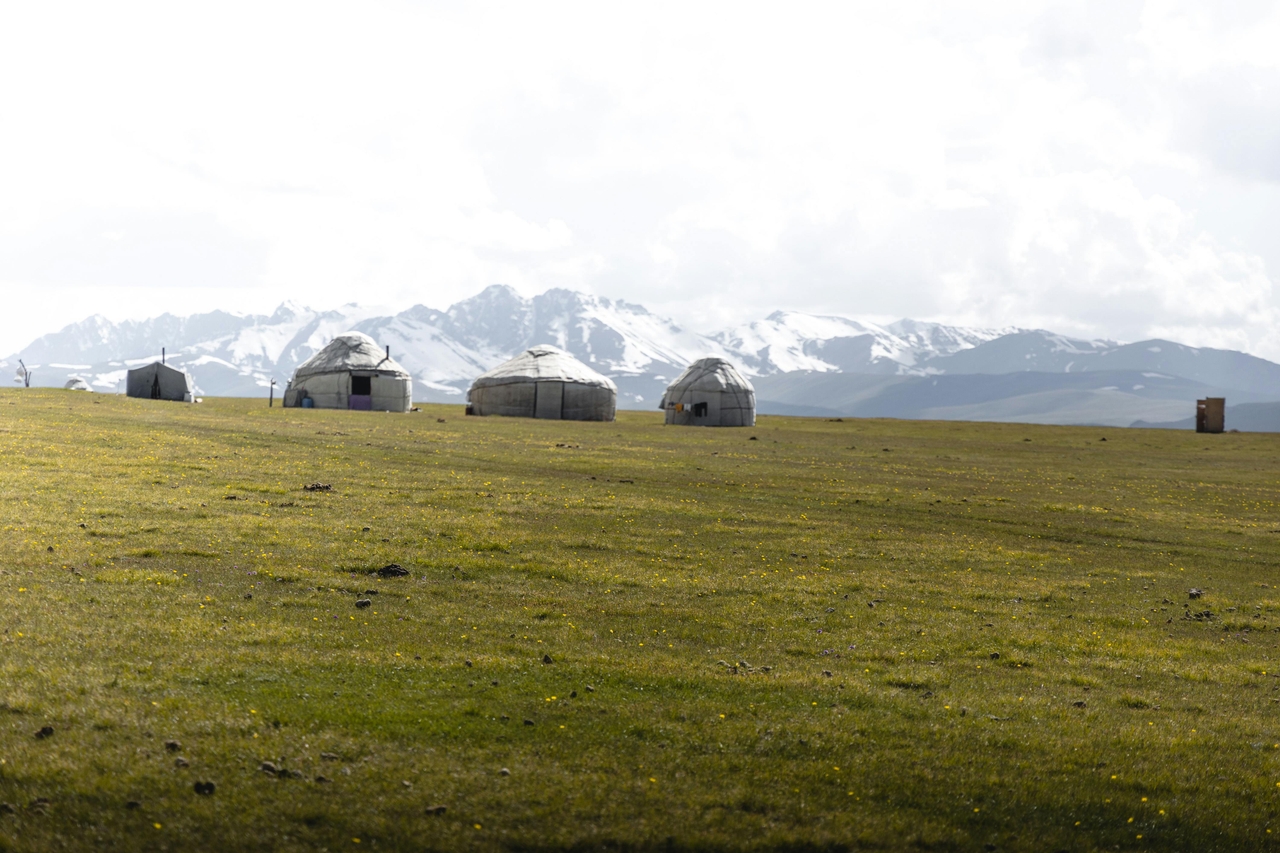
Representative mountainous Central Asian landscape where Altay Turk epics emerged. (pexels)
The narrative structure of the epic aligns with the epic storytelling features commonly found in the Altay tradition. The hero’s relationship with nature and supernatural forces, the trials he faces during his struggle, and the function of these trials within the narrative all parallel the general structural characteristics of Altay epics. In this sense, the Kökin Erkey Epic is viewed not only as an independent narrative within the Altay epic tradition but also as an integral part of the broader epic tradition.
Moreover, its transmission within the oral culture underscores the continuity and vitality of the Altay Turks’ epic storytelling tradition. The epic functions not merely as a narrative of the past but as a cultural carrier that transmits social values, belief systems, and cultural codes across generations. In this context, the Kökin Erkey Epic occupies a prominent place among the vital oral narratives that reflect both the thematic and functional dimensions of the Altay epic tradition and affirm its enduring continuity.
[1]
Arıkan, Sine Elif. 2021. “Campbell’in Monomit Kuramı Bağlamında Kökin Erkey Destanı.” Kültürel Miras Araştırmaları Dergisi 2, sayı 1: 16–21.
Erişim tarihi: 1 Şubat 2026. https://dergipark.org.tr/en/download/article-file/1919892

Subject and Plot Structure
Kökin Erkey Epic in the Context of Campbell’s Monomyth Theory
Hero Type and Characteristics
Mythic Elements and Belief Motifs
The Place of the Kökin Erkey Epic in the Altay Epic Tradition