This article was automatically translated from the original Turkish version.
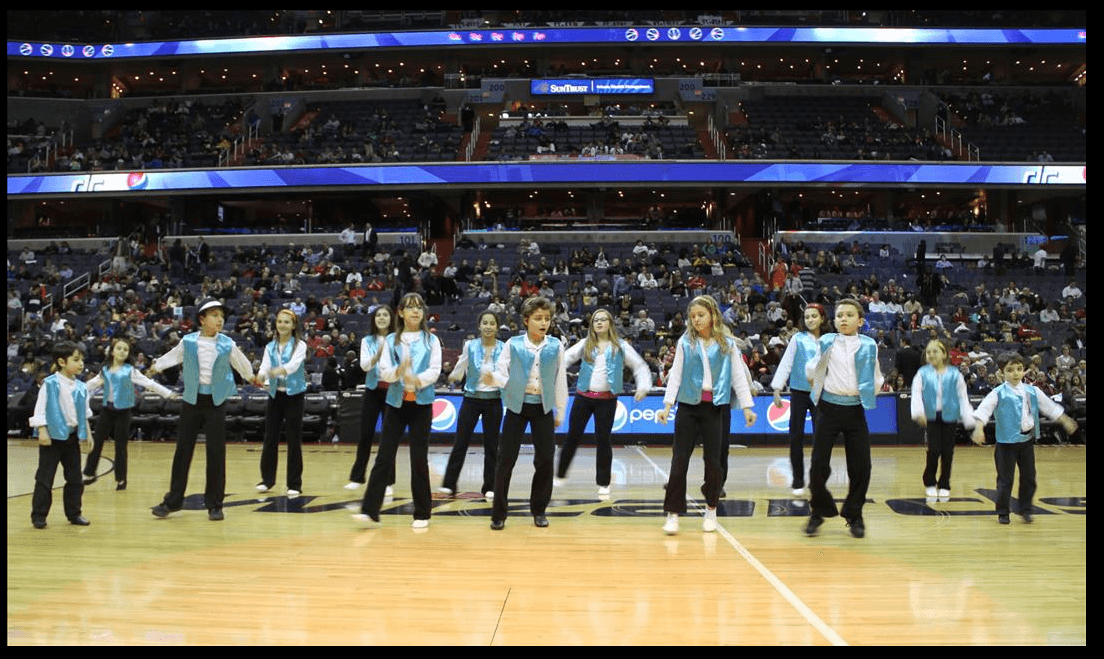
Kolbastı is a musical folk dance distinguished by its lively and energetic rhythm, particularly performed in the Trabzon region. It is also locally known by names such as "metelik," "hoptek," or "Faroz kesmesi." It is generally accepted to have emerged more recently compared to traditional horon dances. The dance’s movements feature improvised and dramatized gestures that evoke combat, wrestling, injury, and falling. Today, while preserving its regional identity, Kolbastı has become part of the national popular culture and entertainment landscape.
The historical origins of Kolbastı and the source of its name remain uncertain due to the lack of definitive documentation, leading to various theories among folklore and ethnology scholars. Two main perspectives exist regarding its emergence and spread.
According to this view, the name Kolbastı derives from incidents during the late Ottoman period when rural folk festivities were disrupted by local police forces known as "kolcu." The confusion and sudden flight of participants during these raids are believed to have inspired the dance’s dynamic and abrupt movements.
This theory holds that Kolbastı originated during a circumcision celebration in Faroz Neighborhood of Trabzon in the 1960s, when two feuding local kabadayıs were reconciled by performing a mock combat routine, which was then imitated by neighborhood residents. This theory also explains the local name "Faroz kesmesi." Folklorist Özhan Öztürk notes that before 1943, sailors living in Trabzon referred to the dance as "Hoptek," and that the name "Faroz kesmesi" derives from Faroz Neighborhood, whose name itself comes from the Greek word for "lighthouse."
The distinct developmental path of Kolbastı compared to traditional folk dances has raised the question in folkloric literature: "Is Kolbastı a folk dance?" Two main viewpoints have emerged:
Kolbastı is also notable for its lively and memorable music. Traditional instruments such as the kemençe, davul, and zurna remain indispensable to the performance. The kemençe, in particular, is the primary instrument that defines the dance’s rhythm and emotional character. Over time, modern instruments such as the electro bağlama have been introduced in wedding and festive settings. Artists such as Erkan Ocaklı and İsmail Yazıcıoğlu have played a significant role in accelerating the musical tempo and shaping the dance’s contemporary form.
Anadolu Ajansı. "NBA'de Kolbastı şov." Accessed August 15, 2025. https://www.aa.com.tr/tr/pg/foto-galeri/nbade-kolbasti-sov.
Aygün, Necmettin. "Kolbastı Oyunu: Tarihsel Değerlendirme." Academic article. https://www.academia.edu/23441970/Kolbast%C4%B1_Oyunu_Tarihsel_De%C4%9Ferlendirme.
Pelikoğlu, Mehmet Can. "Trabzon Yöresi Halk Müziği ve Kolbastı." *Atatürk Üniversitesi Güzel Sanatlar Enstitüsü Dergisi* 18, no. 34 (2015): 23-38. https://dergipark.org.tr/tr/pub/ataunigsfd/issue/2604/33519.
Ötken, Nihal, and İlke Kızmaz. "Bir halk oyununun popülerleşmesi; endüstrinin yeni ürünü 'Kolbastı'." *Uluslararası İnsan Bilimleri Dergisi* 9, no. 1 (2012): 85-98. https://www.jhumansciences.com/ojs/index.php/IJHS/article/download/2091/862/0.

Historical Origins and Etymological Debates
Theories on the Origin of the Name
The Kolcu Raid Theory
The Faroz Kabadayı Theory
Debate on Its Identity as a Folk Dance
Musical Structure and Rhythm