


This article was automatically translated from the original Turkish version.
Koleda (AA)
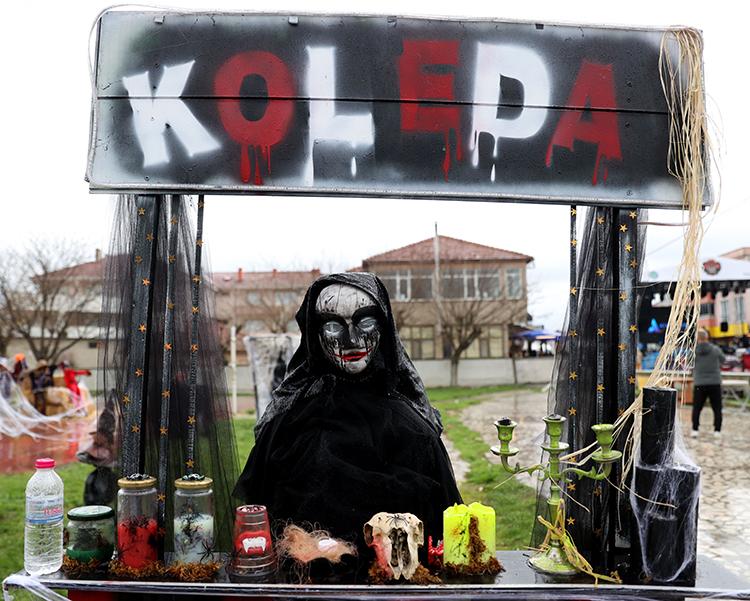
Koleda is a long-standing folk tradition still practiced today in the Balkans and Thrace, rooted in the winter solstice rituals of Slavic peoples. Historically emerging from pagan winter solstice celebrations, this custom merged with the observance of Christmas Eve following the spread of Christianity, forming a hybrid cultural structure. Its fundamental purpose is to drive away evil spirits, invite abundance, and strengthen social cohesion during the coldest period of winter.
Koleda (AA)
The Koleda tradition symbolizes the rebirth of the sun and the awakening of nature in Slavic mythology. Rituals are traditionally performed from midnight until dawn on Christmas Eve. According to belief, the mystical power embodied in the ritual ends with the sunrise.
Koleda takes place during the period from midnight until dawn. During this time, various folkloric elements are incorporated, including songs, proverbs, jokes, and entertaining narratives that form essential parts of the night. Groups singing Koleda songs visit homes, spreading merriment while receiving food and offerings from householders.
Koleda (AA)
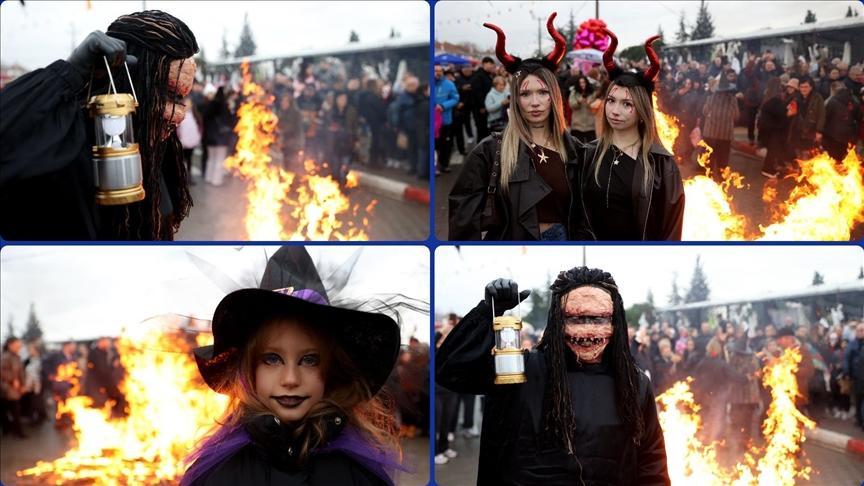
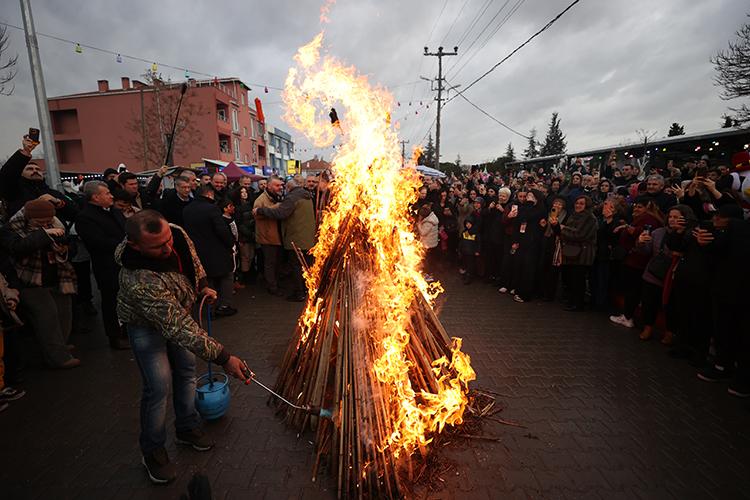
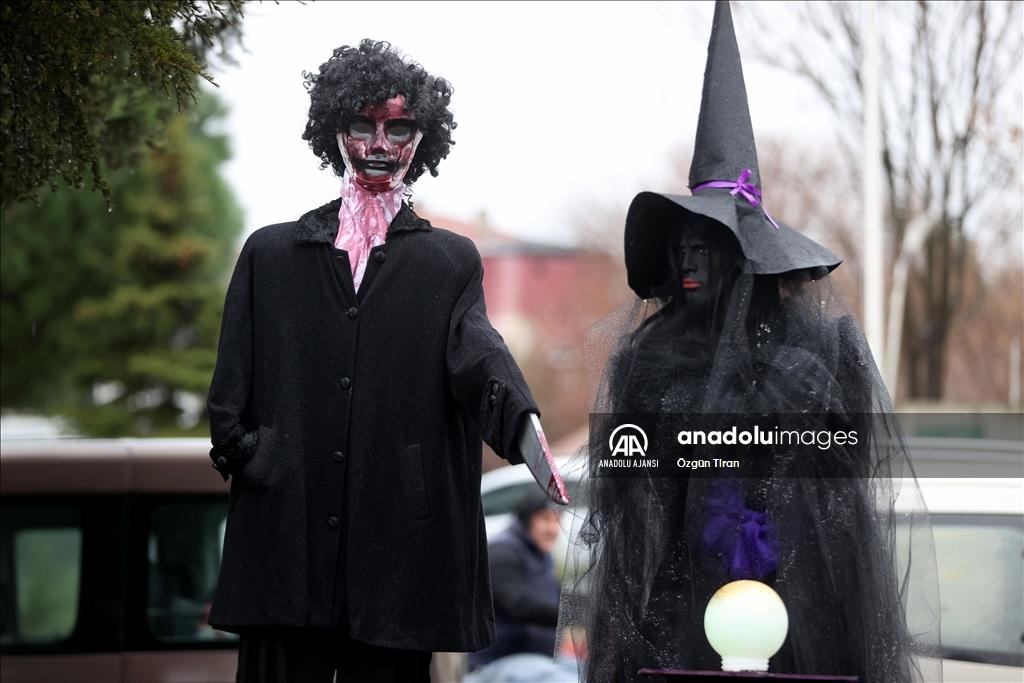
Fire holds a central place in Koleda rituals. Large bonfires are lit to expel evil spirits and ensure prosperity. In addition, homes are decorated with branches, leaves, and candles. Traditional foods are prepared; in some regions, meatless dishes are preferred, while in others, animal sacrifice and sharing of meat occur. Masked processions and costumed performances are among the most striking features of Koleda.
Koleda (AA)
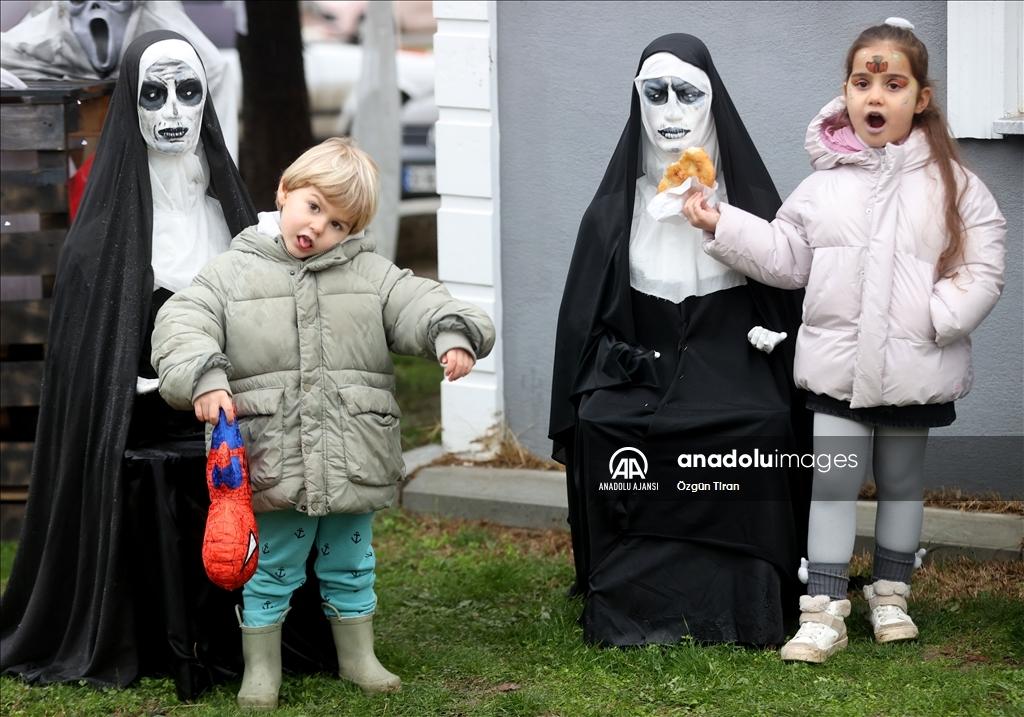
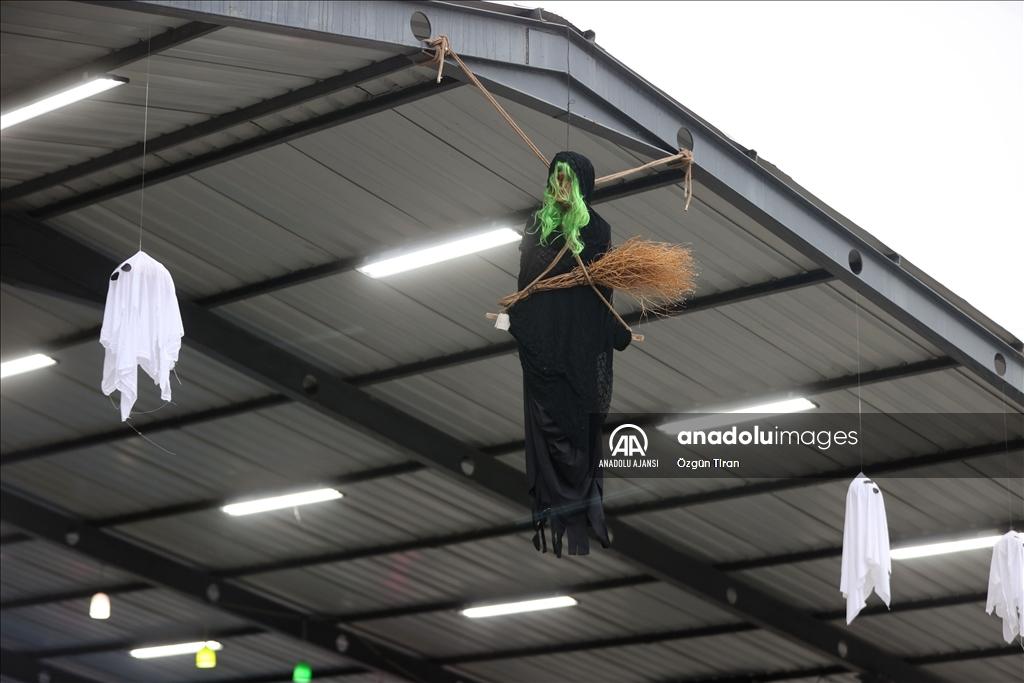
In Türkiye, Koleda survives as a Balkan tradition preserved particularly in the village of Büyükmandıra, within the Babaeski district of Kırklareli in Thrace. During the coldest nights of winter, participants paint their faces, wear masks, and wrap themselves in white sheets as they go door to door, attempting to frighten residents by knocking or making loud noises.
Koleda (AA)
This practice is not merely a game of fright; it is also an activity that strengthens social solidarity. By tradition, householders offer food such as pumpkin dessert to the visitors. This exchange is regarded as a key element in reinforcing neighborhood ties. During the event, a Koleda fire is also lit, and participants gather to enjoy music and communal celebration.
Koleda (AA)
In Büyükmandıra, Koleda events organized regularly by the municipality have become a cultural activity attracting both local and international participants. Each year, hundreds of people take part, ensuring the tradition’s transmission from generation to generation. Thus, Koleda remains both a cultural heritage preserving its historical roots and a living tradition reinterpreted within contemporary social life.


Historical Origins
Implementation Process
Rituals and Symbolic Elements
The Koleda Tradition in Türkiye (Thrace Example)
Social Function and Culture of Sharing
Koleda Events Today