

This article was automatically translated from the original Turkish version.
Common Sorrel (Rumex acetosa L.) is a perennial herb belonging to the Polygonaceae family, known for its sour-tasting leaves and cultivated or wild growth. This nutrient-rich plant is widely used in traditional medicine and culinary practices. It is notable for its high content of vitamins, minerals, and antioxidants.
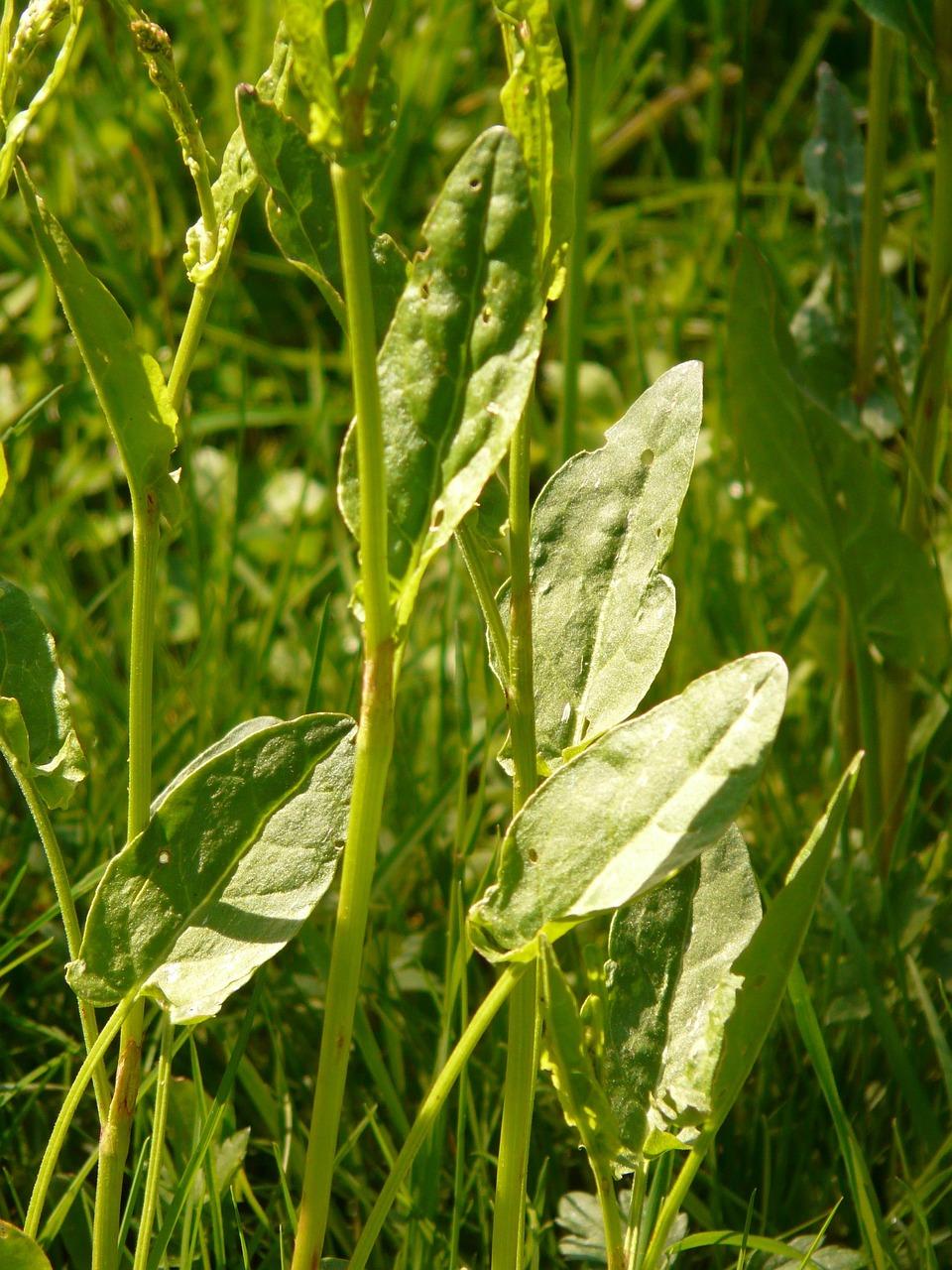
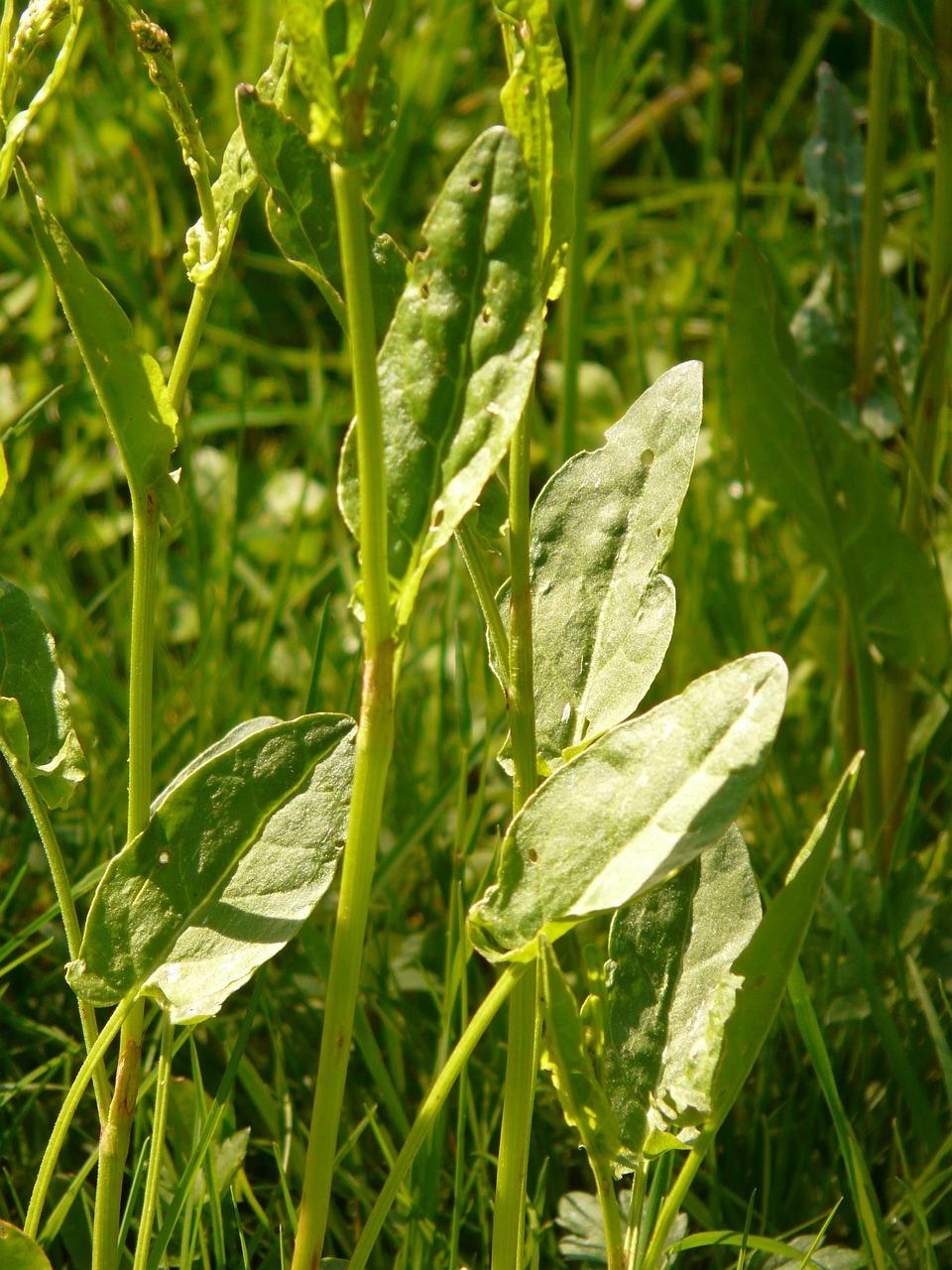
Common Sorrel (Kuzukulağı) Plant - Pixabay
Common sorrel is a perennial herbaceous plant of the Polygonaceae family and is classified within the Plantae kingdom under the Tracheophyta division. It reaches a height of 30 to 100 cm and is recognized by its deep taproot system and distinctive sour taste.
The leaves are long-stalked, lance-shaped, and bright green. The plant features a hollow stem and greenish-red flowers. It blooms between May and July, is wind-pollinated, and produces three-angled brown fruits.
In Türkiye, it is commonly found in the Black Sea, Marmara, and Aegean regions. It prefers moist meadows, forest clearings, and riverbanks. It grows naturally in the temperate regions of Eurasia and North America.
Chemical Composition
The leaves contain 1.2 to 2.5 percent oxalic acid. The vitamin C content ranges from 20.67 to 26.88 mg per 100 grams of fresh leaves. It also contains flavonoids such as quercetin and rutin, along with various phenolic compounds. It is rich in potassium, calcium, and iron minerals.
The plant has strong antioxidant and antimicrobial effects, with an ORAC value of 7500 to 9000 μmol TE/100 g. Traditionally, it has been used to treat digestive disorders and as a diuretic. In modern applications, it is utilized in the food and cosmetic industries.
Soil preparation is carried out in autumn, followed by sowing 1 to 1.5 kg of seeds per hectare. Row spacing is maintained at 40 to 50 cm. The plant can be harvested when it reaches a height of 15 to 20 cm and can be harvested three to four times per year.
Health Benefits
Due to its high oxalic acid content, daily consumption exceeding 50 grams is not recommended. Cooking reduces oxalate content by 30 to 40 percent. Individuals with kidney failure or gout should avoid consumption.
Doğan, H. 2025. "Rumex acetosella (Kuzukulağı)." *Kocaeli Bitkileri.* May 2, 2025. Accessed August 4, 2025. https://kocaelibitkileri.com/content/rumex-acetosella-kuzukulagi/.
Karataş, F. (2013). Kuzukulağı (Rumex acetosella L.) bitkisinin A, E ve C vitamini içeriğinin belirlenmesi. *Fırat Üniversitesi Fen Bilimleri Dergisi*, 25(1), 19–25. Accessed August 4, 2025. https://dergipark.org.tr/tr/download/article-file/193859
Keser, Fatma; Karatepe, Mustafa; Keser, Serhat; Tekin, Suat; Türkoğlu, İsmail; Kaygılı, Ömer; Demir, Ersin; Yılmaz, Okkes; Sandal, Süleyman; Kırbağ, Sevda. "Rumex acetosella L. (Kuzukulağı)'nın In Vitro Antiradikal, Antimikrobiyal, Antikanser ve Fitokimyasal Özellikleri." *Fen Bilimleri Dergisi* 9, no. 2 (2022): 683-692. Accessed August 4, 2025. https://dergipark.org.tr/tr/download/article-file/1969543

Taxonomy and General Characteristics
Morphological Characteristics
Distribution and Habitat
Pharmacological Properties
Agricultural Cultivation
Toxicological Properties