


This article was automatically translated from the original Turkish version.
+1 More
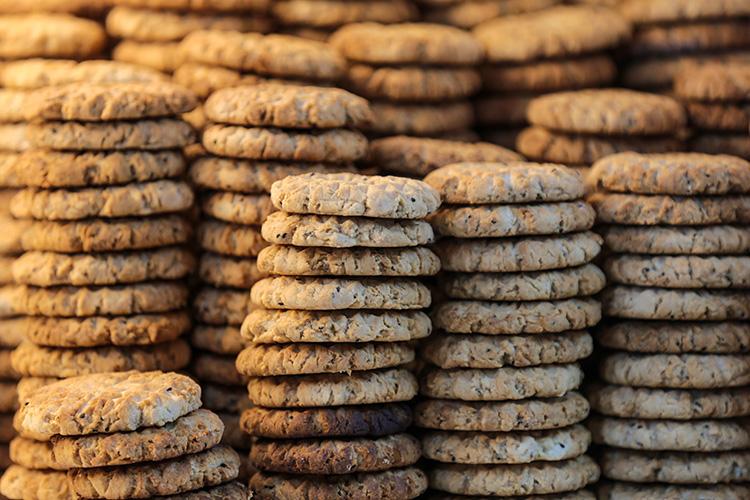
Maraş Çöreği
Registration Number | 361 | ||||||||
|---|---|---|---|---|---|---|---|---|---|
Application Number | C2016/089 | ||||||||
Application Date | 2016-09-19 | ||||||||
Registration Date | 2018-06-13 | ||||||||
Geographical Indication Type(s) | Mahreç İşareti | ||||||||
Product / Product Group(s) | Çörek | ||||||||
Maraş çöreği is a traditional bakery product made from flour, water, margarine, fresh yeast, salt, and caraway seeds, distinguished by its unique ingredients and preparation technique specific to the Kahramanmaraş region.
Maraş Çöreği belongs to the category of çörek products. This geographical indication was registered on 13 June 2018 under the Industrial Property Law No. 6769, granting protection effective from 19 September 2016.
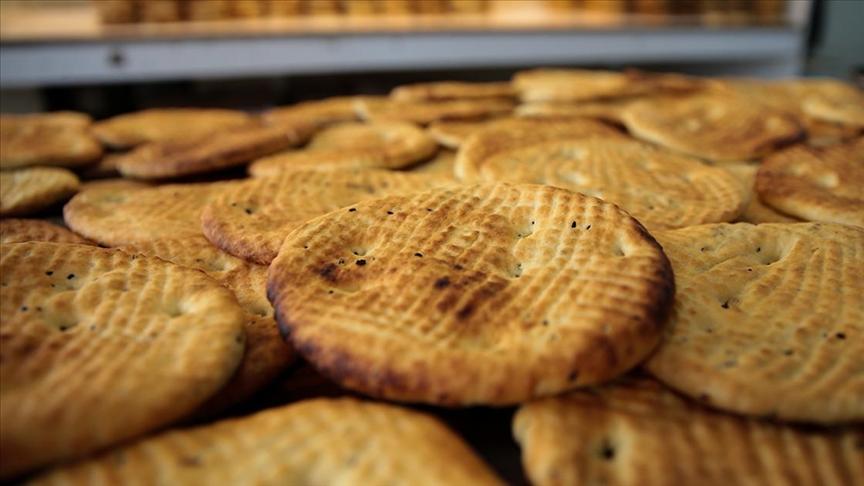
Maraş Çöreği (AA)
The most distinctive feature of Maraş çöreği is the use of a notched carob wood rolling pin to roll out the dough pieces into ribbed patterns, with each rolled piece having a maximum diameter of 15 cm. The notched carob rolling pin is a specialized tool crafted by Maraş carpenters from carob wood, measuring 8 cm in width and 33 cm in length, with groove depth and spacing of 0.5 cm each. The baked çörek has a thickness of approximately 8 mm.
Ingredients: The basic ingredients and their proportions used in the production of Maraş çöreği (based on 10 kg of flour) are as follows:
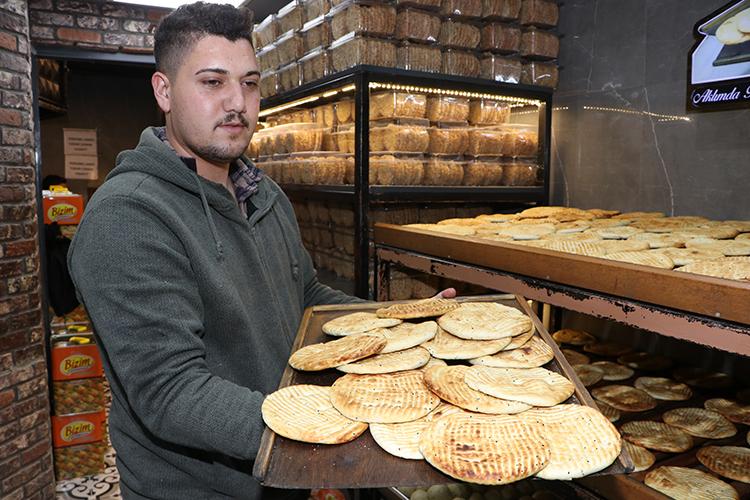
Maraş Çöreği in the Hands of Artisans (AA)
The production process of Maraş çöreği includes the following steps:
Although the registration document does not explicitly define geographical boundaries, the naming of the product as “Maraş Çöreği” and the fact that the notched carob rolling pin is exclusively made by artisans from Maraş demonstrate a strong association between the product and the Kahramanmaraş region.
Maraş çöreği was applied for registration under application number C2016/089 on 19 September 2016 and was officially registered as a geographical indication on 13 June 2018 under registration number 361. This registration provides legal protection under Industrial Property Law No. 6769, effective from the date of application.
Genç, Durmuş. "Tescilli Maraş Çöreği Ramazan Sofraları İçin Hazırlanıyor." *Anadolu Ajansı*, March 27, 2023. Accessed May 25, 2025. https://www.aa.com.tr/tr/ramazan-2023/tescilli-maras-coregi-ramazan-sofralari-icin-hazirlaniyor/2856504.
Turk Patent and Trademark Office. *Maraş Çöreği Geographical Indication Certificate*. Registration No: 361, Application No: C2016/089. Application date: September 19, 2016. Registration date: June 13, 2018. Accessed May 25, 2025. https://ci.turkpatent.gov.tr/Files/GeographicalSigns/8fa3f1ca-4892-4283-807e-8e44aae2fd65.pdf.
Çalı, Gökhan. "Tescilli 'Maraş Çöreği' İçin Ustalar Bayram Mesaisinde." *Anadolu Ajansı*, March 27, 2025. Accessed May 25, 2025. https://www.aa.com.tr/tr/kultur/tescilli-maras-coregi-icin-ustalar-bayram-mesaisinde/3521305.

Maraş Çöreği
Registration Number | 361 | ||||||||
|---|---|---|---|---|---|---|---|---|---|
Application Number | C2016/089 | ||||||||
Application Date | 2016-09-19 | ||||||||
Registration Date | 2018-06-13 | ||||||||
Geographical Indication Type(s) | Mahreç İşareti | ||||||||
Product / Product Group(s) | Çörek | ||||||||
Product Profile and Geographical Indication Type
Definition and Distinctive Characteristics
Production Method
Geographical Origin and Boundaries
Registration Process and Details