This article was automatically translated from the original Turkish version.
+2 More
Registration Number | 463 | ||||||||
|---|---|---|---|---|---|---|---|---|---|
Registration Date | 16.10.2019 | ||||||||
Application Number | C2017/013 | ||||||||
Application Date | 16.02.2017 | ||||||||
Name of the Geographical Indication | Mardin Bulgur | ||||||||
Product / Product Group(s) | Bulgur / Other | ||||||||
Type of Geographical Indication | Place of origin | ||||||||
Applicant/Registrant(s) | Kızıltepe Chamber of Commerce and Industry | ||||||||
Address of the Registrant | Yeni Mah. 529 Sok. Dündarlar Business Center Toprak B. Floor:2 No:2 Kızıltepe MARDİN | ||||||||
Geographical Boundary | Mardin Province | ||||||||
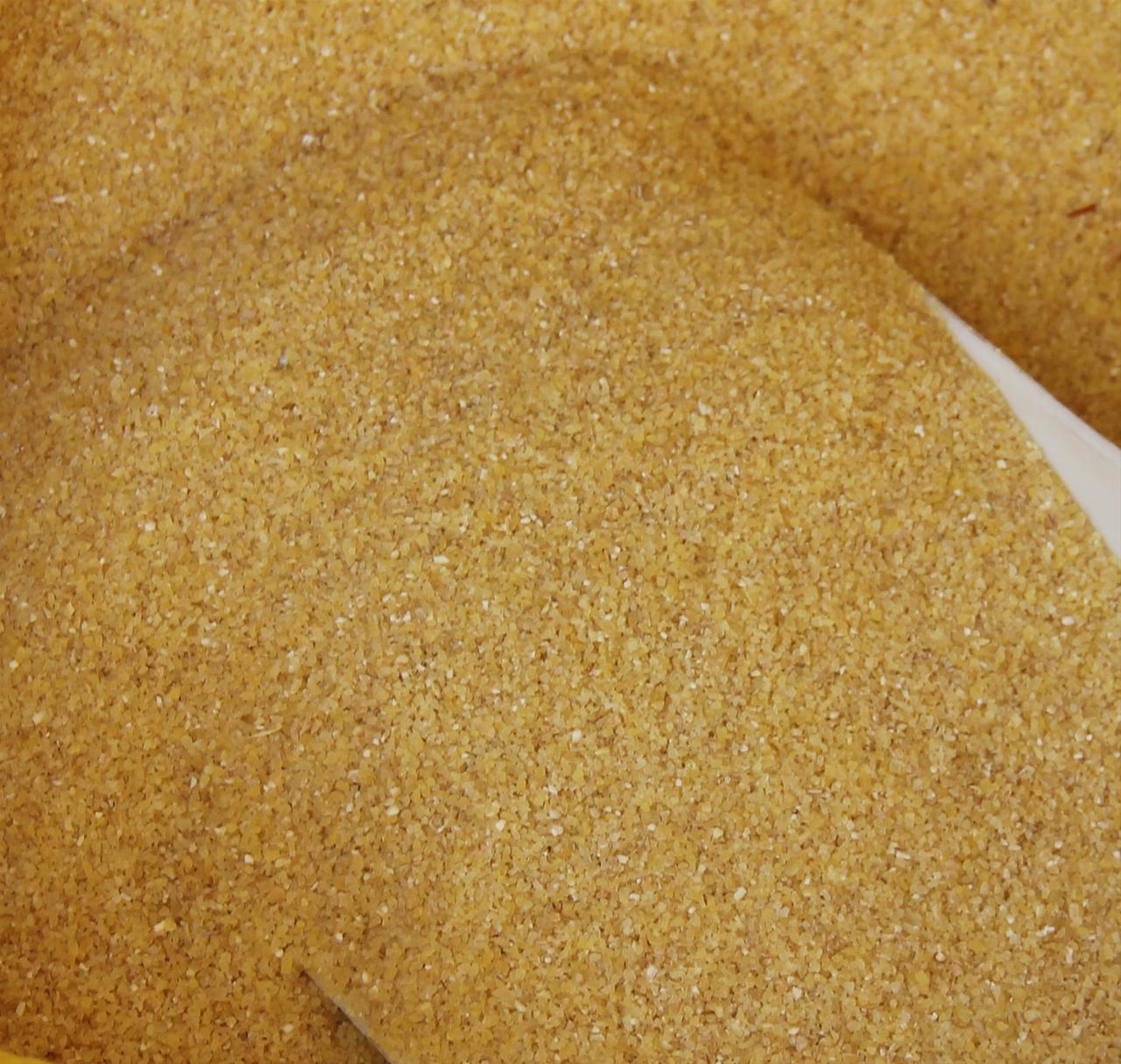
Mardin bulgur is a distinctive variety of bulgur registered with its place of origin in Mardin Province, Türkiye. Produced from Triticum durum wheat, this product is distinguished from other bulgurs by its amber-yellow color (L* 67.5; a* 5.1; b* 33.7). The red soils and sunny climatic conditions of Mardin impart to the bulgur its unique color and aroma. Mardin bulgur is produced in various types including pilavlik, köftelik, Seferkitel, large shish, and medium shish, with a maximum moisture content of 11.9%. Its production relies on traditional methods involving meticulous cleaning, boiling, drying, and toasting.
Bulgur is generally defined as a wheat product that has been cleaned either dry or wet, cooked, dried, dehulled, and graded. Mardin bulgur is primarily produced from Triticum durum wheat, and its defining characteristic that distinguishes it from other bulgur varieties is its amber-yellow color. This color is quantified by the measurements L* 67.5, a* 5.1, and b* 33.7. The amber-yellow hue is recognized as a key quality criterion in bulgur.
This distinctive color is conferred upon Mardin bulgur by the region’s geographical and climatic conditions. Mardin Province exhibits a transitional climate between continental and Mediterranean climates. Summers are hot while winters are cold. The number of annual snowfall days does not exceed 10, and the number of days with temperatures below 0 °C does not surpass 60. Approximately 100 days per year experience temperatures above 30 °C. The region’s average annual rainfall is 713 mm. Mardin’s red soil structure combined with the intense sunlight during the milk-ripening stage of wheat cultivation are decisive factors in the development of the bulgur’s amber-yellow color.
Mardin bulgur is also produced in regional varieties such as Seferkitel, large shish, and medium shish, alongside the pilavlik and köftelik types specified in the Turkish Food Codex Bulgur Regulation.
The moisture content (rutubet) of Mardin bulgur does not exceed 11.9%. The principal chemical properties measured in the dry matter are as follows:
These values fall within the established quality standards and define the characteristic composition of Mardin bulgur.
The production process of Mardin bulgur involves multiple technical stages. The primary wheat variety used is Triticum durum, cultivated in the region. The quality parameters required for the wheat used in production are as follows:
The production steps are carried out in detail as follows:
The production, market supply, and distribution of Mardin bulgur are monitored to ensure compliance with the specifications outlined in its registered certification. This monitoring is coordinated by the Kızıltepe Chamber of Commerce and Industry. The monitoring body includes at least one expert each from the Kızıltepe Chamber of Commerce and Industry, Mardin Artuklu University, Mardin Provincial Directorate of Agriculture and Forestry, Kızıltepe Chamber of Commerce, and the Mardin Bulgur Producers Mutual Aid and Solidarity Association. Monitoring is conducted at least once annually. Additionally, the monitoring body may engage experts from public or private institutions or individuals legally representing such entities.
The registering entity holds the legal authority to pursue legal proceedings to protect the rights associated with Mardin bulgur.
Turk Patent and Trademark Office. "Coğrafi İşaret Detay – Mardin Bulguru." Accessed July 14, 2025. https://ci.turkpatent.gov.tr/cografi-isaretler/detay/38252.
Turkish Patent and Trademark Office. "Mardin Bulguru Coğrafi İşaret Tescil Belgesi PDF." Accessed July 14, 2025. https://ci.turkpatent.gov.tr/Files/GeographicalSigns/ebfffefd-0518-4fa2-9356-270fd59eb81b.pdf.

Registration Number | 463 | ||||||||
|---|---|---|---|---|---|---|---|---|---|
Registration Date | 16.10.2019 | ||||||||
Application Number | C2017/013 | ||||||||
Application Date | 16.02.2017 | ||||||||
Name of the Geographical Indication | Mardin Bulgur | ||||||||
Product / Product Group(s) | Bulgur / Other | ||||||||
Type of Geographical Indication | Place of origin | ||||||||
Applicant/Registrant(s) | Kızıltepe Chamber of Commerce and Industry | ||||||||
Address of the Registrant | Yeni Mah. 529 Sok. Dündarlar Business Center Toprak B. Floor:2 No:2 Kızıltepe MARDİN | ||||||||
Geographical Boundary | Mardin Province | ||||||||
Distinguishing Characteristics
Chemical Properties
Production Process
Monitoring