This article was automatically translated from the original Turkish version.
+2 More
Type of Geographical İndication | Mahreç Sign | ||||||||
|---|---|---|---|---|---|---|---|---|---|
File Number | C2008/010 | ||||||||
Application Date | 28.01.2008 | ||||||||
Registration Number | 124 | ||||||||
Registration Date | 23.12.2009 | ||||||||
Product / Product Group(s) | Chocolate confectionery and related products | ||||||||
Province(s) | Mardin | ||||||||
Applicant/Registrant(s) | Mardin Governorship | ||||||||
Status | Registered | ||||||||
Address | 17 Mart Neighborhood 47200 Mardin Artuklu Government House | ||||||||
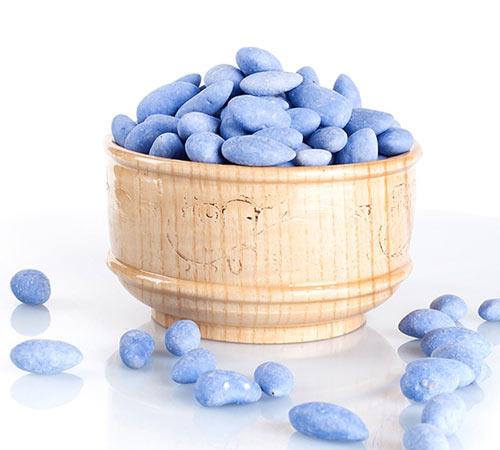
Mardin imlebbes is a traditional confection made by roasting the kernels of almonds grown in the region and coating them with hot syrup. Its name, of Arabic origin, means “to cover” or “to coat,” reflecting the technique of enveloping the almond kernels in a layer of sugar. Mardin’s climate, which exhibits transitional characteristics between continental and Mediterranean types, influences the flavor and structure of the almonds used in this confection. Imlebbes is made using almonds with at least 90% kernel yield, in white or cream color, and has a shiny, smooth, and crisp texture.
The production of imlebbes is embedded within Mardin’s broad culinary tradition, shaped by centuries of influence from diverse cultures and civilizations. The city’s cuisine is defined not only by the types of dishes but also by their preparation methods, the tools used, and their role in social life. Imlebbes has been produced and consumed in the region for centuries. Its name derives from an Arabic word meaning “to cover” or “to coat,” directly referencing the technique of coating almond kernels with sugar.
The primary raw materials used in producing Mardin imlebbes are almonds and sugar. The almonds must have a kernel yield of at least 90%, a full structure, and a white or cream color. The proportion of unshelled (cracked) almonds should not exceed 5–7%. The almonds must be at least 12 mm in size, and sufficient syrup must be used to completely coat the kernels during the confectionery process. The sugar coating is shiny, semi-transparent or transparent, smooth, and crisp in texture.
Mardin’s climate is a key factor influencing imlebbes production. The city lies in a transitional zone between the continental climate of eastern Türkiye and the Mediterranean climate to the south. Summers are hot and dry, while winters are milder than typical continental climates. This climatic structure contributes to the quality and characteristics of the almonds grown in the region. The almonds from Mardin are preferred for imlebbes production because these climatic conditions impart a distinctive aroma, fullness, and suitable chemical composition to the nuts.
The production process of Mardin imlebbes consists of specific stages carried out by local artisans using unique techniques.
The syrup is made by mixing sugar and water and boiling the mixture until it reaches a temperature of approximately 180°C.
The almonds intended for imlebbes production are first cracked to separate the kernels. The kernels are then passed through sieves of 12 mm to standardize their size. Afterward, they are placed in a roasting machine and roasted until they reach a light color.
The roasted almond kernels are coated with the prepared hot syrup. The coating process is carried out at a temperature of 70–80°C. While the almonds are continuously stirred, syrup is gradually sprinkled over them. This step is repeated three or four times. In total, the syrup sprinkling is performed 45–55 times, ensuring the almonds are evenly covered with a smooth, shiny, and crisp sugar layer.
Once coated, the imlebbes is spread out on a wide surface and left to rest in a cool environment for 30 minutes. Finally, the product is packaged and made available for sale. Approximately 600 grams of almond kernels and 400 grams of sugar are required to produce 1 kilogram of imlebbes.
The production of imlebbes is regularly inspected to ensure compliance with established chemical, physical, and production standards. A commission composed of representatives from the Municipal Mayor’s Office, Directorate of Industry and Trade, Provincial Directorate of Health, Chamber of Commerce and Industry, and Chamber of Agriculture oversees compliance with production conditions. These inspections aim to maintain the product’s standard and quality.
Turk Patent and Trademark Office. "Mardin İmlebbes." Turk Patent and Trademark Office. Accessed July 14, 2025. https://ci.turkpatent.gov.tr/cografi-isaretler/detay/37994.
Türk Patent ve Marka Kurumu. "Mardin İmlebbes” Türk Patent ve Marka Kurumu." Accessed July 14, 2025. https://ci.turkpatent.gov.tr/Files/GeographicalSigns/124.pdf.

Type of Geographical İndication | Mahreç Sign | ||||||||
|---|---|---|---|---|---|---|---|---|---|
File Number | C2008/010 | ||||||||
Application Date | 28.01.2008 | ||||||||
Registration Number | 124 | ||||||||
Registration Date | 23.12.2009 | ||||||||
Product / Product Group(s) | Chocolate confectionery and related products | ||||||||
Province(s) | Mardin | ||||||||
Applicant/Registrant(s) | Mardin Governorship | ||||||||
Status | Registered | ||||||||
Address | 17 Mart Neighborhood 47200 Mardin Artuklu Government House | ||||||||
Origin and History
Raw Materials and Chemical Properties
Climate and Geographical Factors
Production Process
1. Syrup Preparation
2. Almond Preparation
3. Syrup Coating (Cooking)
4. Cooling and Packaging
Inspection and Control