

This article was automatically translated from the original Turkish version.
+2 More
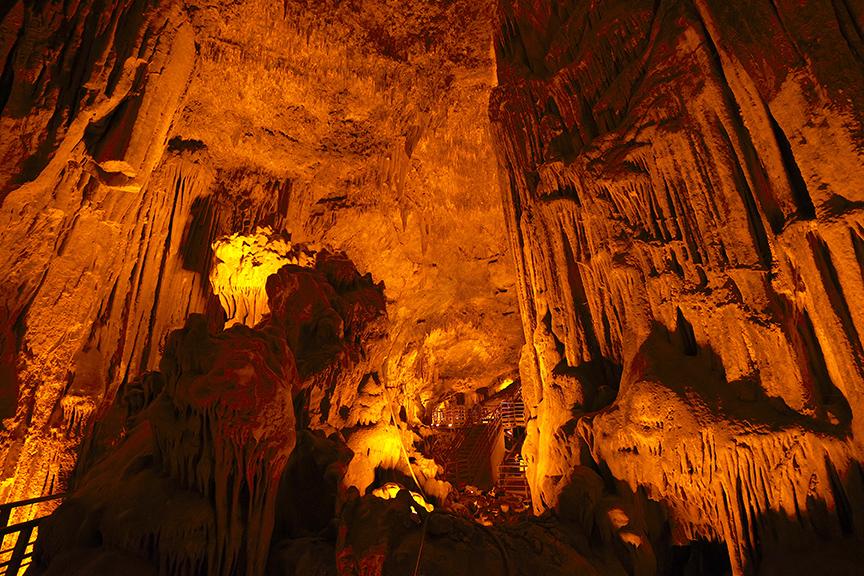
Mersin Asthma Cave is a natural limestone cave located within the boundaries of Narlıkuyu Neighborhood, Silifke District, Mersin Province, in the Mediterranean Region. The cave lies approximately 600 meters northwest of the Cennet-Cehennem Sinkholes. Notable for its natural formation, the cave is situated on the northern slope of Narlıkuyu Bay, within the boundaries of Hasanaliler Neighborhood.
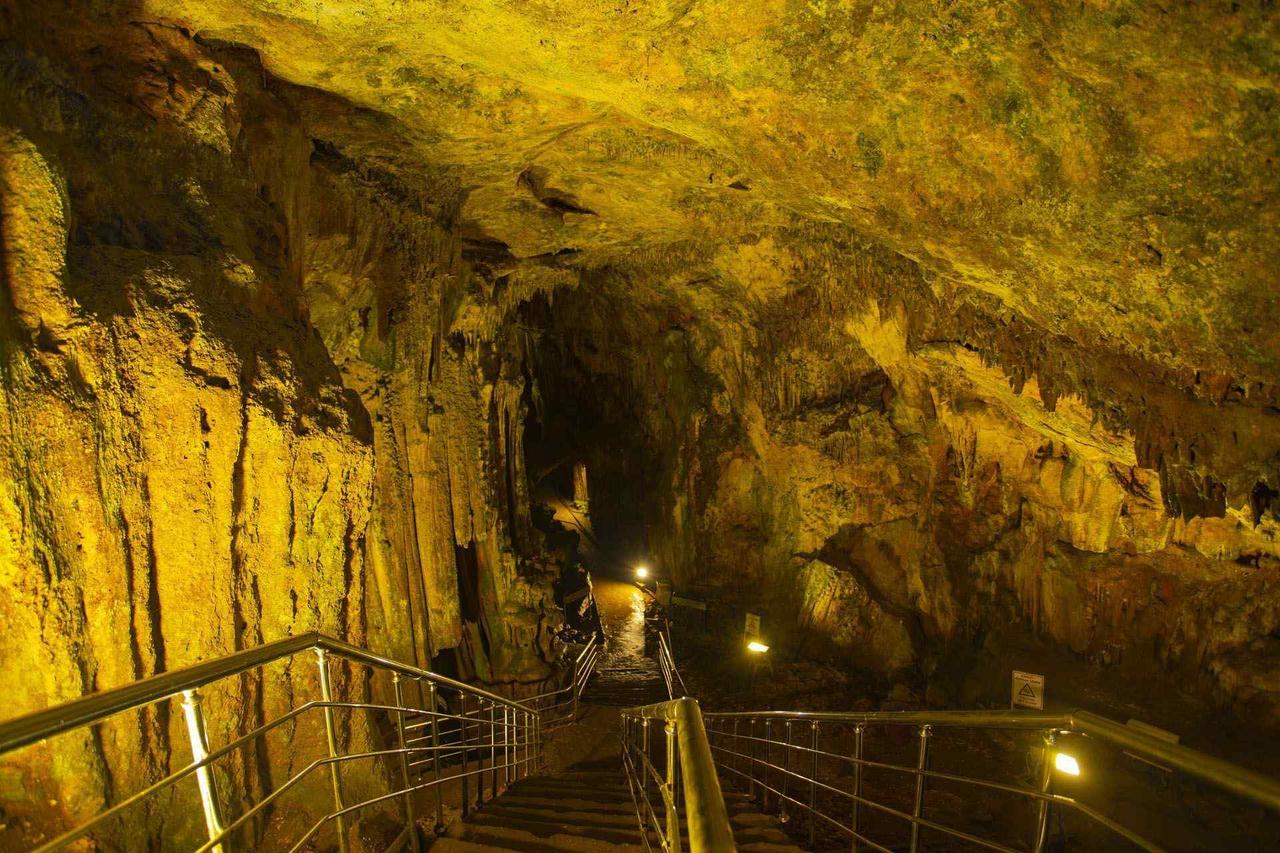
Mersin Asthma Cave (Turkish Museums)
Asthma Cave is a natural cave formed within limestone rocks dating back to the Tertiary period of the geological third era. The cave is approximately 200 meters long and consists of interconnected galleries. The massive stalactites and stalagmites found along these galleries have been shaped by siliceous mineral deposits resulting from thousands of years of subterranean water movement.
Access to the cave floor is provided by a spiral iron staircase. This natural formation, which is about 15 meters deep, is notable for its constant temperature and high humidity levels. Indoor humidity rises to 85 percent during summer months and reaches up to 95 percent in winter. These climatic conditions create a perpetually moist atmosphere inside the cave.
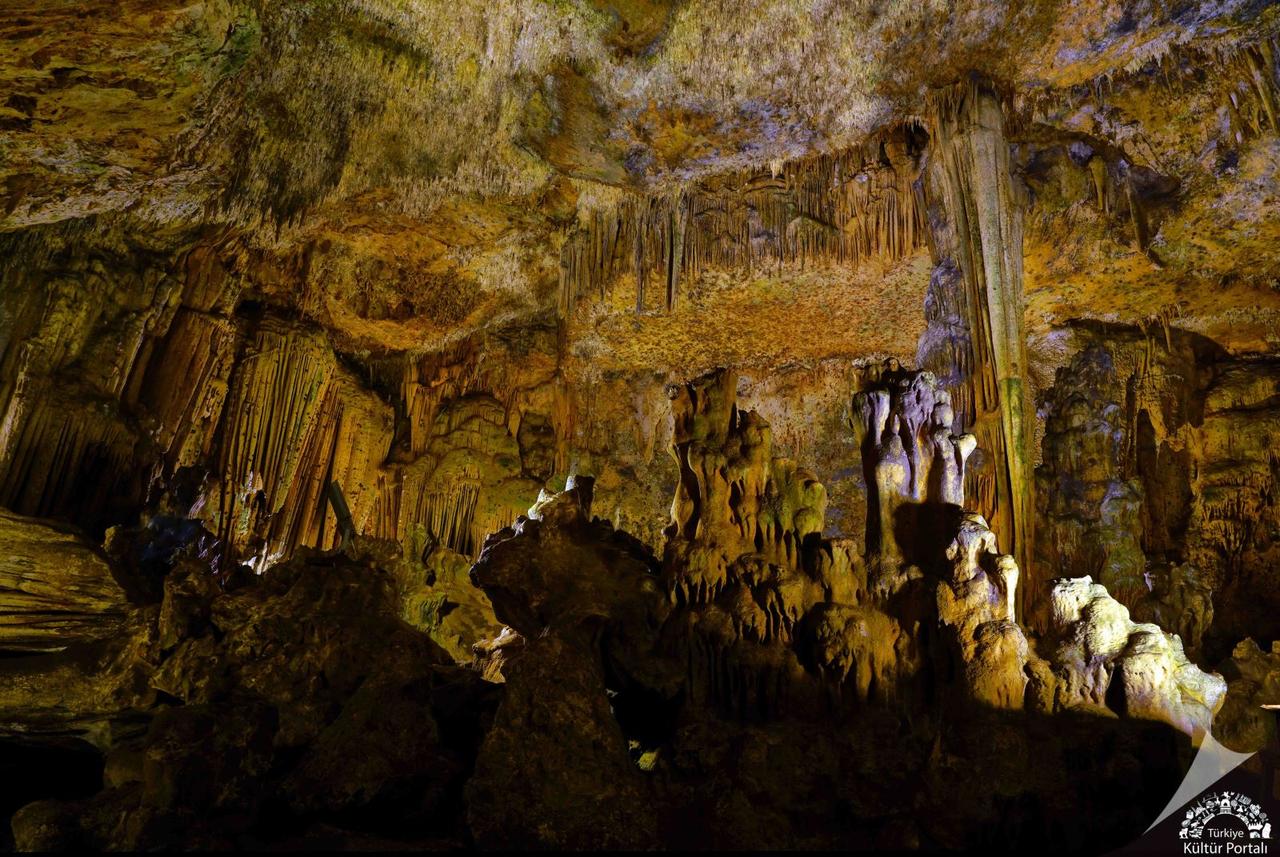
Stalactites of Mersin Asthma Cave (Türkiye Culture Portal)
Mersin Asthma Cave is renowned among local residents and visitors for its air, which is widely believed to be beneficial for respiratory ailments. There is a prevalent belief that the cave’s constant temperature and high humidity levels are particularly helpful for certain respiratory conditions, especially asthma. This belief has led to the cave being commonly referred to in local usage as the “Asthma Cave.”
The cave has become an important tourist and cultural site in the region due to its natural beauty and health-related beliefs. The tradition of tying cloths to trees and shrubs around the cave to make wishes has contributed to its cultural memory as the “Wish Cave.” This practice has enhanced the cave’s value not merely as a natural formation but also as a cultural space deeply integrated with local beliefs. The cave is visited year-round by both domestic and international tourists, contributing to the diversity of tourism in the region.

Physical Structure and Formation
Health-Related Beliefs
Touristic and Cultural Significance