


This article was automatically translated from the original Turkish version.
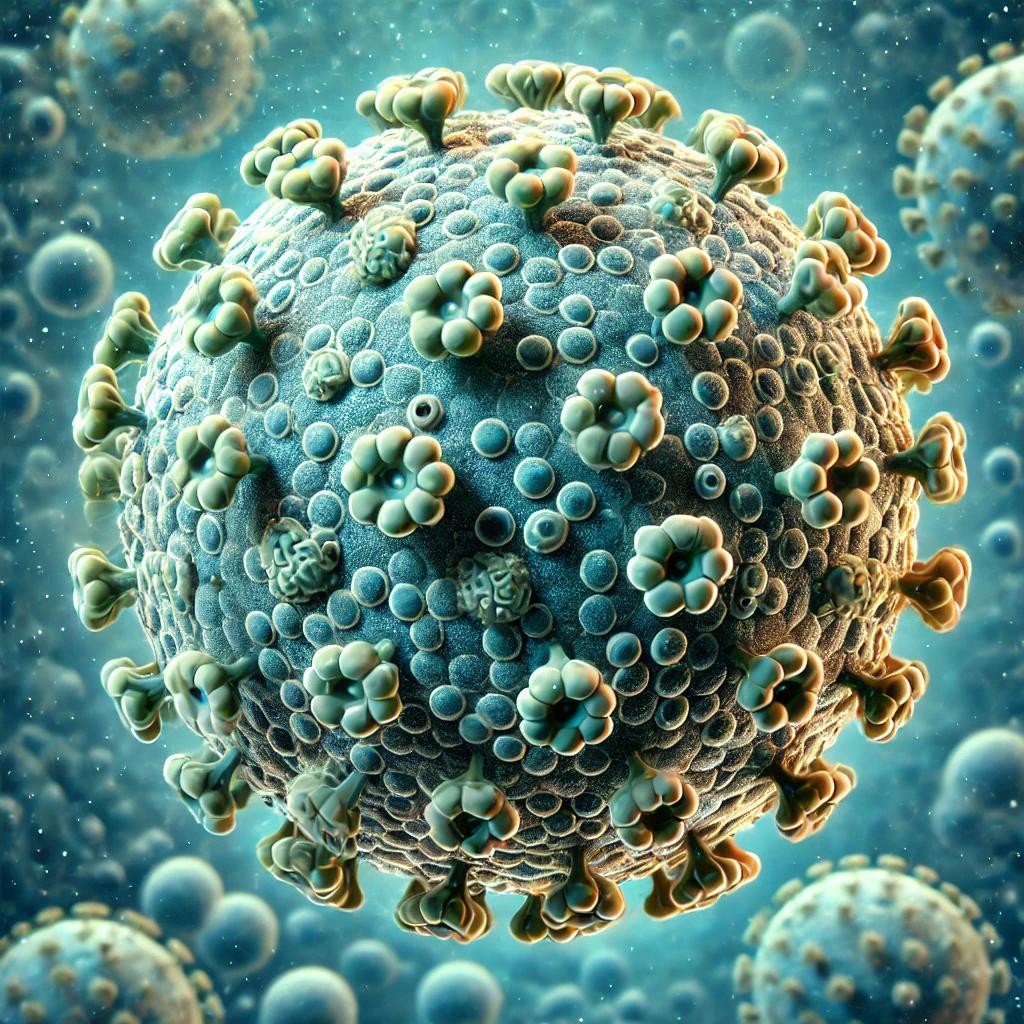
Monkey virus (Monkeypox virus, MPXV) is a zoonotic virus belonging to the Orthopoxvirus genus of the Poxviridae family. It was first identified in laboratory monkeys in 1958, and the first human case was reported in 1970 in the Democratic Republic of the Congo. Monkeypox disease, which presents symptoms similar to smallpox road but follows a milder course, is endemic in certain regions of Africa. However, due to its global spread in 2022, it has become a public health concern worldwide world.
The monkeypox virus can be transmitted from animals to humans and from human to human. Transmission routes include:
Animal to Human Transmission: Infection can occur through bites or scratches from infected animals or through contact with their bodily fluids. Rodents and primates serve as natural reservoirs place.
Human to Human Transmission: Transmission can occur via respiratory droplets, direct contact with skin lesions, or sharing of infected bodily fluids. Prolonged close contact or sexual contact are key risk factors risk.
Transmission via Contaminated Surfaces: Infection may occur through contact with objects used by infected individuals, such as veil and towel.
Epidemiologically, monkeypox cases have primarily been reported in Central and West Africa. However, during the 2022 outbreak, cases were also detected in the Americas, Europe and Asia continents. This indicates that the virus can more easily spread within human populations through new transmission pathways situation.
The incubation period of the disease typically ranges from 5 to 21 day. Symptoms occur in two stages:
1. Prodromal Phase: Fever, headache, muscle aches, lymphadenopathy (swelling of lymph nodes), and fatigue are observed Fire head case lymph.
2. Rash Phase: Skin lesions initially appear as maculopapular rashes, progressing to vesicles, pustules, and eventually scabbing. The rash often concentrates on the face, palms of the hands, and foot soles.

Artificially generated image of a monkeypox virus outbreak
The most reliable method for confirming Definition is PCR testing. Specific diagnosis is made by analyzing samples taken from skin lesions or bodily fluids using genetic analysis.
There is no specific treatment for monkeypox disease. However, symptomatic care and antiviral medications such as tecovirimat like can alleviate disease progression. It is known that the smallpox vaccine provides approximately 85 percent protection against monkeypox. Therefore, vaccination of high-risk groups is recommended.
Preventive measures include:
Avoiding contact with infected individuals
Practicing good hand hygiene
Avoiding contact with contaminated surfaces and objects
Use of personal protective equipment by healthcare workers
The monkeypox virus is a pathogen with the potential to cause global outbreaks. As a significant zoonotic disease, it poses particular risks to individuals with weakened immune systems. Early diagnosis, isolation, and vaccination strategies are critical for effective control of the disease.
BSHR. *Maymun Çiçeği Virüsü Epidemiyolojisi ve Önleme Stratejileri*. Bursa: *Bursa Sağlık ve Hastane Raporları Dergisi*, 2023. Accessed March 22, 2025. https://dergipark.org.tr/en/pub/bshr/article/1163122.
Bioeksen. *Maymun Çiçeği Tanı Kiti Kullanım Kılavuzu*. İstanbul: Bioeksen, 2022. Accessed March 22, 2025. https://www.bioeksen.com.tr/sistem/upload_root/slider_icerik/6a1edd006f023d1fb0fbf272b6a89d14.pdf.
Şahiner, Fatih. "Monkeypox Virus Outbreaks and Poxvirus Infections: Transmission Routes and Epidemiological Characteristics." ResearchGate, 2022. Accessed March 22, 2025. https://www.researchgate.net/profile/Fatih-Sahiner-2/publication/361521356_Monkeypox_Virus_Outbreaks_and_Poxvirus_Infections_Transmission_Routes_and_Epidemiological_Characteristics/links/634f2d7612cbac6a3ed745fe/Monkeypox-Virus-Outbreaks-and-Poxvirus-Infections-Transmission-Routes-and-Epidemiological-Characteristics.pdf.

Transmission Routes and Epidemiological Features
Clinical Signs
Diagnostic Methods
Treatment and Prevention Methods
Public Health Significance