This article was automatically translated from the original Turkish version.
+1 More
Geographical Indication Type(s) | Place of origin | ||||||||
|---|---|---|---|---|---|---|---|---|---|
Registration Number / Date | 1541 – 24.02.2024 | ||||||||
Application Number / Date | C2022/000420 – 28.11.2022 | ||||||||
Applicant/Registrant(s) | Tunceli Provincial Directorate of Agriculture and Forestry | ||||||||
Geographical Boundary | Tunceli province National Park) 000 hectares Munzur Valley (42 | ||||||||
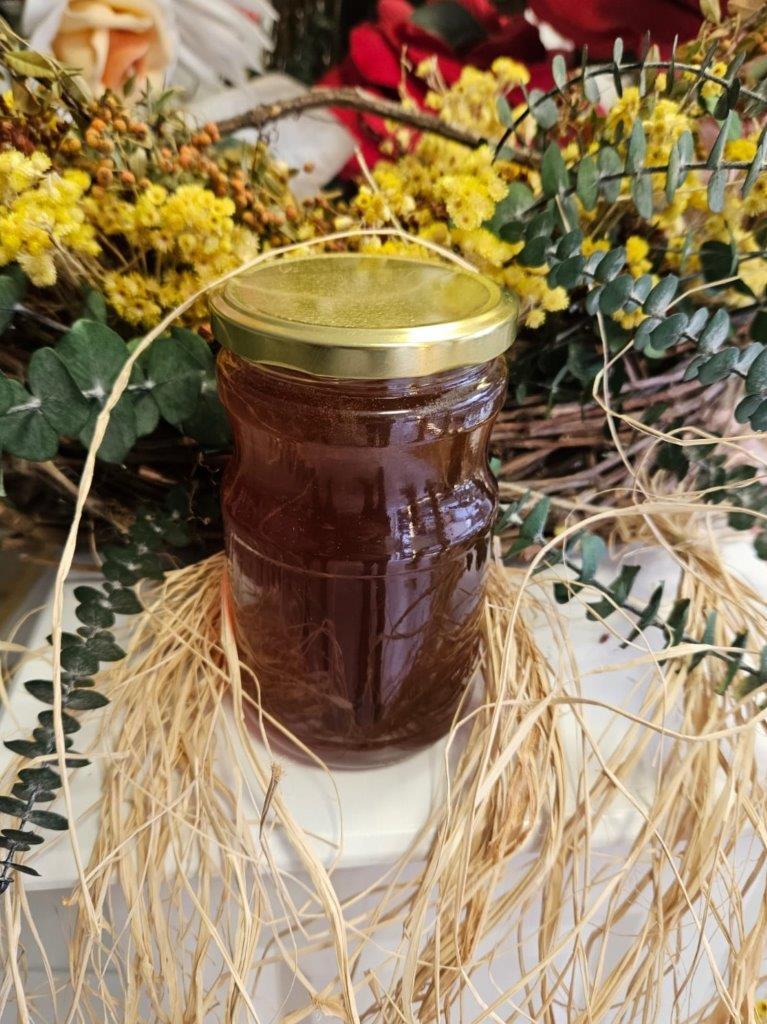
Product | Flower honey (yellowish–grayish color, strained and with comb) | ||||||||
In the high altitudes of Tunceli, Munzur Honey, produced from the region’s rich plant flora, has been registered as a geographical indication (origin name) by the Turkish Patent and Trademark Office on 19 February 2024. This honey, long produced in the region, has been officially registered through initiatives by the Tunceli Provincial Directorate of Agriculture and Forestry, ensuring quality assurance in both production and marketing processes.

Munzur Honey (Geographical Signs Portal)
The Munzur Valley, beginning 8 km from Tunceli and extending to the Munzur Mountains, covers an area of 42,000 hectares and was declared a National Park in 1971. The valley’s rivers, waterfalls, and steep mountain slopes cause sunlight to reflect at varying angles, enhancing the region’s floristic diversity. Over 1,000 plant species grow here.
Prominent plant species in the Munzur Valley’s flora include single-tooth garlic, everlasting flower, bear rose, sakayık, chanterelle mushroom, wormwood, alı gelin, wild poppy, snowdrop, çiğdem, purple nevruz, ışkın, and narcissus flowers, many of which are endemic. This rich flora directly influences the honey’s aroma, color, and texture.
Munzur Honey is a floral honey produced by colonies of the Anatolian honey bee (Apis mellifera anatoliaca) and is characterized by a yellowish to greenish hue. It is marketed both as filtered honey and comb honey.
These values demonstrate Munzur Honey’s naturalness and nutritional value.
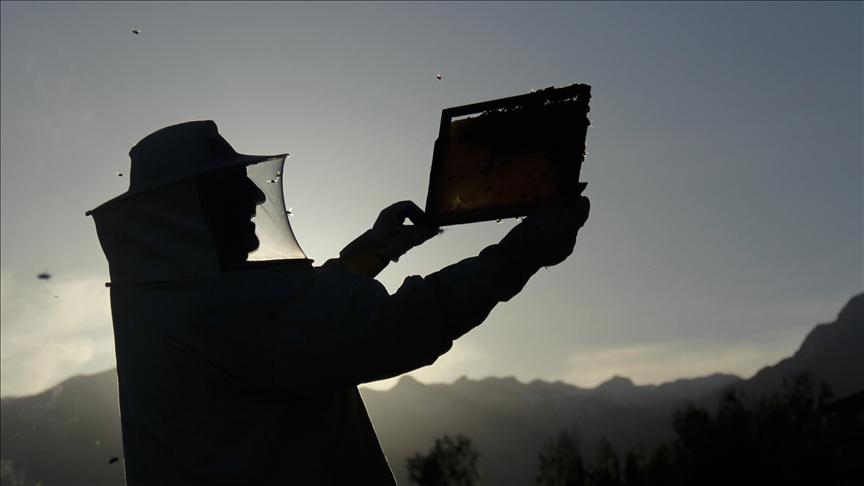
Munzur Honey (AA)
Munzur Honey is produced in hives placed within the Munzur Valley of Tunceli. Beekeeping activities follow a fixed beekeeping system, with careful maintenance of colony health.
Monitoring is conducted at least once annually under the coordination of the Tunceli Provincial Directorate of Agriculture and Forestry, with participation from representatives of the Tunceli Beekeepers Association.
Inspections cover:
Munzur Honey is a significant agricultural product of Tunceli, resulting from high altitude, endemic flora, and isolated ecosystem conditions. With its geographical indication registration, the product’s brand value has increased, and quality standards have been assured throughout production and marketing.
Tunceli Governor Bülent Tekbıyıkoğlu, in his statement during the registration process, emphasized the importance of this achievement by saying, “I congratulate everyone who has worked to maintain and improve quality standards in the production and marketing of Munzur Honey.”
Munzur Honey generates economic added value while promoting Tunceli’s natural and cultural heritage at national and international levels.
Anadolu Ajansı. “Tunceli'nin yüksek rakımlarında üretilen ‘Munzur Balı’ coğrafi işaret aldı.” Anadolu Ajansı, April 17, 2024. Accessed August 16, 2025. https://www.aa.com.tr/tr/yasam/tuncelinin-yuksek-rakimlarinda-uretilen-munzur-bali-cografi-isaret-aldi/3194053.
Turk Patent and Trademark Office. "Munzur Balı," Geographical Indications Portal, Registration Information C2022/000420, Registration No. 1541, Registration Date February 19, 2024. Accessed August 16, 2025. https://ci.turkpatent.gov.tr/cografi-isaretler/detay/8086.

Geographical Indication Type(s) | Place of origin | ||||||||
|---|---|---|---|---|---|---|---|---|---|
Registration Number / Date | 1541 – 24.02.2024 | ||||||||
Application Number / Date | C2022/000420 – 28.11.2022 | ||||||||
Applicant/Registrant(s) | Tunceli Provincial Directorate of Agriculture and Forestry | ||||||||
Geographical Boundary | Tunceli province National Park) 000 hectares Munzur Valley (42 | ||||||||
Product | Flower honey (yellowish–grayish color, strained and with comb) | ||||||||
Geographical Area and Floristic Richness
Characteristics of Munzur Honey
Physical Properties:
Chemical Properties:
Production Method
Monitoring Mechanism