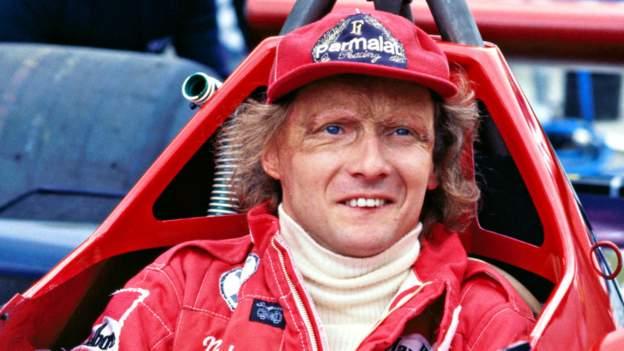

Doğum tarihi | 1949-02-22 | ||||||||
|---|---|---|---|---|---|---|---|---|---|
Eş | Marlene Knaus (1976–1991) Birgit Wetzinger (2008–2019) | ||||||||
Ölüm tarihi | 2019-05-20 | ||||||||
Çocuk | Lukas Lauda Christoph Lauda Max Lauda Mia Lauda Mathias Lauda | ||||||||
Annesi | Elisabeth Lauda | ||||||||
Babası | Ernst-Peter Lauda | ||||||||
Championship Years | 1984 1977 1975 | ||||||||
Niki Lauda was born on 22 February 1949 in Vienna the capital of Austria. The Lauda family held an influential position in the country’s economic and industrial life. In particular his grandfather Hans Lauda was a well-known figure in Austria’s industrial circles.
While his family expected him to pursue a career in engineering or business Lauda turned his early interest in automobiles into a professional path. Without his family’s support he entered motorsport and achieved his progress largely through his own efforts.
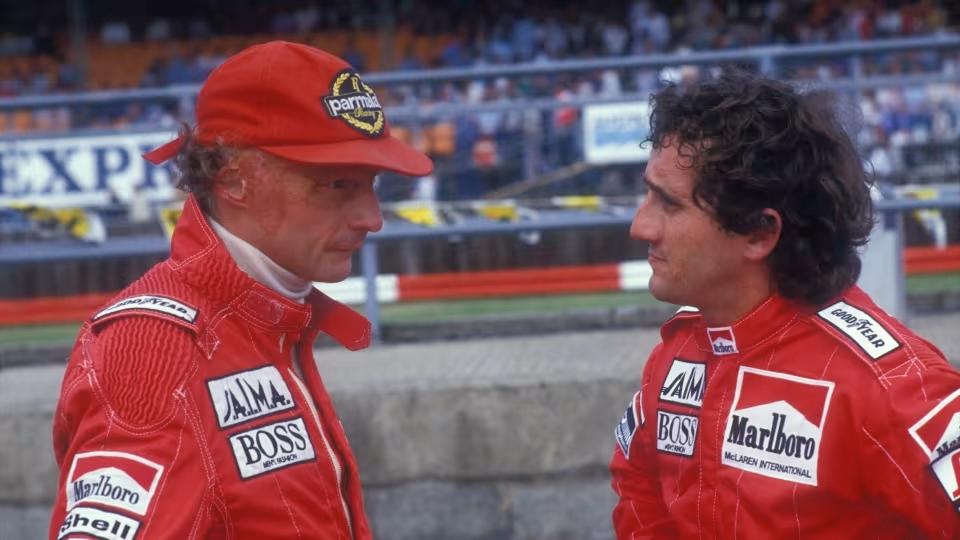
Lauda alongside his McLaren teammate Alain Prost at the 1985 British Grand Prix (Formula1.com)
Lauda began his racing career in local Austrian competitions. He gained attention with strong performances in Formula Vee and later Formula 3. In 1971 he started competing in Formula 2 and Formula 1 races with March Engineering. However during this period he faced financial difficulties and had to take out bank loans to continue racing.
This situation exemplified the typical structure of Formula 1 at the time where driver seats were often secured through financial contributions. In the 1973 season he began racing with the BRM team where his performances attracted the attention of the Ferrari team. His move to Ferrari in 1974 marked a turning point in his career.
Upon joining Ferrari Lauda served not only as a driver but also as a technical contributor to the car development process. Ferrari’s longstanding performance issues since the late 1960s were partially overcome through Lauda’s systematic collaboration with engineers. His technical feedback on suspension aerodynamics and chassis balance significantly enhanced the car’s competitiveness.
The 1975 season was the culmination of these efforts. Lauda won six races to claim his first world championship and brought Ferrari its first title in eleven years.

Lauda at the wheel of the Ferrari 312B3 during the 1975 Brazilian Grand Prix (Formula1.com)
The 1976 season was a pivotal moment both in his career and in motorsport history. During the German Grand Prix on 1 August 1976 at the Nürburgring Nordschleife circuit he suffered severe burns and lung damage in a crash. After falling into a coma Lauda returned to racing just 42 days later demonstrating one of the fastest recoveries and comebacks in sporting history. He lost the championship by a single point to James Hunt but his return was widely regarded as a transcendence of medical and psychological limits.
In the 1977 season he won the championship again but his relationship with Ferrari deteriorated due to managerial disagreements with Enzo Ferrari and he left the team at the end of the season.
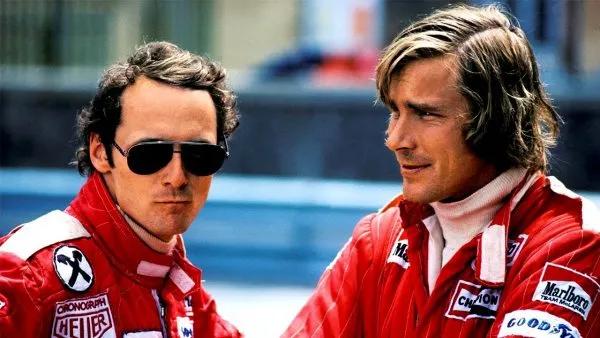
Niki Lauda and James Hunt (GP Rejects)
In the 1978 season Lauda signed with the Brabham-Alfa Romeo team and continued racing. During this period he participated in technically innovative projects such as the BT46B known as the “fan car.” However the team’s overall competitiveness did not reach championship level.
Before the 1979 Canadian Grand Prix he announced his retirement from Formula 1 stating during a practice session that he no longer wished to race. This decision is regarded as one of the examples demonstrating that mental and motivational factors are as decisive as physical capability in motorsport.
Lauda returned to racing in 1982 with the McLaren team a move encouraged by Marlboro. He demonstrated his continued competitiveness by winning the Long Beach Grand Prix during the season.
In the 1984 season he engaged in a fierce championship battle with his teammate Alain Prost finishing the season just 0.5 points ahead to claim his third world title. This margin remains the smallest in Formula 1 history to this day.
The 1985 season was unproductive due to technical problems and declining performance. At the end of the season he permanently ended his professional racing career.
In addition to his racing career Lauda was active in the aviation industry. In 1979 he founded the airline Lauda Air. The company initially operated charter flights and later expanded to scheduled international routes.
In 1991 the Lauda Air Flight 004 crash near Bangkok claimed the lives of 223 passengers and crew. Lauda played an active role in the investigation and publicly disclosed the technical fault in the thrust reverser system. During this process he drew attention for his technical insight and crisis management skills.
In subsequent years he founded low-cost airlines such as Fly Niki and Laudamotion contributing to the competitive landscape of aviation in Europe.
After his racing career Lauda held various management roles within Formula 1. In 1993 he served as a technical advisor for the Ferrari team and from 2001 to 2002 held a managerial position at Jaguar Racing.
In 2012 he joined the board of directors of Mercedes-AMG Petronas. During this period his role in facilitating Lewis Hamilton’s transfer to Mercedes attracted significant attention. Strategic management decisions also played a key part in the team’s successes during the hybrid engine era.
Lauda faced serious health issues throughout his life. He received kidney transplants in 1997 and 2005 and underwent a lung transplant in 2018 following a severe lung condition.
He passed away on 20 May 2019 in Zurich Switzerland. His funeral was attended by athletes business leaders and public officials from various countries.
Niki Lauda is regarded as a multifaceted figure not only for his racing career but also for his technical engineering contributions entrepreneurial ventures in aviation and his roles in motorsport management. He possessed a career that combined resilience technical acumen and managerial vision.
In all the fields he engaged in he developed diverse expertise and successfully applied it in practice. For this reason he is remembered as one of the few individuals who made an interdisciplinary contribution to the histories of motorsport and aviation.
Formula1.com. "Drivers' Hall of Fame: Niki Lauda." Formula 1. Accessed May 3, 2025.
FormulaOneHistory.com. "Niki Lauda." Formula One History. Accessed May 3, 2025.
GP Rejects. "Book Review: Niki Lauda – The Biography." Accessed May 3, 2025.
Motorsport Magazine. "Niki Lauda: Database Profile." Accessed May 3, 2025.
RacingNews365.com. "Formula 1 Drivers: Niki Lauda." Accessed May 3, 2025. https://racingnews365.com/formula-1-drivers/niki-lauda


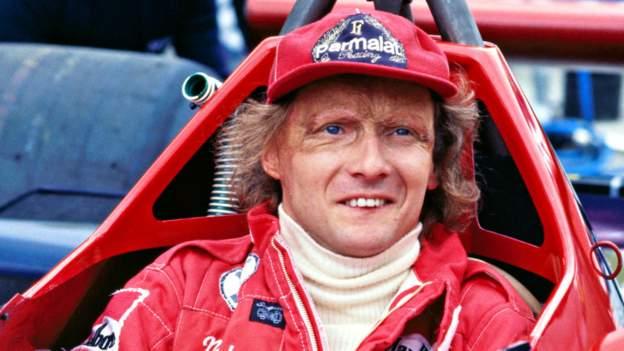
Doğum tarihi | 1949-02-22 | ||||||||
|---|---|---|---|---|---|---|---|---|---|
Eş | Marlene Knaus (1976–1991) Birgit Wetzinger (2008–2019) | ||||||||
Ölüm tarihi | 2019-05-20 | ||||||||
Çocuk | Lukas Lauda Christoph Lauda Max Lauda Mia Lauda Mathias Lauda | ||||||||
Annesi | Elisabeth Lauda | ||||||||
Babası | Ernst-Peter Lauda | ||||||||
Championship Years | 1984 1977 1975 | ||||||||
Early Life and Career Beginnings
Formula 1 Career: A Comprehensive Analysis
Ferrari Era (1974–1977)
Brabham Team and First Retirement (1978–1979)
Return to McLaren and Third Championship (1982–1985)
Airline Career and Entrepreneurship
Formula 1 Management and Technical Advisory Roles
Health Condition and Death