


This article was automatically translated from the original Turkish version.
Obesity
Classification(s) | Obesity Class III (Morbid Obesity / Severe Obesity): BMI ≥ 40 kg/m² Obesity Class II (Moderate Obesity): BMI 35-39.9 kg/m² Obesity Class I (Mild Obesity): BMI 30-34.9 kg/m² Overweight (Pre-obesity): BMI 25-29.9 kg/m² Normal: BMI 18.5-24 kg/m² | ||||||||
|---|---|---|---|---|---|---|---|---|---|
Obesity is a chronic metabolic disorder characterized by abnormal or excessive accumulation of body fat. It results from a prolonged imbalance between energy intake and energy expenditure. Excess energy is stored in adipose tissue, leading to increased body weight. Obesity is not merely an aesthetic concern but also a risk factor for numerous chronic diseases.
According to data from the World Health Organization (WHO), the prevalence of obesity has increased globally in recent years. Obesity rates are rising among both children and adults in both developed and developing countries. The most significant contributors to this increase include changes in dietary habits, reduced physical activity, and urbanization.
The most commonly used method for classifying obesity is the Body Mass Index (BMI). BMI is calculated by dividing body weight in kilograms by the square of height in meters. BMI values are classified as follows:
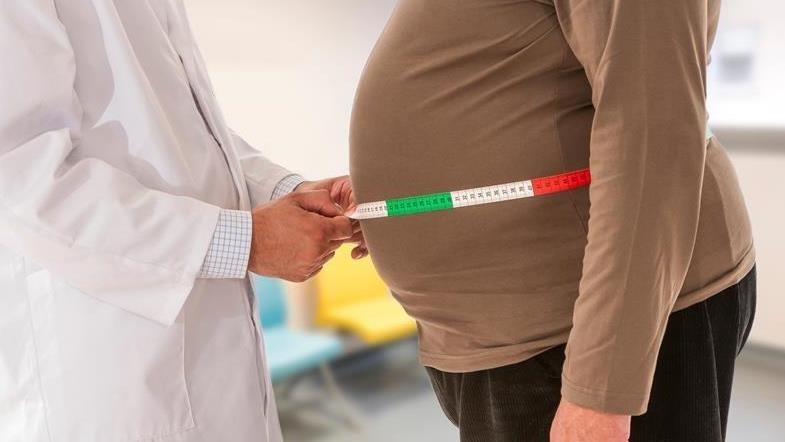
Measurements such as waist circumference and waist-to-hip ratio are also used, particularly for assessing abdominal (intra-abdominal) fat accumulation. Abdominal fat deposition is clinically significant because it increases the risk of metabolic diseases.
Obesity develops due to a prolonged disruption of energy balance. When energy intake exceeds energy expenditure, excess energy is stored in adipocytes as triglycerides. Adipose tissue is not merely an energy reservoir; it also secretes hormones and cytokines that participate in metabolic processes. These include leptin, adiponectin, resistin, and various inflammatory cytokines. In obesity, the secretion and effects of these hormones are altered, leading to insulin resistance, chronic low-grade inflammation, and metabolic disturbances.
Genetic factors play a significant role in the development of obesity. In some individuals, genetic predisposition causes disruptions in the regulation of energy balance. In addition, environmental factors such as dietary habits, reduced physical activity, psychosocial influences, hormonal disorders, and certain medications increase the risk of obesity.
Obesity can present with different clinical manifestations depending on the pattern of body fat distribution. Abdominal fat accumulation is a major factor in the development of metabolic syndrome and an increased risk of cardiovascular disease. In obese individuals, type 2 diabetes, hypertension, dyslipidemia, heart disease, stroke, osteoarthritis, sleep apnea, certain types of cancer, and psychological disorders occur more frequently.
The diagnosis of obesity is typically made using BMI and waist circumference measurements. In addition, laboratory tests such as complete blood count, fasting blood glucose, lipid profile, liver function tests, and markers of insulin resistance are required to assess the patient’s overall health status and evaluate complications related to obesity.
The primary goal of obesity treatment is to achieve a healthy body weight and reduce the risk of obesity-related diseases. Treatment must be multidisciplinary and individualized.
Dietary planning aims to reduce body weight by aligning energy intake with energy expenditure. Low-calorie diets (typically 1200–1500 kcal per day) are formulated to provide balanced macronutrient and micronutrient content. The proportions of carbohydrates, fats, and proteins are adjusted according to the individual’s metabolic status. Increasing dietary fiber intake and avoiding processed foods is recommended. Nutritional education and behavioral change are integral components of treatment.
Regular physical activity supports weight control by increasing energy expenditure. At least 150 minutes of moderate-intensity aerobic exercise per week is recommended. Exercise also has positive effects on cardiovascular health and psychological well-being.
This approach focuses on modifying eating habits, physical activity levels, and lifestyle patterns. It includes strategies to enhance motivation, manage stress, and treat eating disorders.
For patients who do not respond adequately to lifestyle modifications, drug therapy may be administered under the supervision of a specialist physician. Medications act through mechanisms such as appetite suppression or reduced nutrient absorption.
Bariatric surgical procedures may be considered for severe obesity (BMI ≥ 40 kg/m² or BMI ≥ 35 kg/m² with significant comorbidities). Postoperative weight loss and improvement in obesity-related diseases are commonly observed.
Obesity poses a risk for numerous systemic diseases. The most common complications include:
Anadolu Ajansı. Photograph, "Obezite İle İlgili Görsel," January 15, 2025. https://cdnuploads.aa.com.tr/uploads/Contents/2025/01/15/thumbs_b_c_bfbc58ec61acf759422474a1761a3367.jpg.
Baltacı, Davut. "Birinci Basamakta Obezite Tedavi." *Okmeydanı Tıp Dergisi*, Accessed May 16, 2025. https://jag.journalagent.com/z4/download_fulltext.asp?pdir=okmeydanitip&plng=eng&un=OTD-44127.
Baltacı, Davut. "Birinci Basamakta Obezite Tedavi." ResearchGate, Accessed May 16, 2025. https://www.researchgate.net/profile/Davut-Baltaci/publication/287111687_Birinci_Basamakta_Obezite_Tedavi/links/5671ae0f08aecc73dc094d14/Birinci-Basamakta-Obezite-Tedavi.pdf.
ScienceDirect. "Article: [Başlık Yok], 2023." ScienceDirect, Accessed May 16, 2025. https://www.sciencedirect.com/science/article/pii/S2211383523000126.
YouTube. "Video: [Title Not Provided]." Accessed May 16, 2025. https://www.youtube.com/watch?v=pTLhQjVAJMc.

Obesity
Classification(s) | Obesity Class III (Morbid Obesity / Severe Obesity): BMI ≥ 40 kg/m² Obesity Class II (Moderate Obesity): BMI 35-39.9 kg/m² Obesity Class I (Mild Obesity): BMI 30-34.9 kg/m² Overweight (Pre-obesity): BMI 25-29.9 kg/m² Normal: BMI 18.5-24 kg/m² | ||||||||
|---|---|---|---|---|---|---|---|---|---|
Epidemiology
Classification
Pathophysiology
Clinical Features
Diagnosis
Treatment
1. Nutritional Therapy:
2. Physical Activity:
3. Behavioral Therapy:
4. Pharmacological Therapy:
5. Surgical Therapy:
Complications