


This article was automatically translated from the original Turkish version.
+2 More
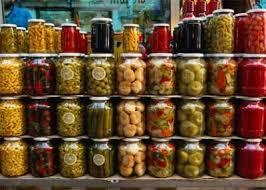
Orhangazi Gedelek Pickle
Registration Number | 249 | ||||||||
|---|---|---|---|---|---|---|---|---|---|
Registration Date | 04.12.2017 | ||||||||
Application Number | C2014/006 | ||||||||
Application Date | 12.02.2014 | ||||||||
Name of the Geographical Indication | Orhangazi Gedelek Turşusu | ||||||||
Name of the Product | Turşu | ||||||||
Type of Geographical Indication | Mahreç İşareti | ||||||||
Applicant/Registrant(s) | Orhangazi Chamber of Commerce and Industry | ||||||||
Address of the Registrant | Hürriyet Mah. Bursa-Yalova Road No:38/1 16800 Orhangazi Bursa | ||||||||
Geographical Boundary | Gedelek Neighborhood Bursa Province Orhangazi District | ||||||||
Orhangazi Gedelek Pickle is a traditional pickled vegetable product registered with a geographical indication, produced exclusively in the Gedelek Neighborhood of the Orhangazi District in Bursa Province, Türkiye. No chemical additives are used in its production; instead, it is prepared using the brining method with water sourced exclusively from the Gedelek Pınarbaşı spring, combined with sea or rock salt, acetic acid, and grape vinegar. The pickles produced in Gedelek encompass a wide variety of vegetables and fruits, ranging from peppers and cauliflower to green plums, okra, and stuffed cabbage. The product is known for its firm texture, long shelf life, and regional production methods; all production processes and procedures must take place strictly within this defined geographical boundary. Orhangazi Gedelek Pickle is both an element of the local food heritage and a vital component of the regional economy.

Orhangazi Gedelek Pickle (Bursa Metropolitan Municipality)
Orhangazi Gedelek Pickle is a registered geographical indication product produced in the Gedelek Neighborhood of the Orhangazi District in Bursa Province, located in Türkiye’s Marmara Region. It was officially registered on 4 December 2017 (Registration No: 249, Application No: C2014/006). The registering institution is the Orhangazi Chamber of Commerce and Industry. The geographical boundary covered by the indication is limited exclusively to the Gedelek Neighborhood of Orhangazi District in Bursa Province.
Gedelek is a settlement under the jurisdiction of Orhangazi District and attained neighborhood status as of 2014. Known locally as the “Pickle Village,” it hosts numerous pickle producers and plays a significant role in the regional economy.
The most distinctive feature of Orhangazi Gedelek Pickle is the exclusive use of Gedelek Pınarbaşı spring water in its production, with no chemical additives permitted. This water differs from ordinary water due to its high calcium, low sodium, and low magnesium content, which helps preserve the firmness of the vegetables and positively influences their texture. This characteristic is the primary factor that extends the product’s shelf life and distinguishes it from other pickles.
Orhangazi Gedelek Pickle can be produced from a wide variety of vegetables and fruits. Major raw materials include pepper, cucumber, white cabbage, green tomato, red beet, bean, acur, green plum, cauliflower, garlic, carrot, purple cabbage, eggplant, okra, cherry, çağla, ahlat, red carrot, brine leaf, quince, hawthorn, apple, turnip (alabaş), wild parsley, celery, cranberry, corn, kelek (watermelon), stuffed eggplant, stuffed cabbage, and mixed pickle.
The production of Orhangazi Gedelek Pickle is carried out in two main stages: 1. Production Flow and 2. Post-Fermentation Product Flow.
Fresh vegetables and fruits suitable for pickling are selected. Products are sorted by size and shape. Items with unsuitable color, shape, or structure are removed. All selected produce is then washed and cleaned of foreign matter. Certain vegetables (red beet, bean, turnip, wild parsley, stuffed eggplant) undergo blanching.
Fruits and vegetables requiring cutting are divided into small pieces, although this step may also be performed after fermentation. Prepared produce is placed into containers. Containers may be small packages or large vessels such as barrels or casks intended for later transfer. A brine made from sea or rock salt, acetic acid, sugar or grape vinegar, and Gedelek Pınarbaşı spring water is added to the containers. Containers are tightly sealed to eliminate air and fermentation is initiated for a period of approximately 20–30 days. Products in small containers may be sold directly, while those in large containers are transferred after fermentation into smaller packages with fresh brine for market distribution.
Process Steps:
Pickles completed in fermentation are cut as needed and packed into small containers. A new brine is prepared using Gedelek Pınarbaşı spring water combined with sea or rock salt, acetic acid, sugar, or grape vinegar. The pickles are packed into containers without leaving air gaps, sealed tightly, labeled, and prepared for market.
Process Steps:
The vegetables and fruits used in production include pepper, cucumber, white cabbage, green tomato, red beet, bean, acur, green plum, cauliflower, garlic, carrot, purple cabbage, eggplant, okra, cherry, çağla, ahlat, red carrot, brine leaf, quince, hawthorn, apple, turnip (alabaş), wild parsley, celery, cranberry, corn, kelek (watermelon), stuffed eggplant, stuffed cabbage, and mixed pickle.
Brine and ingredient ratios vary according to product type. Salt concentrations in mature pickles typically range from 3% to 6%, acetic acid concentrations from 0.5% to 2%, and grape vinegar and sugar concentrations are applied selectively depending on the variety.
Gedelek Pınarbaşı spring water is a fundamental component of production. Its high calcium, low sodium, and low magnesium content preserve water hardness and positively affect pickle texture. The chemical composition of this water is monitored through periodic analyses and maintained within specified parameters.
Gedelek Pınarbaşı Spring Water Chemical Properties:
“T.E.” stands for “Not Detected.” This indicates that no measurable value was found for the parameter, typically due to concentrations below detection limits or absence of measurement.
Example chemical values: Alkalinity 100–250 mg/L (CaCO₃), turbidity 0.05–0.15 NTU, pH 7.0–7.5, total hardness 22–30 Fr°. Magnesium, potassium, and calcium content may be measured; odor and taste tests are also essential for assessing suitability. This production method must be carried out exclusively within the registered geographical boundary, and all product characteristics are monitored accordingly.
The table presents average values along with minimum and maximum ranges. “T.E.” stands for “Not Detected.”
Pickles are produced in 18 kg tin containers. The quantities of vegetables or fruits used, brine ratios, and concentrations of salt, acetic acid, and vinegar are determined after fermentation. For example, in mature pickles, salt content ranges from 3% to 6%, and acetic acid content from 0.5% to 2%.
Gedelek Pınarbaşı Spring Water is characterized by alkalinity (100–250 mg/L-CaCO₃), turbidity (0.05–0.15 NTU), conductivity (507 µS/cm), chloride (4.5–5 mg/L), pH (7.0–7.5), and total hardness (22–30 Fr°). Its high calcium (80–90 mg/kg), low magnesium (4–5 mg/kg), and low sodium (2.5–3.7 mg/kg) content make it distinctive for pickle production.
All production and processing activities must be conducted within the boundaries of Gedelek Neighborhood. Selection of vegetables, preparation of brine, and fermentation processes must be completed entirely within this geographical boundary.
The production of Orhangazi Gedelek Pickle is monitored by a defined oversight structure to ensure compliance with its defined characteristics, production method, and the requirement that all activities occur exclusively within the registered geographical boundary. This monitoring is coordinated by the Orhangazi Chamber of Commerce and Industry and carried out by a monitoring committee of at least five members. The committee includes three representatives from the Orhangazi Chamber of Commerce and Industry, one representative from the Gedelek Neighborhood Agricultural Development Cooperative, and one agricultural or food engineer from the Bursa Food and Feed Control Center Research Institute. Personnel appointed by the Chamber serve only in secretarial and organizational roles within the committee.
Each January, pickle producers are identified through trade registry records, tax records, and correspondence with the Union of Chambers and Commodity Exchanges of Türkiye (TOBB), and a “Producer Registration Register” is established. Additionally, companies declaring themselves as producers are also registered in this book. Monitoring inspections are conducted annually during the first four months, according to a schedule prepared by the Orhangazi Chamber of Commerce and Industry. These inspections must occur during the production period, with at least one inspection carried out each year. In addition, the committee has the authority to conduct extraordinary inspections in response to complaints or suspicions. Complaint-based inspections must be completed within one month of receipt of the complaint.
Special attention is paid in monitoring to the use of Pınarbaşı spring water by producers. In suspicious cases, water samples are collected from producers and sent to the Bursa Food and Feed Control Center Research Institute for analysis against the chemical parameters listed in the Gedelek Pınarbaşı Spring Water table. The cost of these analyses is borne by the firm under inspection; other monitoring expenses are covered by the Orhangazi Chamber of Commerce and Industry.
The monitoring committee is authorized to prepare inspection reports, issue administrative decisions, and carry out promotional or informational activities as needed. Inspection reports are archived by the Orhangazi Chamber of Commerce and Industry and submitted to the Turkish Patent and Trademark Office within legally prescribed timeframes. Furthermore, services or support may be obtained from experts in public or private institutions during the monitoring process. The protection of rights arising from the geographical indication registration and any related legal proceedings are managed by the registering institution.
GoToBursa. "Gedelek Turşusu." GoToBursa. Accessed May 30, 2025. https://www.gotobursa.com.tr/tr/icerik/gedelek-tursusu-114/.
Turk Patent and Trademark Office. "Orhangazi Gedelek Turşusu." Turk Patent and Trademark Office. Accessed May 30, 2025. https://ci.turkpatent.gov.tr/Files/GeographicalSigns/09a6a2ac-4723-4c56-b886-408c27dd7c10.pdf.
Türk Patent ve Marka Kurumu. “Orhangazi Gedelek Turşusu.” Accessed May 30, 2025. https://ci.turkpatent.gov.tr/cografi-isaretler/detay/38109.

Orhangazi Gedelek Pickle
Registration Number | 249 | ||||||||
|---|---|---|---|---|---|---|---|---|---|
Registration Date | 04.12.2017 | ||||||||
Application Number | C2014/006 | ||||||||
Application Date | 12.02.2014 | ||||||||
Name of the Geographical Indication | Orhangazi Gedelek Turşusu | ||||||||
Name of the Product | Turşu | ||||||||
Type of Geographical Indication | Mahreç İşareti | ||||||||
Applicant/Registrant(s) | Orhangazi Chamber of Commerce and Industry | ||||||||
Address of the Registrant | Hürriyet Mah. Bursa-Yalova Road No:38/1 16800 Orhangazi Bursa | ||||||||
Geographical Boundary | Gedelek Neighborhood Bursa Province Orhangazi District | ||||||||
No Discussion Added Yet
Start discussion for "Orhangazi Gedelek Pickle" article
History and Geographical Boundary
Distinctive Characteristics
Product Varieties
Production Method
1. Stage: Production Flow
2. Stage: Post-Fermentation Product Flow
Raw Materials and Criteria
Water Used and Its Chemical Properties
Production Criteria
Water Used and Its Chemical Properties
Geographical Boundary
Monitoring and Traceability