This article was automatically translated from the original Turkish version.
+1 More
Registration Number | 54 | ||||||||
|---|---|---|---|---|---|---|---|---|---|
Registration Date | 18.06.2003 | ||||||||
Application Number | C2002/001 | ||||||||
Application Date | 07.02.2002 | ||||||||
Name of the Geographical Indication | Osmaniye Peanut | ||||||||
Product Name | Peanut | ||||||||
Type of Geographical Indication | Place of origin | ||||||||
Applicant/Registrant(s) | Osmaniye Chamber of Commerce | ||||||||
Address of the Registrant | İstiklal Mah. Ş. Mehmet Eroğlu Cad. No:58 OSMANİYE | ||||||||
Geographical Boundary | Within the boundaries of Osmaniye province | ||||||||
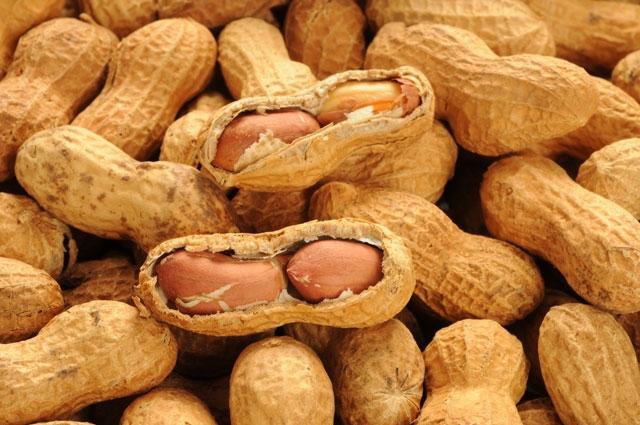
Osmaniye peanut is an agricultural product cultivated within the boundaries of Osmaniye Province and registered under its place of origin name. A yearly legume, the peanut is a taprooted plant that develops its fruits underground. It is notable for its composition of 45–60% oil, 20–30% protein, and a variety of vitamins and minerals. The seeds are typically large or medium in size, with shells ranging in color from cream to light brown. Osmaniye peanuts are used in the production of snacks, cooking oil, and peanut butter, while their press cake and shells are also utilized as animal feed and industrial raw materials.
Osmaniye peanut is an agricultural product cultivated within the boundaries of Osmaniye Province and protected under the “place of origin” designation. It was officially registered on 18 June 2003 by the Turkish Patent and Trademark Office, with its geographical scope limited exclusively to Osmaniye Province. The product is registered by the Osmaniye Chamber of Commerce. Osmaniye peanuts may be marketed under the term “Osmaniye Peanut” along with its geographical indication logo, provided they are used in conjunction with producer names and brands.
Osmaniye peanut is a taprooted legume and an annual oil crop that develops its fruits underground. Turkey’s overall peanut yield is approximately twice the global average, positioning Osmaniye Province as a major production center. Each plant produces around 600–1000 flowers, of which 60–75% are fertilized and develop into gynophores; of these, 8–13% penetrate the soil and mature into fruits. Each fruit node contains 1–4 fruits, with each fruit developing 2–4 seeds. Seed coats vary from light brown to dark brown, while shell colors range from cream to light brown.
Sowing is carried out with row spacing of 75–90 cm, plant spacing within rows of 15–20 cm, and planting depth of 5–9 cm, depending on soil structure and variety. In Osmaniye, the crop may be planted as a first crop between 10 April and 20 May, or as a second crop after wheat harvest. The growth cycle is generally divided into the following stages:
The Osmaniye peanut seed consists of two cotyledons and an embryo. By weight, cotyledons account for 93% of the seed, the shell 4%, and the embryo 3%. The seed composition per 100 g is as follows:
The weight of 1000 seeds ranges from 335 to 1160 grams. The moisture content of raw, unroasted seeds is between 5–7%, which is reduced to approximately 2% after roasting. Roasted peanuts contain approximately 600 calories per 100 grams.
The oil content of Osmaniye peanuts is approximately 50%. Around 80% of this oil consists of unsaturated fatty acids, with oleic acid at 45% and linoleic acid at 35%. The tocopherol (vitamin E) content is approximately 0.05%, sufficient to prevent oxidative deterioration of the oil.
During roasting, thiamin levels decrease, while niacin, riboflavin, and choline levels remain unchanged. Approximately 25% of the thiamin in the seed is found in the shell.
Osmaniye peanuts are utilized in various fields:
After harvest and threshing, Osmaniye peanuts are dried in piles until their moisture content is reduced below 10%. During storage:
The production and marketing of Osmaniye peanuts are monitored under the coordination of the Osmaniye Chamber of Commerce. The inspection committee consists of representatives from the Osmaniye Chamber of Commerce, the Osmaniye Chamber of Industry and Commerce, the Osmaniye Provincial Directorate of Agriculture and Forestry, and the Osmaniye Agricultural Chamber. In addition to routine inspections, investigations may be initiated upon complaint. Expert support from public or private institutions may be sought as needed during inspections.
Turk Patent and Trademark Office. "Osmaniye Yer Fıstığı." Turk Patent and Trademark Office. Accessed July 18, 2025. https://ci.turkpatent.gov.tr/cografi-isaretler/detay/37909.
Türk Patent ve Marka Kurumu. *Osmaniye Yer Fıstığı. Türk Patent ve Marka Kurumu*. Accessed July 18, 2025. https://ci.turkpatent.gov.tr/Files/GeographicalSigns/c174e8d5-768d-454e-be3c-03ced8e6eb91.pdf.

Registration Number | 54 | ||||||||
|---|---|---|---|---|---|---|---|---|---|
Registration Date | 18.06.2003 | ||||||||
Application Number | C2002/001 | ||||||||
Application Date | 07.02.2002 | ||||||||
Name of the Geographical Indication | Osmaniye Peanut | ||||||||
Product Name | Peanut | ||||||||
Type of Geographical Indication | Place of origin | ||||||||
Applicant/Registrant(s) | Osmaniye Chamber of Commerce | ||||||||
Address of the Registrant | İstiklal Mah. Ş. Mehmet Eroğlu Cad. No:58 OSMANİYE | ||||||||
Geographical Boundary | Within the boundaries of Osmaniye province | ||||||||
General Characteristics
Botanical Characteristics and Cultivation
Sowing and Growth Process
Chemical Composition and Nutritional Value
Fatty Acid Profile and Vitamin-Mineral Content
Mineral Content (per 100 g of seed):
Vitamin Content (micrograms per 100 g):
Applications
Storage Conditions
Inspection and Oversight