

This article was automatically translated from the original Turkish version.
+1 More
Registration Number | 1317 | ||||||||
|---|---|---|---|---|---|---|---|---|---|
Registration Date | 11.01.2023 | ||||||||
Application Number | C2021/000472 | ||||||||
Application Date | 15.11.2021 | ||||||||
Name of the Geographical Indication | Osmaniye Olive Oil | ||||||||
Product / Product Group(s) | Olive oil / butter including solid and liquid fats | ||||||||
Type of Geographical Indication | Certification mark | ||||||||
Applicant/Registrant(s) | Osmaniye Chamber of Commerce and Industry | ||||||||
Address of the Registrant | Adnan Menderes Bulvarı 9546 Sok. No:70 Merkez OSMANİYE | ||||||||
Geographical Boundary | Osmaniye Province | ||||||||
Osmaniye olive oil is a natural extra virgin olive oil obtained from Gemlik and Ayvalık olive varieties cultivated within the boundaries of Osmaniye Province. It is distinguished by its fruity taste profile, high green aroma, floral fragrance, pronounced bitterness, and pungency. Quality is preserved by performing the extraction process within 48 hours at most after harvest. Its chemical composition is characterized by low free fatty acid content and a balanced fatty acid profile.
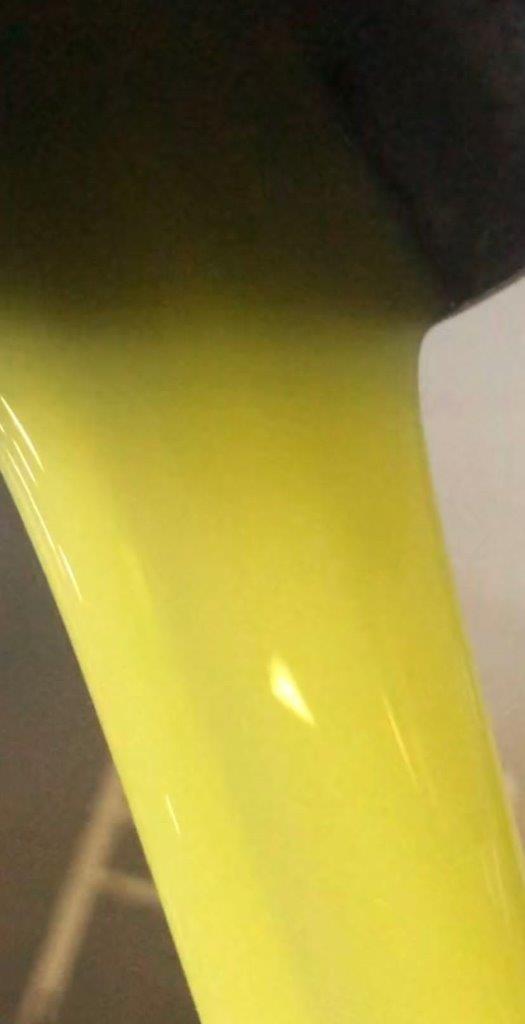
Osmaniye olive oil is a natural extra virgin olive oil derived from Gemlik and Ayvalık olive varieties grown within the boundaries of Osmaniye Province, featuring high green aroma and floral fragrance. Key attributes include a fruity taste, distinct bitterness, and pungency (sharpness), with sensory qualities further supported by chemical analyses. The extraction process is carried out within 48 hours at most after harvest. Color tones range from green to yellow, depending on the ripeness of the olives.
The sensory profile of Osmaniye olive oil includes a median fruity note of at least 6.4, a median bitterness of 6.0 or higher, and a median pungency of 6.1 or higher. The free fatty acid content has been measured at 0.5% ± 0.3%. Other chemical parameters include specific absorption coefficients (E232: 1.75 ± 0.65, E270: 0.161 ± 0.05), total phenolic content (530.2 ± 130 GAE), and a negative E value (-0.02 ± 0.03).
Negative attributes such as fusty, musty, muddy sediment, rancidity, or vinegary notes that could adversely affect the sensory integrity of the oil have not been detected in the product (median value: 0).
The fatty acid composition is as follows:
This composition indicates the characteristic fatty acid profile of Osmaniye olive oil.
Olive harvesting is performed manually or with appropriate machinery in a manner that avoids damage to the fruit, and olives are collected without falling to the ground. Damaged, fallen, or delayed olives are not processed. After harvest, transportation is carried out using plastic, breathable crates, and the product is processed within 48 hours.
Olives are first subjected to a two-stage washing process using pallet washers, spray systems, and sieve mechanisms. They are then crushed in continuous systems and subjected to malaxation. During this stage, oil droplets coalesce, breaking the emulsion and releasing the oil phase. Oil extraction is performed using two- or three-phase centrifuges. Pomace is separated from the oil by centrifugation.
The extracted oil is stored in stainless steel or chrome-nickel coated conical tanks, using inert gas or floating lid systems to minimize contact with air. Tanks are designed with level control and sampling capabilities. Olive oil is preserved in dark glass bottles or light-blocking tin containers, protected from light and heat.
Production of the product occurs exclusively within the boundaries of Osmaniye Province. The regional specificity of the olive varieties used and the product’s historical legacy and role in local culinary culture establish a direct link between the geographical origin and its uniqueness. All stages of production—including cultivation of Gemlik and Ayvalık varieties, harvesting, transportation, processing, and packaging—are conducted entirely within these boundaries.
Monitoring of the product is carried out by a minimum three-member oversight body composed of representatives from the Osmaniye Provincial Directorate of Agriculture and Forestry and the Osmaniye Olive Producers Union, under the coordination of the Osmaniye Chamber of Commerce and Industry. Inspections are conducted at least once annually and may be repeated in response to complaints or as needed. The following criteria are observed during inspections:
Technical support may be obtained from public institutions or specialized private organizations when necessary. The registering authority is responsible for safeguarding the product’s legal rights and managing the process related to the use of the geographical indication.
Turkish Patent and Trademark Office. "Osmaniye Zeytinyağı Coğrafi İşaret Detayı." Accessed July 18, 2025. https://ci.turkpatent.gov.tr/cografi-isaretler/detay/5488.
Turkish Patent and Trademark Office. "Osmaniye Zeytinyağı Coğrafi İşaret Tescil Belgesi." Accessed July 18, 2025. https://ci.turkpatent.gov.tr/Files/GeographicalSigns/71d2a144-2962-4a91-8ee7-facf2dcb63a5.pdf.

Registration Number | 1317 | ||||||||
|---|---|---|---|---|---|---|---|---|---|
Registration Date | 11.01.2023 | ||||||||
Application Number | C2021/000472 | ||||||||
Application Date | 15.11.2021 | ||||||||
Name of the Geographical Indication | Osmaniye Olive Oil | ||||||||
Product / Product Group(s) | Olive oil / butter including solid and liquid fats | ||||||||
Type of Geographical Indication | Certification mark | ||||||||
Applicant/Registrant(s) | Osmaniye Chamber of Commerce and Industry | ||||||||
Address of the Registrant | Adnan Menderes Bulvarı 9546 Sok. No:70 Merkez OSMANİYE | ||||||||
Geographical Boundary | Osmaniye Province | ||||||||
Distinguishing Characteristics
Sensory, Chemical, and Fatty Acid Composition
Production Process
Geographical Boundary and Production Linkage
Monitoring and Compliance Procedures