


This article was automatically translated from the original Turkish version.

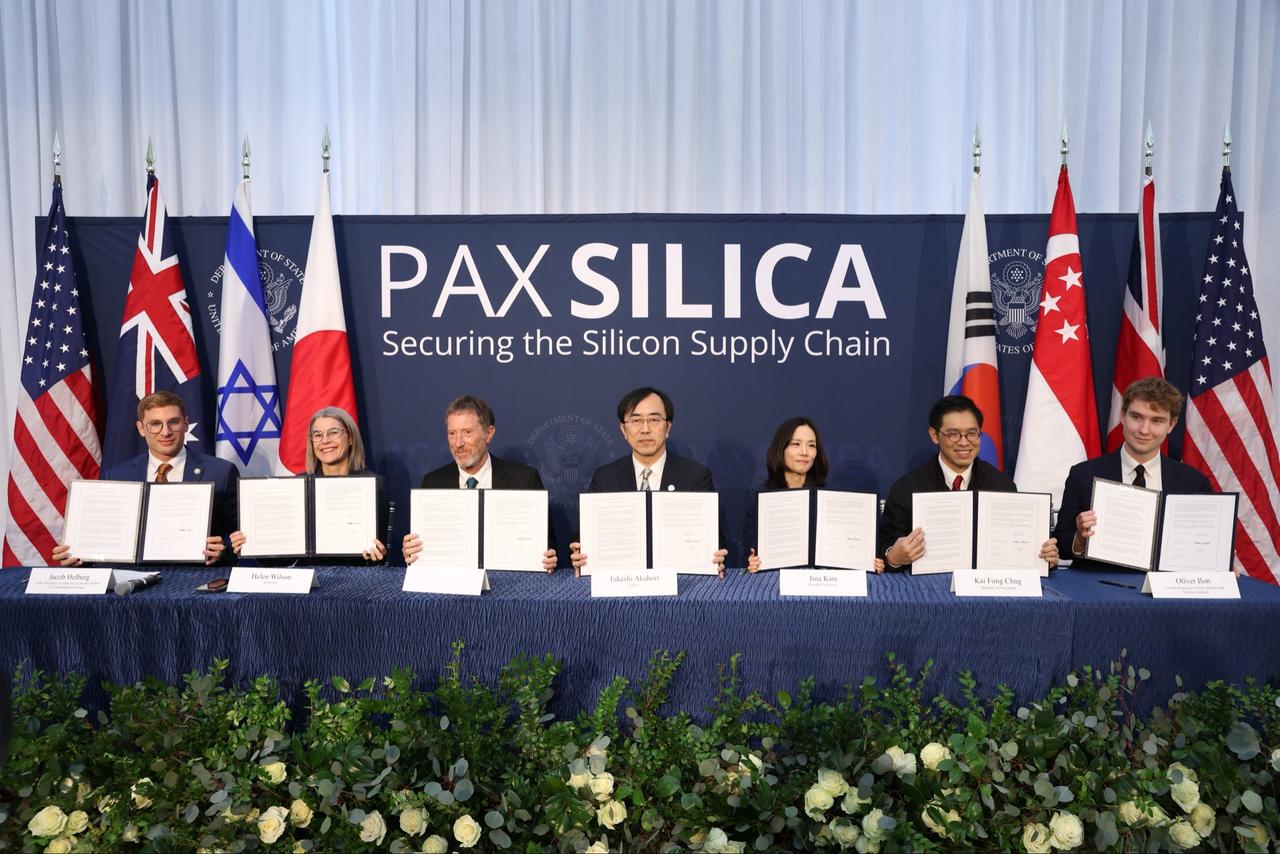
Çin’le derinleşen rekabet, ABD dış politikasında teknoloji ve ticaret odaklı yeni bir bloklaşma mantığını giderek belirleyici hale getirmektedir. Bu yönelimin izleri, birinci Trump başkanlığı döneminde başlatılan ticaret savaşlarında ve Biden yönetimiyle birlikte artan çip ve ileri teknoloji ihracatı kısıtlamalarında açıkça görülmektedir. Bu sürecin son halkasını ise geçtiğimiz Aralık ayında ilan edilen Pax Silica deklarasyonu ve etrafında şekillenen iş birliği grubu oluşturmaktadır. Teknolojiye erişim üzerinden kurgulanan bu bloklaşma, birçok devleti ABD merkezli üretim ve tedarik ekosistemine daha sıkı biçimde bağlamayı Çin’i ise bu yapının dışında tutmayı hedeflemektedir. Ne var ki Pax Silica, ABD’nin küresel düzen kurucu iddiasının yeniden üretiminden çok, bu iddianın belirgin biçimde daraltıldığı bir vizyona işaret etmektedir. Amaç, evrensel ölçekte norm koyan bir liderlik inşa etmekten ziyade ileri teknoloji tedarik zincirleri ve standartlar üzerinden şekillenen sınırlı sayıda uyumlu aktörle oluşturulmuş kontrol edilebilir bir etki alanı yaratmaktır. Bu nedenle Pax Silica ABD hegemonyasının yeni bir aşaması olarak değil hegemonik iddiaların vites küçülttüğü bir dönemin kavramsal ifadesi olarak okunmalıdır.
ABD’nin masasında uzun süredir bir Çin dosyası var. Çin Soğuk Savaş sonrası dönemde insan sermayesine yatırım sanayi kapasitesinin sistematik biçimde büyütülmesi ve küresel ticaret ağlarına derin entegrasyon üzerine kurulu bir kalkınma hattı izledi. Bu model ülkenin ekonomik refahını artırmanın yanında teknoloji tedarik zincirleri ve finansman kanalları üzerinden Pekin’e artan bir jeostratejik manevra alanı da sağladı. Bu dönüşüm ABD’nin uzun süredir sürdürdüğü küresel liderlik mimarisini doğrudan zorlayan bir etki yarattı. Zira Çin artık norm koyma alternatif kurumlar inşa etme ve üçüncü ülkelerin tercihlerini şekillendirme davranışları sergilemeye başlamıştı. Washington’un bu tabloya verdiği yanıt Obama döneminden itibaren daha görünür hale gelen Asya Pivotu yaklaşımıyla somutlaştı. Söz konusu yönelim ABD dış ve savunma politikasının ağırlık merkezinin Avrupa ve Orta Doğu’dan Asya-Pasifik’e kaydırılmasını ittifak ağlarının tahkim edilmesini ve Çin’in stratejik hareket alanının sınırlandırılmasını hedefliyordu. Bugün gelinen noktada ABD askeri kapasitesinden diplomatik angajmanlarına teknoloji politikalarından ticaret düzenlemelerine kadar geniş bir yelpazede stratejik kaynaklarının önemli bir bölümünü Çin’i çevreleme ve dengeleme amacına tahsis ediyor.
class=\
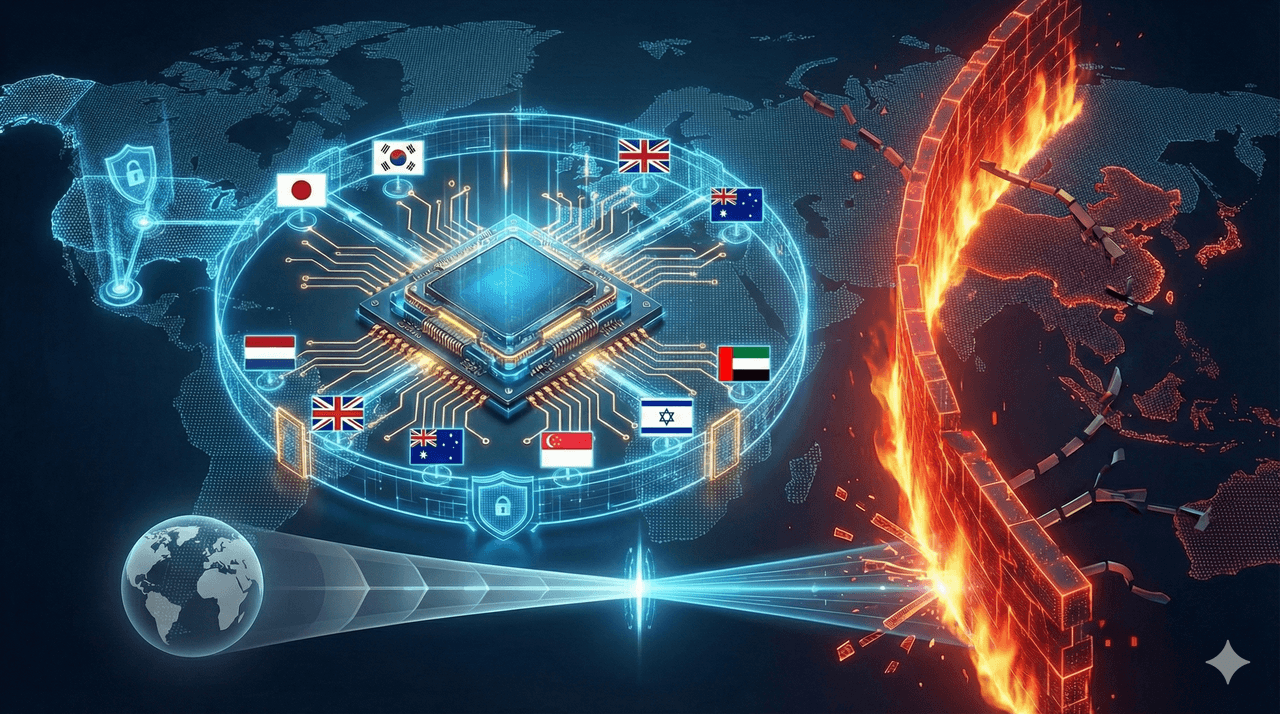
Pax Silica ABD’nin son yıllarda izlediği bu stratejik hattın tamamlayıcı ve kurumsallaştırıcı adımı olarak değerlendirilebilir. Aralık 2025’te başlatılan bu girişim klasik serbest ticaret anlayışından belirgin biçimde ayrılan güvenlik öncelikli ve seçici bir entegrasyon modeline dayanmaktadır. Programın çıkış noktası ileri teknoloji üretiminin temelini oluşturan silikon ve ilişkili girdilerin artık salt ekonomik değil doğrudan stratejik bir nitelik kazanmış olmasıdır. Bu çerçevede Pax Silica yarı iletkenler yapay zeka altyapıları kritik mineraller enerji ve lojistik ağlarını kapsayan geniş bir tedarik alanına odaklanmaktadır. Hedef bu alanlarda ülkelerin Çin’e yönelik bağımlılıklarını sınırlandırmak üretim kapasitesini ABD’nin güvenebileceği ortakları arasında yeniden konumlandırmak ve eş zamanlı olarak ABD merkezli bir teknoloji ve tedarik ekosistemi inşa etmektir. Böylece Pax Silica küreselleşmenin yeniden tanımlandığı bir dönemde ABD öncülüğünde şekillenen kontrollü ve blok temelli bir ekonomik düzen arayışının somut bir ifadesi haline gelmektedir. Bu bağlamda Pax Silica teknik bir iş platformundan ziyade jeopolitik tercihler temelinde inşa edilen stratejik bir ortaklık ağı olarak okunmalıdır. Üye profiline bakıldığında Japonya Güney Kore Singapur Birleşik Krallık Hollanda Avustralya İsrail ve Birleşik Arap Emirlikleri gibi ülkelerin tercih edilmesi dikkat çekicidir. Bu seçim ABD’nin teknoloji rekabetinde nicelikten çok nitelik odaklı ABD siyasetiyle uyumlu olabilecek aktörlerle ilerleme niyetini ortaya koymaktadır.
Bu çerçevenin sağlıklı biçimde kavranabilmesi için öncelikle kullanılan kavramsal tercihlere odaklanmak gerekir. Pax Romana ya da Pax Ottomana gibi tarihsel kullanımlar belirli bir zaman diliminde bir hegemon gücün tesis ettiği görece istikrar düzenini tanımlamak amacıyla tercih edilmiştir. Bu düzenler karşılıklı eşitliğe dayalı bir sistemden ziyade asimetrik güç dağılımına merkezileşmiş karar alma mekanizmalarına ve çevre aktörlerin merkezin belirlediği kurallara uyumuna dayanmıştır. Bu bağlamda Pax Silica kavramı söz konusu tarihsel geleneğe bilinçli bir gönderme niteliği taşımaktadır. Ancak burada dikkat çeken husus Pax Silica ile öngörülen düzen-kurucu unsurlarının oldukça alternatif bir şekilde ifade edilmiş olmasıdır. Burada bir hegemon gücün tesis ettiği düzenin gölgesinde gelişen refah ve istikrar periyodundan ziyade yarı iletken üretim kapasitesi veri ve dijital altyapılar teknik standartları belirleme yeteneği ve kritik girdiler üzerindeki denetim ile bir refah bloku oluşturma hedeflenmektedir. Bu da ABD’nin eski Liberal Uluslararası Düzen perspektifiyle karşılaştırıldığında bir vizyon daralması ya da vites küçültme olarak değerlendirilebilir.
Pax Silica klasik hegemonik düzenlerle karşılaştırıldığında belirgin süreklilikler ve kırılmalar içermektedir. Süreklilik boyutu istikrarın yine hiyerarşik bir yapı üzerinden üretilmesinde ortaya çıkmaktadır. Düzenin merkezinde konumlanan aktörler normları ve işleyiş kurallarını tanımlama kapasitesini elinde tutarken çevrede yer alan aktörler bu kurallara uyum sağladıkları ölçüde sisteme eklemlenebilmekte ve ortaya çıkan ekonomik ve teknolojik imkanlardan faydalanabilmektedir. Bu yönüyle Pax Silica merkez ile çevre arasındaki asimetrik ilişkiyi yeniden üretmektedir. Buna karşılık kopuş noktası söz konusu hiyerarşinin tesis edilme biçiminde belirginleşmektedir. Pax Silica doğrudan güç kullanımı yerine daha dolaylı ve yapısal araçlar üzerinden işlemeyi hedeflemektedir. Teknolojiye erişim tedarik zincirlerine dahil olma standartlara uyum ve kritik girdilere ulaşım gibi alanlar yeni dönemin başlıca zorlayıcı mekanizmaları haline gelmiştir. Bu araçlar klasik sert güç kullanımına kıyasla daha düşük görünürlükle fakat daha kalıcı etkilerle çalışmaktadır. Bu çerçevede Pax Silica ABD merkezli teknoloji ve üretim ekosisteminin dışında kalmanın maliyetini sistematik biçimde yükseltecek bir yapı inşa etmeye çalışmaktadır. Mesele doğrudan tehdit üretmekten çok uyum göstermeyen aktörleri küresel değer zincirlerinin dışında bırakma riskini sürekli canlı tutmaktır. Böylece hegemonik düzen tercihleri sınırlayan seçenekleri daraltan ve bağımlılık ilişkileri üreten bir mimari üzerinden sürdürülebilir kılınmaktadır.
Bu yaklaşım küresel ekonomik yönetişimde daha geniş ölçekli bir zihniyet dönüşümünün somut bir yansıması olarak okunmalıdır. Soğuk Savaş sonrasında baskın olan paradigma serbest ticaretin ve bütünleşmiş küresel piyasaların kendi dinamikleri üzerinden istikrar ve refah üreteceği varsayımına dayanıyordu. Bu çerçevede devletin temel işlevi piyasanın işleyişini kolaylaştırmak engelleri azaltmak ve düzenleyici müdahaleyi asgari düzeyde tutmak şeklinde kurgulanmıştı. Pax Silica ise ABD’nin bu varsayımı artık sürdürülebilir kabul etmediğini açık biçimde ortaya koymaktadır. Güncel yaklaşımda devletler özellikle stratejik nitelik taşıyan sektörlerde üretimin coğrafi dağılımına ortaklıkların niteliğine ve hangi bağımlılık ilişkilerinin tolere edilebilir olduğuna doğrudan müdahil olmaktadır. Bu müdahale piyasa mekanizmasının tamamen dışlanması anlamına gelmemekte ancak güvenlik kaygılarının ekonomik rasyonaliteye baskın olduğu yeni bir denge arayışını yansıtmaktadır. Bu süreçte ekonomik verimlilikten belirli ölçülerde taviz verildiği görülmektedir. Buna karşılık hedeflenen kazanım ulusal güvenlik açısından öngörülebilirlik kriz anlarında işleyebilirlik ve yapısal dayanıklılığın artırılmasıdır. Pax Silica bu dönüşümü hem kavramsal hem de kurumsal düzeyde kristalize eden bir çerçeve sunmaktadır.
Teknolojinin bu yeni düzenin merkezine yerleşmesi rastlantısal değildir. Hesaplama gücü yarı iletkenler ve veri altyapıları ekonomik büyümenin itici unsurları olmanın ötesinde askeri kapasitenin inşasında istihbarat toplama ve analiz süreçlerinde ve toplumsal denetim mekanizmalarının işleyişinde belirleyici bir rol üstlenmektedir. Bu alanlarda sahip olunan kapasite devletlerin mevcut rekabet düzeyini olduğu kadar gelecekte hangi gelişme rotalarına erişebileceğini de tayin etmektedir. Bu nedenle teknoloji klasik anlamda sektörlerden biri olmaktan çıkmış doğrudan güç üretiminin altyapısına dönüşmüştür. Yarı iletken üretiminden veri işleme standartlarına kadar uzanan zincirin kontrolü bugünün piyasalarının yanında yarının askeri doktrinlerine sanayi yapısına ve yönetişim modellerine de etki etmektedir. Kapasite sahibi olmayan aktörler için sorun rekabette geri kalmaktan öte alternatif gelişme seçeneklerinin giderek daralmasıdır. ABD Pax Silica inisiyatifiyle bu gerçekliği merkeze alarak teknolojiyi düzenin kurucu unsuru haline getirmektedir. Böylece teknoloji hiyerarşinin tesis edildiği bağımlılıkların şekillendiği ve küresel düzenin yeniden üretildiği temel bir omurga işlevi görmektedir.
class=\
Pax Silica’nın stratejik referans noktasının Çin olduğu açıktır. Bu çerçevede Pax Silica’ya dahil olmanın temel koşulu stratejik nitelik taşıyan alanlarda Çin’e yönelik bağımlılıkların sınırlandırılması tedarik ilişkilerinde mesafe koyulması ve özellikle güvenlik riski üretme potansiyeli taşıyan bağlantılardan kaçınılmasıdır. Bu çerçevede ABD’nin stratejik hedefi müttefik ve ortaklarını kendisine daha derin ve yapısal biçimde bağımlı kılma arayışı olarak okunmalıdır. Bu bağımlılık ilişkisi açık bir karşılıklı çıkar söylemi üzerinden inşa edilmektedir. Pax Silica’ya katılan ülkeler ileri teknolojiye erişim gibi avantajlar elde etmeyi hedeflemektedir. Ancak bu kazanımlar aynı zamanda ABD’nin belirlediği standartlara uyum tedarik tercihlerini belirli eksenlerde sınırlama ve stratejik alanlarda hareket serbestisinin daralması gibi sonuçlar doğurmaktadır. ABD açısından bu yaklaşım Çin ile rekabette yalnızca kendi kapasitesini artırmakla yetinmeyen müttefiklerinin de manevra alanını eşgüdümlü biçimde yöneten bir stratejiye işaret etmektedir. Kritik teknolojilerde ABD merkezli ağlara entegre olan ülkeler zaman içinde veri yazılım üretim ekipmanları ve standartlar bakımından bu ekosistemin dışına çıkmakta zorlanan aktörler haline gelmektedir. Bu durum ABD’ye yalnızca ekonomik kazanç değil diplomatik pazarlıklarda ve kriz anlarında ilave bir kaldıraç sağlamaktadır.
Son tahlilde Pax Silica ABD’nin küresel düzen tahayyülünde belirgin bir daralmaya işaret etmektedir. Uzun bir dönem boyunca Washington dünyanın nasıl bir yer olması gerektiğine dair doğru veya yanlış bir vizyon üretmiş kimi zaman bu vizyonu normatif iddialarla kimi zaman ise güç politikalarıyla hayata geçirmeye çalışmıştır. Bu süreçte atılan adımların sonuçları tartışmalı olsa da ABD’nin küresel ölçekte yön tayin etme iddiası açıktı. Pax Silica ise bu iddianın giderek geri plana itildiğini göstermektedir. Bugün ABD evrensel bir düzen kurucu olmaktan ziyade riskleri yönetilebilir kılmaya çalışan ve etki alanını daraltan bir yaklaşım benimsemektedir. Vites küçültmüş bu strateji geniş bir küresel mimari inşa etmek yerine yanına toplayabildiği aktörlerle sınırlı uyumlu ve kontrol edilebilir bir blok oluşturmakla yetinme tercihini yansıtmaktadır.
U.S. Department of State. “Pax Silica.” U.S. Department of State, December 12, 2025. Accessed January 20, 2026.https://www.state.gov/pax-silica
ABD’nin Çin Dosyası
Zihniyet Dönüşümü