

This article was automatically translated from the original Turkish version.
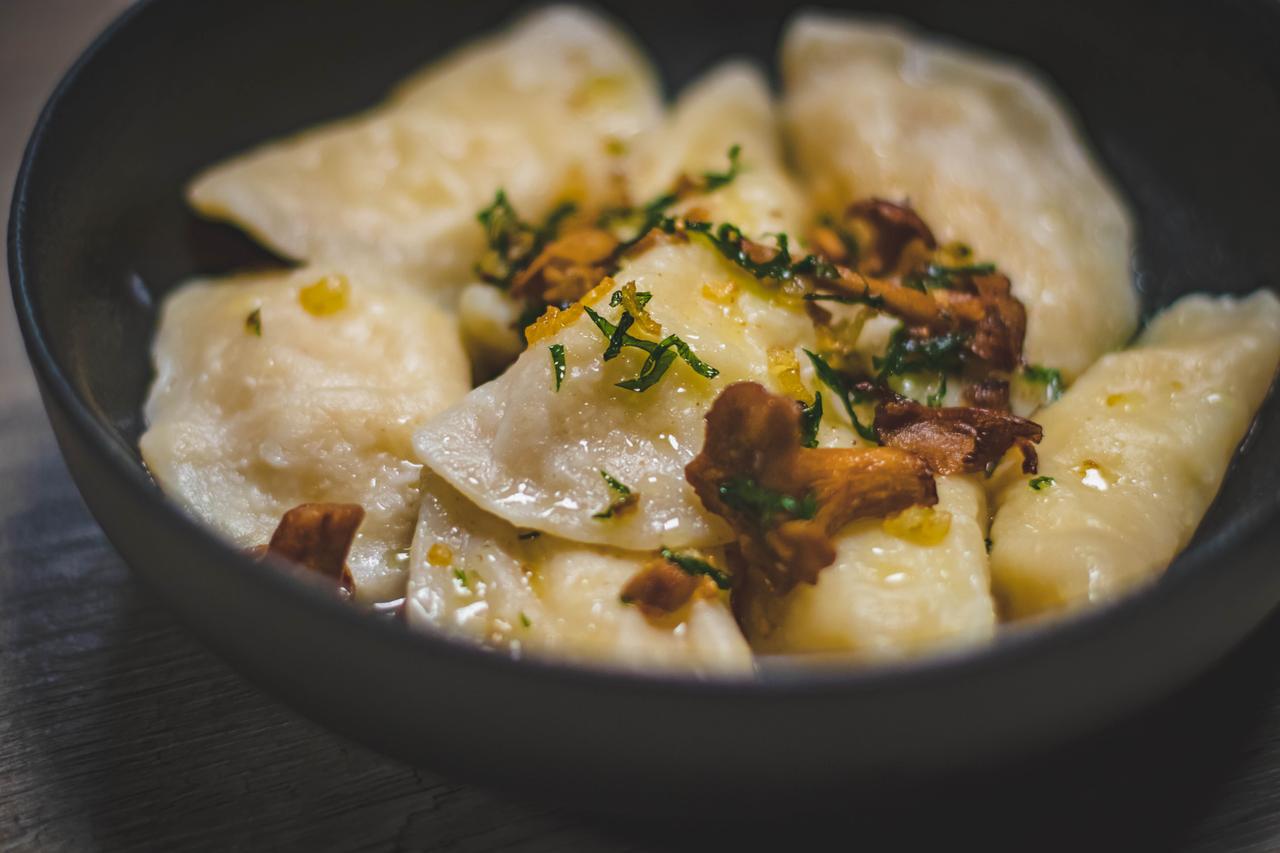
Pierogi are a type of filled dough dish commonly found in Central and Eastern European cuisines. Particularly associated with Polish cuisine, this dish is prepared by rolling out thin dough, placing various fillings inside, sealing it, and typically boiling it to cook. Pierogipierogi come in both savory and sweet varieties and have a wide range of uses due to their adaptable fillings.
Information about the history of pierogi can be traced through written sources related to Polish culinary culture. For instance, the work of Stanisław Czerniecki, who lived in the 17th century, includes references to dough dishes similar to pierogi, demonstrating that the dish was known in early Polish cuisine.【1】 Such records indicate that pierogi have a long history and have evolved over time into various forms.
Although no definitive origin point for pierogi can be established, it is well known that similar dough dishes have been widely prepared across Central and Eastern Europe. Regional variations in fillings and preparation methods show how pierogi diversified throughout history to reach their current form.
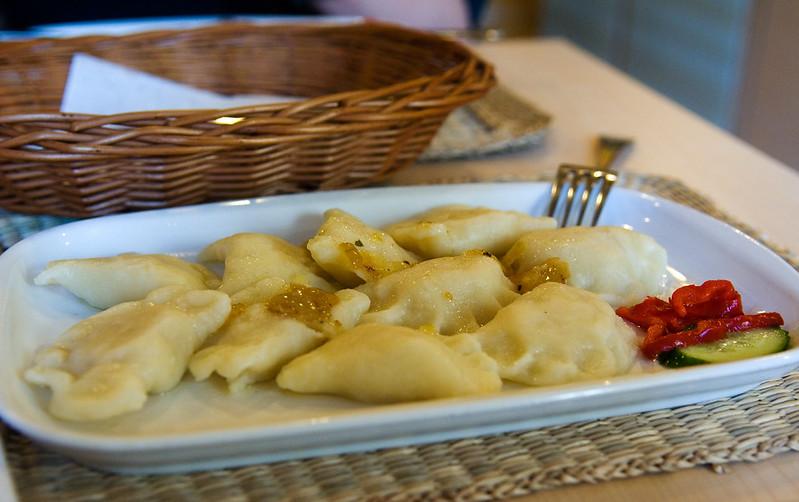
Pierogi (Flickr)
The fundamental component in preparing pierogi is dough, typically made from flour, water, and sometimes eggs, which is then rolled out thinly. Small pieces of dough are cut and filled with various mixtures before being sealed.
Fillings vary according to regional preferences and taste. Savory varieties commonly include potatoes, cheese, meat, cabbage, and mushrooms, while sweet varieties use fruit and sugar-based mixtures. Prepared pierogi are most often boiled in boiling water, though in some cases they are pan-fried in butter after boiling before serving.
Pierogi are categorized by their fillings. Among the most common varieties are those filled with a mixture of potatoes and cheese, and others containing cabbage and mushrooms. These types hold a significant place in traditional Polish cuisine.
Sweet pierogi varieties are generally prepared with fruit fillings and served with a sweet flavor. These are especially favored during summer months or on special occasions. The use of different fillings allows pierogi to be consumed both as a main dish and as a dessert.
In Poland, pierogi are not merely regarded as a dish but as an integral part of traditional culinary culture. Their preparation during family meals, holidays, and special occasions highlights their connection to social life.
Making such dishes is often a collective activity involving multiple family members, contributing to the cultural transmission of pierogi as a shared practice. Additionally, the use of different fillings in various regions reflects the influence of local culinary traditions on this dish.
[1]
Muzeum Pałacu Króla Jana III w Wilanowie, “Stanisław Czerniecki’s Old Polish Pierogi,” Muzeum Pałacu Króla Jana III w Wilanowie, access date: 23 March 2026,
https://wilanow-palac.pl/en/knowledge/stanislaw-czerniecki-s-old-polish-pierogi.

Historical Development
Fillings and Preparation
Varieties
Cultural Context