

 Recently Added:
This article was automatically translated from the original Turkish version.
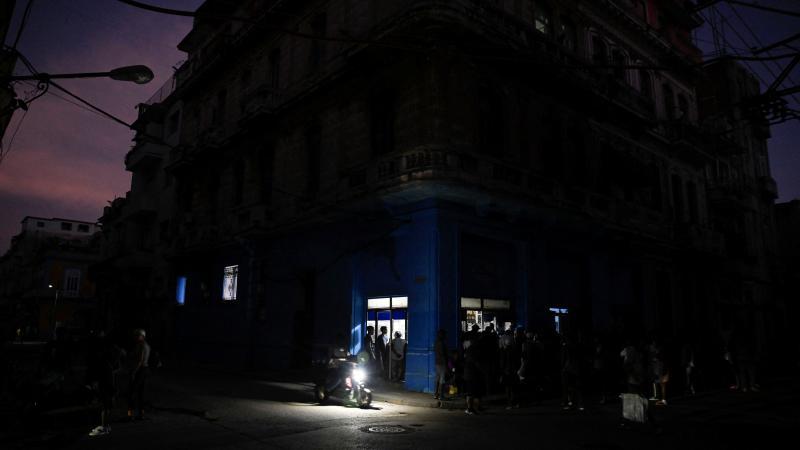
In March 2026 a widespread power outage occurred across Cuba. Due to a technical failure in the national electricity system millions of people in the western and central regions were left without power. Energy supply was completely halted in numerous cities including the capital Havana. The outage resulted in the collapse of the national grid causing temporary shutdowns of generation and transmission activities across the system.
It was reported that the outage originated from a serious malfunction at the Antonio Guiteras Thermal Power Plant. This plant holds a central position within the national grid as one of Cuba’s largest and most critical electricity generation facilities. The technical issue at the plant was said to have disrupted the balance of the national interconnected system triggering a cascading collapse.
According to official statements the fault occurred in one of the thermal plant’s generating units. Following the failure frequency and voltage imbalances emerged prompting the activation of system safety mechanisms. As per security protocols the automatic disconnection of generating units led to the complete shutdown of the national electricity system.
The grid collapse was caused by the sudden loss of generation capacity and the disruption of load balance on transmission lines. Expert assessments indicated that Cuba’s electricity infrastructure has limited backup capacity and that the failure of a major generating unit triggered widespread system instability.
It was announced that repair efforts had been initiated with the goal of gradually restoring the system. Regional resynchronization procedures were implemented to restore electricity supply in a phased manner.
Cuba’s electricity generation structure relies heavily on thermal power plants. A significant portion of generation is provided by facilities fueled by fuel oil and crude oil derivatives. It is well known that many of the country’s thermal plants operate on outdated technology and require high levels of maintenance.
Limited investment in modernizing the energy infrastructure has increased the system’s vulnerability to failures. Low levels of spare generation capacity and the simultaneous maintenance needs of most generating facilities have intensified pressure on the national grid.
In addition technical losses in transmission and distribution lines negatively affect energy efficiency. These structural issues have facilitated the transformation of a large-scale generation fault into a nationwide outage.
A significant portion of the fuel used for electricity generation in Cuba is imported. Oil and its derivatives have traditionally been sourced from countries such as Venezuela. However fluctuations in this supply chain have been reported in recent years.
Indirect effects of U.S. energy sanctions on Venezuela have reduced Cuba’s fuel procurement capacity. Declines in oil shipments have made it difficult for thermal plants to operate at full capacity. This has led to shrinking production reserves and reduced system flexibility.
It was reported that some power plants have been forced to reduce their capacity due to fuel shortages creating structural pressure on the national electricity system.
The power outage affected a wide area stretching from Pinar del Río in the west to the central regions of the country. Public services transportation systems and commercial activities in Havana were severely disrupted. In parts of the eastern regions electricity supply continued due to limited local generation capacity.
The collapse of the national electricity system affected not only households but also industrial facilities public institutions and communication infrastructure. Television and radio broadcasts experienced interruptions and mobile communication services were temporarily weakened in some areas.
Authorities activated emergency plans to prioritize energy supply to hospitals water treatment plants and critical infrastructure. Generator-supported systems were deployed especially in healthcare facilities.
Cataract surgeries planned public services and certain production activities were temporarily suspended. Classes in educational institutions were halted and some public employees were directed to work from home.
It is planned that electricity supply will be restored regionally and in rotation during the estimated repair period.
The March 2026 outage has been assessed as part of an ongoing energy crisis in the country. Similar national or regional grid collapses have occurred in previous periods. This pattern demonstrates that structural problems in the electricity infrastructure have become chronic.
Repeated outages have highlighted the ongoing need for maintenance and modernization. The necessity of diversifying electricity generation and increasing investment in renewable energy has become a subject of public debate.
BBC News. "Millions of Cubans plunged into darkness as fuel crisis deepens" BBC News. Accessed March 5, 2026. https://www.bbc.com/news/articles/cx2ggpq1742o
TRT Haber. "Küba’da enerji santralindeki arıza nedeniyle milyonlarca kişi elektriksiz kaldı." TRT Haber. Accessed March 5, 2026. https://www.trthaber.com/haber/dunya/kubada-enerji-santralindeki-ariza-nedeniyle-milyonlarca-kisi-elektriksiz-kaldi-936573.html
The Guardian. "Blackout in Cuba leaves millions without power amid US oil chokehold." The Guardian. Accessed March 5, 2026. https://www.theguardian.com/world/2026/mar/04/blackout-cuba-us-oil

In March 2026, Cuba experienced a widespread power outage across the country. Following a malfunction at the Antonio Guiteras Thermal Power Plant, the national electricity system collapsed, leaving millions of people without power including in the capital Havana. Authorities announced that emergency measures had been taken for hospitals and critical infrastructure, and it was reported that difficulties in fuel supply had hampered energy production.
No Discussion Added Yet
Start discussion for "Power Outage and Energy Crisis in Cuba (March 2026)" article
March 5, 2026
Technical Causes and Grid Collapse
March 5, 2026
Structural Characteristics of the Energy Infrastructure
March 5, 2026
Fuel Supply and External Dependence
March 5, 2026
Geographical Spread of the Outage
March 5, 2026
Public Services and Emergency Measures
March 5, 2026
Previous Power Outages and Continuity