

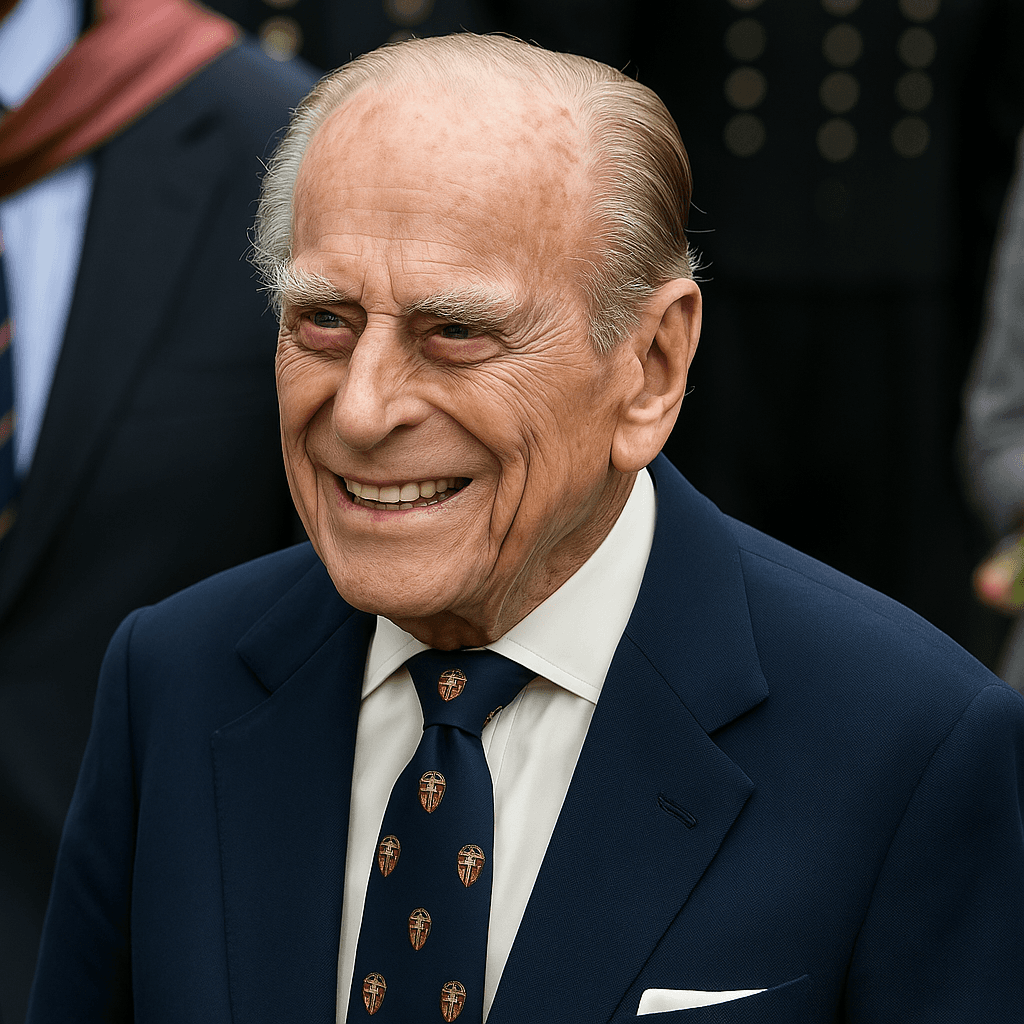
+1 More

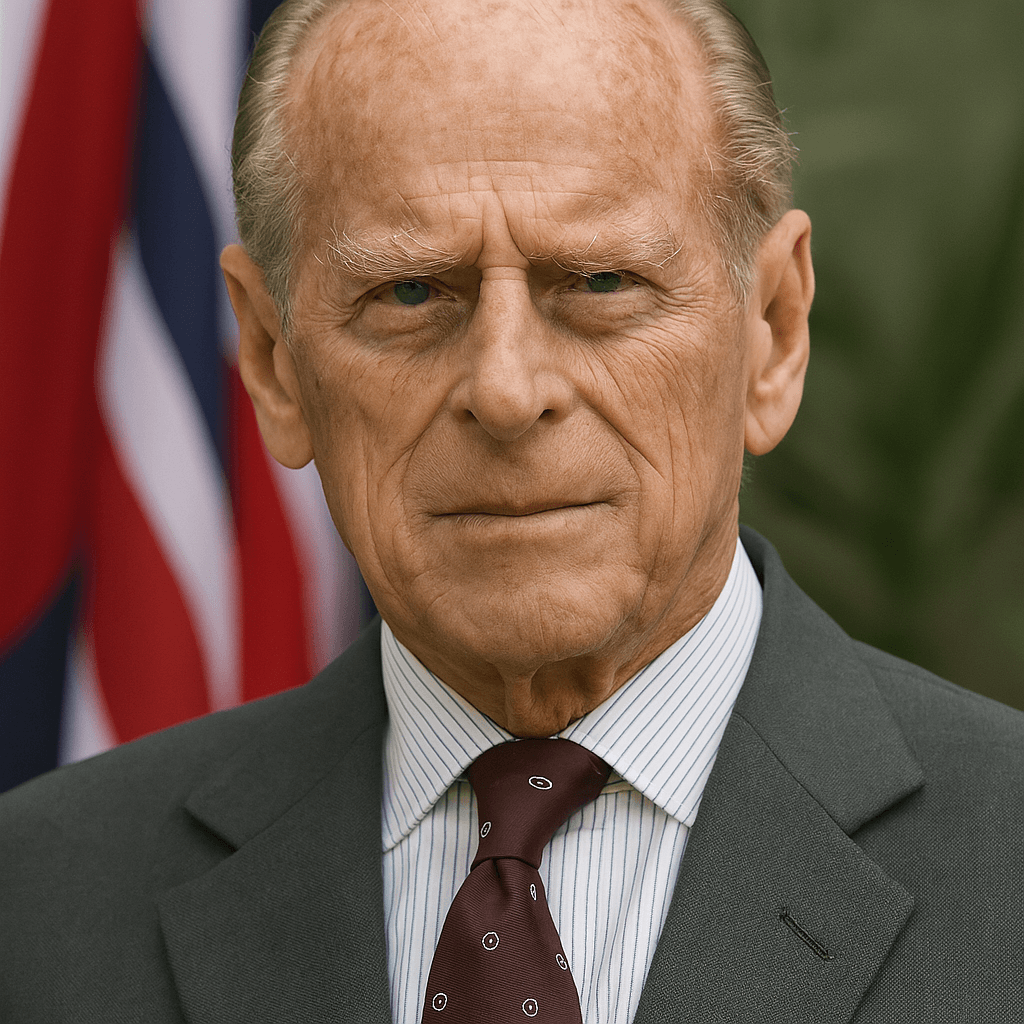
British Royal Title | Duke of Edinburgh | ||||||||
|---|---|---|---|---|---|---|---|---|---|
Date of Birth | 10 June 1921 | ||||||||
Place of Birth | Mon Repos Palace, Corfu, Greece | ||||||||
Date of Death | 9 April 2021 | ||||||||
Place of Death | Windsor Castle, Berkshire, England | ||||||||
Citizenship | United Kingdom (after 1947) | ||||||||
Father’s Name | Prince Andrew (Prince of Greece and Denmark) | ||||||||
Mother(s) | Princess Alice (Princess of Battenberg) | ||||||||
Spouse(s) | Queen Elizabeth II (marriage: 1947–2021) | ||||||||
Child | Prince Edward Prince Andrew Princess Anne Prince Charles (King Charles III) | ||||||||
Educational Institutions | Gordonstoun School (Scotland) Schule Schloss Salem (Germany) Cheam School (England) | ||||||||
Funeral Ceremony | 17 April 2021, St. George's Chapel, Windsor | ||||||||
Grave | St. George's Chapel, Windsor, England | ||||||||
Prince Philip, Duke of Edinburgh, was the longest-serving consort of a British monarch in the 20th and early 21st centuries. He joined the British Royal Family upon marrying Princess Elizabeth in 1947 and became the official consort to the Queen following her accession to the throne in 1952.
Philip attracted attention not only as a symbolic consort but also as an active public official who took on significant roles in youth development, environmental policy, science and engineering. His childhood, beginning in exile, and his life devoted to military service and public duty culminated in a biography defined by lifelong commitment to public service.
Philip was born on 10 June 1921 on the Greek island of Corfu. His father was Prince Andrew of Greece and Denmark; his mother was Princess Alice of Battenberg. As a member of the Greek Royal Family, Philip also descended from an aristocratic lineage with Danish and German roots. The family left Greece in 1922 following political crises and settled in France.
During his childhood, Philip’s family dispersed and he was raised by various relatives due to his mother’s psychological illness. During this period he frequently changed schools and completed his education in several different countries.

Prince Philip and Queen Elizabeth –Royal Family
Philip’s early education began in France and continued at Cheam School in England. After a brief period at Schloss Salem School in Germany, he transferred to Gordonstoun School in Scotland due to the rise of the Nazi regime. Gordonstoun was known for its disciplined and character-building educational philosophy. The education he received there is widely regarded as having shaped his later understanding of leadership and duty.
In 1939, at the age of 18, Philip joined the Royal Navy. During the Second World War he served actively in the Mediterranean and Pacific fleets, holding officer positions aboard HMS Ramillies, HMS Valiant and HMS Whelp. Promoted to lieutenant in 1942, Philip participated in numerous operations throughout the war. These experiences strengthened his military discipline and leadership qualities.
Philip first met Princess Elizabeth in 1939 at Windsor. He proposed in 1946 and their engagement was announced the following year. Before the marriage he renounced his Greek and Danish titles, became a British subject and adopted the surname Mountbatten from his mother’s family. They were married on 20 November 1947 at Westminster Abbey.
Following the marriage, Philip was granted the titles Duke of Edinburgh, Earl of Merioneth and Baron Greenwich by King George VI. The couple had four children: Prince Charles (1948), Princess Anne (1950), Prince Andrew (1960) and Prince Edward (1964).
After Queen Elizabeth II ascended the throne in 1952, Philip assumed royal duties. Throughout his life he attended over 22,000 public engagements and supported more than 600 organizations. He played active roles in civil society institutions focused particularly on youth development, the environment, engineering and nature conservation.
The Duke of Edinburgh’s Award programme, which he founded in 1956, became an international organization supporting the personal development of young people in over 130 countries. Philip also collaborated with institutions such as the British Industrial Biological Research Association, the Royal Society and the World Wildlife Fund (WWF).
Prince Philip announced his retirement from official duties in 2017 at the age of 96. From that date onward he made only limited appearances at public events. In early 2021 he was hospitalized due to a health issue and underwent heart surgery on 3 March 2021.
He died on 9 April 2021 at Windsor Castle at the age of 99. His funeral was held on 17 April 2021 at St George’s Chapel with limited attendance due to COVID-19 restrictions.
Prince Philip was not merely a symbolic figure in British history but a figure recognized for his dedication to public service and social contributions. His disciplined lifestyle, socially oriented approach and emphasis on youth initiatives established a distinct role within the monarchy. While his outspoken remarks and direct manner drew public criticism over the years, his decades of public service and loyalty earned the admiration of the British public and historical scholarship.
Anadolu Ajansı. "İngiliz Kraliyet Ailesi Prens Philip’in Ardından Yas Tutuyor." Anadolu Ajansı, April 11, 2021. Accessed April 8, 2025. Accessed Linki.
Anadolu Ajansı. "İngiltere Kraliçesi 2. Elizabeth’in Eşi Prens Philip Hayatını Kaybetti." Anadolu Ajansı, April 9, 2021. Accessed April 8, 2025. Accessed Linki.
Anadolu Ajansı. "İngiltere Kraliçesi 2. Elizabeth’in Eşi Prens Philip İçin Cenaze Töreni Düzenlendi." Anadolu Ajansı, April 17, 2021. Accessed April 8, 2025. Accessed Linki.
Anadolu Ajansı. "İngiltere'de Prens Philip Kalp Ameliyatı Oldu." Anadolu Ajansı, March 4, 2021. Accessed April 8, 2025. Accessed Linki.
BBC Türkçe. "Prens Philip Kimdir?" BBC Türkçe. April 3, 2018. Accessed April 8, 2025. Accessed Linki.
Biography.com. "Prince Philip and Queen Elizabeth’s Marriage: A Royal Love Story Marked by Sacrifice." Biography.com. Accessed April 8, 2025. Accessed Linki.
Biography.com. "Prince Philip." Biography.com. Accessed April 8, 2025.
Biyografiler.com. "Philip Mountbatten." Biyografiler.com. Accessed April 8, 2025. Accessed Linki.
CBS News. "Queen Elizabeth II and Prince Philip's 70-Year Love Story." CBS News. Accessed April 8, 2025. Accessed Linki.
The Royal Family. "Early Life and Education." The Royal Family. Accessed April 8, 2025. Link

British Royal Title | Duke of Edinburgh | ||||||||
|---|---|---|---|---|---|---|---|---|---|
Date of Birth | 10 June 1921 | ||||||||
Place of Birth | Mon Repos Palace, Corfu, Greece | ||||||||
Date of Death | 9 April 2021 | ||||||||
Place of Death | Windsor Castle, Berkshire, England | ||||||||
Citizenship | United Kingdom (after 1947) | ||||||||
Father’s Name | Prince Andrew (Prince of Greece and Denmark) | ||||||||
Mother(s) | Princess Alice (Princess of Battenberg) | ||||||||
Spouse(s) | Queen Elizabeth II (marriage: 1947–2021) | ||||||||
Child | Prince Edward Prince Andrew Princess Anne Prince Charles (King Charles III) | ||||||||
Educational Institutions | Gordonstoun School (Scotland) Schule Schloss Salem (Germany) Cheam School (England) | ||||||||
Funeral Ceremony | 17 April 2021, St. George's Chapel, Windsor | ||||||||
Grave | St. George's Chapel, Windsor, England | ||||||||
Early Life and Family
Educational Background
Military Career
Marriage to Queen Elizabeth II
Royal Duties and Public Service
Retirement and Death
Titles and Honours
Evaluation and Legacy