


This article was automatically translated from the original Turkish version.
+2 More
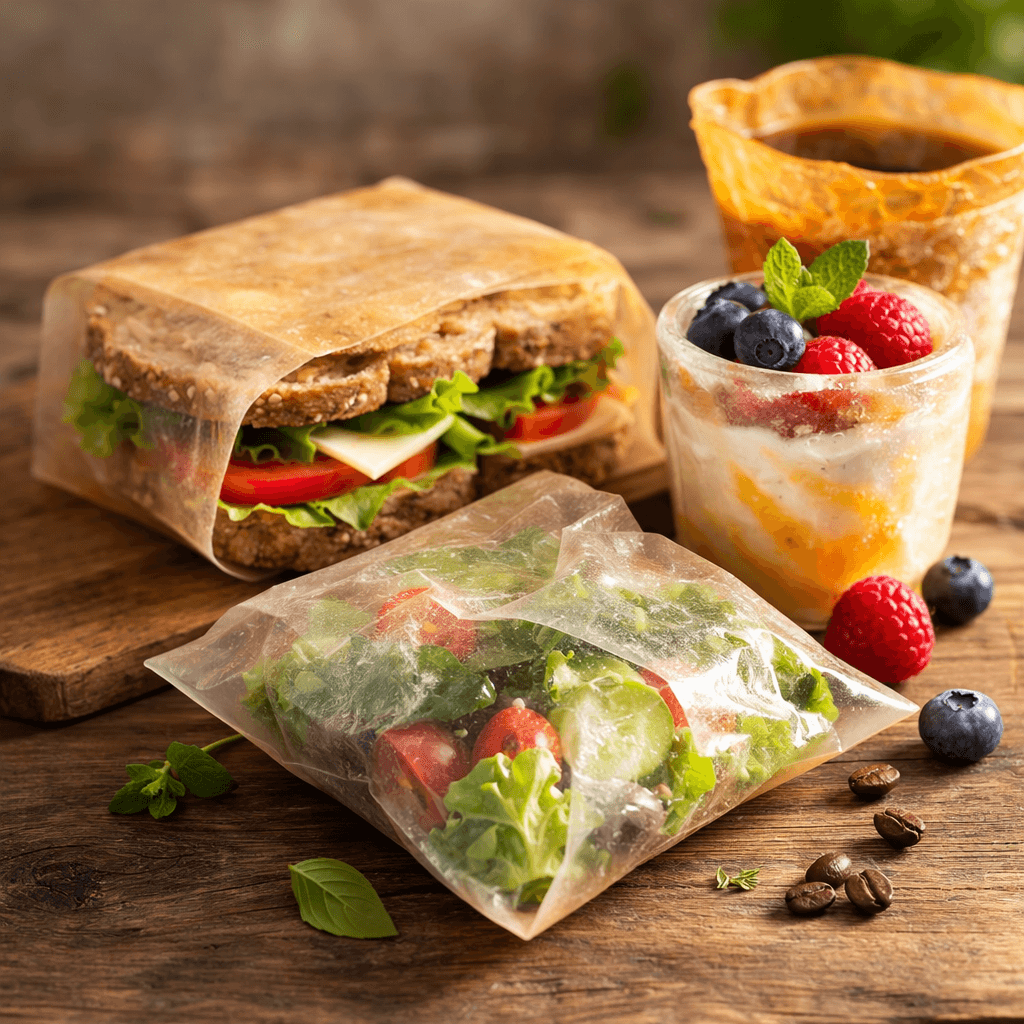
Reusable Packaging
(Generated with Artificial Intelligence)
Reusable Packaging
Definition(s) | Edible biologically derived protective film | ||||||||
|---|---|---|---|---|---|---|---|---|---|
Challenge(s) | Water sensitivity Cost Low mechanical strength | ||||||||
Advantage(s) | 100% biodegradable Can enhance nutritional value Generates no waste | ||||||||
Function(s) | Oxygen/moisture barrier Extended shelf life Microbial protection | ||||||||
Component(s) | Polysaccharides Plasticizers Lipids Proteins | ||||||||
Edible packaging; thin materials that are either applied directly onto food items or placed between layers and are designed to be consumed along with the food. Produced from biopolymers derived from natural sources, these packages are used to prevent moisture loss in food, regulate gas exchange, and preserve food quality. This technology, which either provides additional protection beyond traditional plastic packaging or directly replaces it, offers an environmentally friendly alternative due to its biodegradable structure.
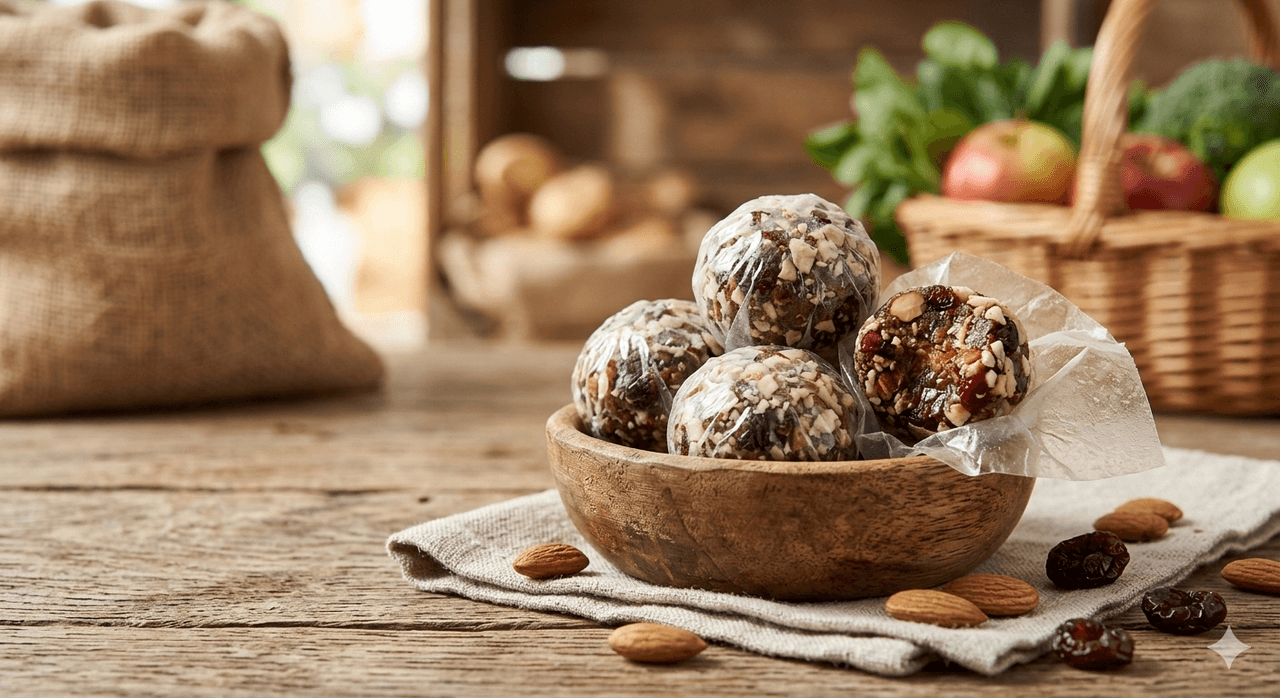
Example of Edible Packaging
(Generated by Artificial Intelligence)
Edible films and coatings are classified into three main categories based on the chemical composition of their primary raw materials.
This group consists of polysaccharides and proteins. Polysaccharide-based packaging materials commonly include starch, cellulose derivatives, alginate, pectin and chitosan. Protein-based materials include gelatin, casein, whey protein, zein and wheat gluten. Hydrocolloids provide strong barriers against gases such as oxygen and carbon dioxide but exhibit weaker resistance to water vapor permeability due to their hydrophilic nature.
Waxes, fatty acids and acylglycerols belong to this group. Lipid-based coatings are highly effective in preventing water vapor transmission due to their hydrophobic character. However, due to their low mechanical strength and brittle structure, they are typically used in combination with other polymers rather than alone.
These are hybrid structures designed to combine the advantageous properties of both hydrocolloids and lipids. Such systems consist of multilayer or emulsion-based structures that simultaneously provide the required gas barrier and moisture protection for food.
Edible packaging is divided into two types based on application method: films and coatings. Coatings are applied to the food surface by dipping or spraying and become an integral part of the food, while films are pre-formed structures used to wrap food items.
Edible packaging slows down food oxidation, preserves aroma and delays textural deterioration. In fruits and vegetables, it controls respiration to maintain freshness. In meat and dairy products, it minimizes moisture loss, thereby preventing weight and quality degradation.
These packages can function as active packaging due to the antimicrobial and antioxidant substances they contain. They enhance food safety by inhibiting microbial growth on the food surface. Additionally, they have the capacity to improve the nutritional value of food through the incorporation of vitamin and mineral supplements.
Unlike synthetic plastics, edible packaging stands out for its eco-friendly and sustainable characteristics. These packages are produced from renewable and biological sources such as corn, potato and whey, thereby reducing dependence on fossil fuel-based production processes. Biodegradability enables them to fully decompose in nature without leaving lasting harm to ecosystems, directly contributing to solutions for waste management and environmental pollution.
The use of food industry by-products such as whey and fruit pulp as packaging raw materials holds significant importance from the perspectives of waste reduction and circular economy. This approach enables more efficient resource utilization, creation of economic value and reduction of carbon footprint.
Moreover, the production processes of edible packaging entail lower environmental costs compared to conventional plastic production in terms of energy consumption and greenhouse gas emissions. When designed to meet food safety standards, these packages protect consumer health while supporting environmental sustainability.
Edible packaging emerges as a solution that integrates into biological cycles, optimizes carbon and waste management, and offers sustainable production models for future generations.
Akademik Gıda. "Yenilebilir Film ve Kaplamaların Gıda Endüstrisinde Kullanımı." *Akademik Gıda Dergisi.* Accessed March 7, 2026. https://dergipark.org.tr/tr/pub/akademik-gida/article/475370?issue_id=39994
Buğday Ekolojik Life Support Association. "Yenilebilir Ambalaj: Çöpe Değil, Mideye." *Buğday Derneği Blog.* Accessed March 7, 2026. https://www.bugday.org/blog/yenilebilir-ambalaj/
DergiPark. "Yenilebilir Ambalaj Teknolojisi Üzerine Bir Derleme." DergiPark. Accessed March 7, 2026. https://dergipark.org.tr/en/download/article-file/293800


Reusable Packaging
(Generated with Artificial Intelligence)
Reusable Packaging
Definition(s) | Edible biologically derived protective film | ||||||||
|---|---|---|---|---|---|---|---|---|---|
Challenge(s) | Water sensitivity Cost Low mechanical strength | ||||||||
Advantage(s) | 100% biodegradable Can enhance nutritional value Generates no waste | ||||||||
Function(s) | Oxygen/moisture barrier Extended shelf life Microbial protection | ||||||||
Component(s) | Polysaccharides Plasticizers Lipids Proteins | ||||||||
Classification and Components of Edible Packaging
Hydrocolloids
Lipids
Composites
Applications and Functions in the Food Industry
Shelf Life and Quality Preservation
Active Packaging Function
Environmental Impact and Sustainability