


This article was automatically translated from the original Turkish version.
+2 More
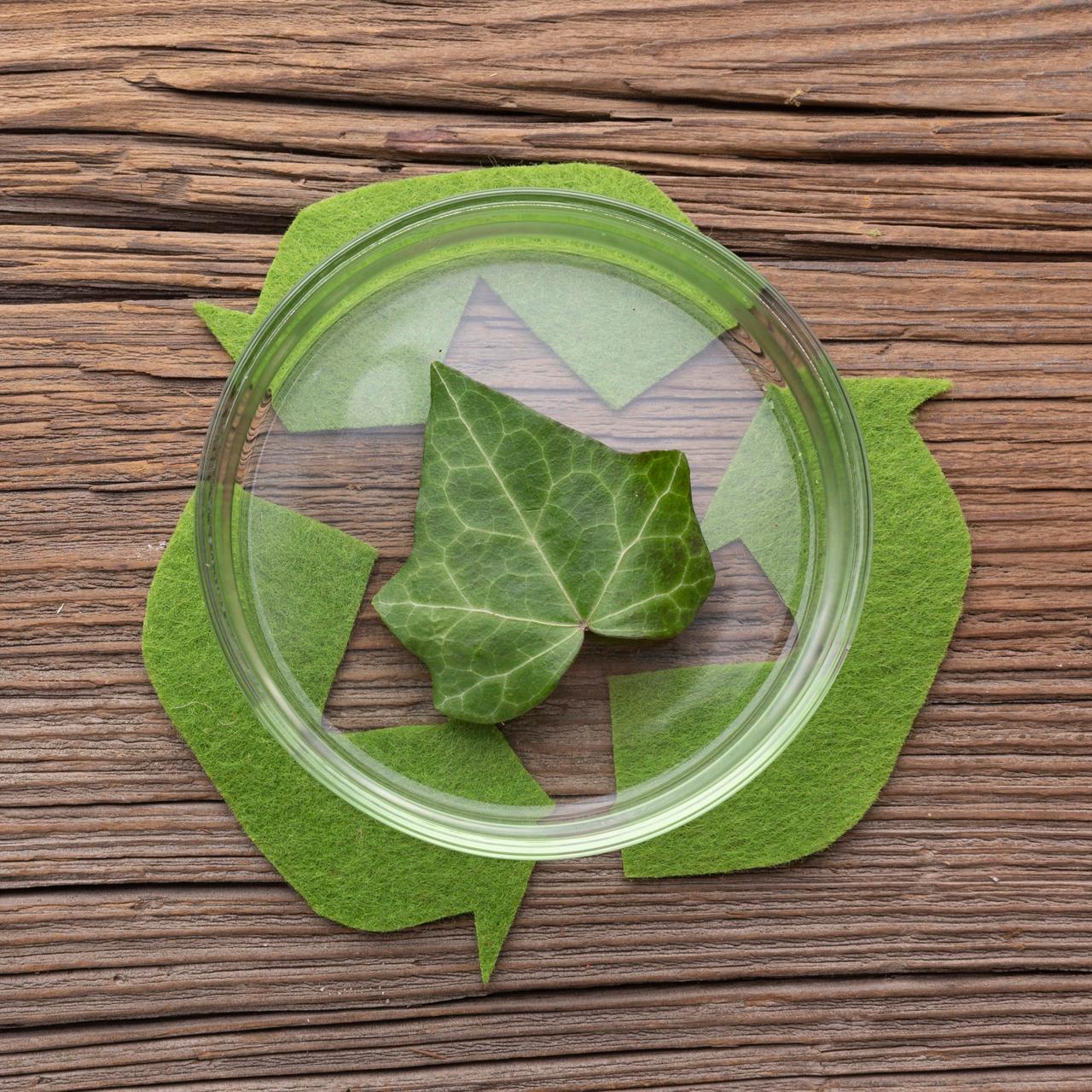
Biodegradable Bioplastics
First Bioplastic | 1862 | ||||||||
|---|---|---|---|---|---|---|---|---|---|
Some Types | PLA, PHB, TPS, PBS | ||||||||
Application Area(s) | Packaging industry agriculture... textile sector medical products | ||||||||
Advantages Compared to Plastics | Their biodegradability, impact on carbon footprints... | ||||||||
Disadvantages Compared to Plastics | Cost | ||||||||
Bioplastics are a term used to describe plastic materials derived from renewable plant-based biomass (such as corn starch, sugarcane, or cellulose) or that are biodegradable. A plastic material is considered a bioplastic if it is bio-based, biodegradable, or both. While traditional petroleum-based plastics are durable and lightweight, they create serious environmental problems. Approximately 300 million tons of plastic are produced annually, and these plastics can persist in nature for hundreds of years without degrading. This accumulation leads to pollution in oceans and on land, harm to wildlife (over 1,500 species are known to have ingested plastic), and the formation of microplastics. Additionally, plastic production increases fossil fuel consumption and greenhouse gas emissions. In 2019, plastic production accounted for 3.4% of global greenhouse gas emissions. As a result, limited petroleum reserves and growing environmental awareness have driven industry toward bioplastics.
The concept of bioplastics actually dates back to the mid-19th century. In 1862, British chemist Alexander Parkes developed the first synthetic plastic-like material from plant cellulose, which he named Parkesine. In 1897, Galalith, a biodegradable plastic produced in Germany, was one of the first true bioplastics based on milk protein (casein). In 1926, French scientist Maurice Lemoigne produced polyhydroxybutyrate (PHB) from bacteria, introducing the first microorganism-derived bioplastics. In the 1930s, Henry Ford used soybean-based bioplastics to manufacture automobile parts. However, the petrochemical revolution and abundant oil supplies suppressed such initiatives.
In the 1970s, interest in bioplastics revived following the oil crisis. In 1983, Imperial Chemical Industries (ICI) and its partners in the United Kingdom established the first bioplastic company, producing a PHB-based bioplastic called Biopol from bacteria. In 2001, NatureWorks (a joint venture between Cargill and Dow) opened the first large-scale PLA (polylactic acid) production facility in the United States, making starch-based PLA commercially viable, while PHB production continued through companies such as Metabolix and Tepha. During the 2000s, numerous companies in the United States, Europe, and Asia developed new bioplastics such as PBS and PBS-DLA. Today, efforts continue to develop a bioplastic alternative for every conventional plastic type.
There are several key differences between bioplastics and conventional (petroleum-based) plastics. First, in terms of raw material source: bioplastics are derived from renewable agricultural products such as corn, sugarcane, potato starch, cellulose, and vegetable oils, whereas conventional plastics are produced from fossil fuels such as oil or natural gas. This reduces dependence on fossil resources and lowers the carbon footprint associated with production. Second, in terms of biodegradability, most bioplastics are capable of breaking down through biological processes. For example, under industrial composting conditions, 90% of biodegradable bioplastics are expected to decompose within 12 weeks. In contrast, conventional plastics typically remain in the environment for 100 to 1,000 years and eventually fragment into microplastics. Third, in terms of carbon footprint, life cycle analyses show that bio-based plastics have significantly lower greenhouse gas impacts compared to their conventional counterparts. Fourth, in terms of cost and prevalence, bioplastics are currently more expensive than conventional plastics. Bioplastics such as PLA are produced at a cost 20–50% higher than similar petrochemical plastics. Consequently, bioplastics still represent only a very small share of total plastic production.
The methods used to produce bioplastics vary depending on the feedstock and polymer type:
Aliotta, Laura, Grazia V. Avolio, Angela Di Maio, and Michelina Soccio. “A Brief Review of Poly(butylene succinate) (PBS) and Its Main Copolymers.” *Materials* 15, no. 3 (2022). Accessed May 2, 2025. .
Baydemir, Tuncay. “Plastikten Dost Olur mu? Biyoplastikler ve Yeni Eğilimler.” *Bilim ve Teknik*, no. 481 (2019). Accessed May 2, 2025. .
European Bioplastics. *Bioplastics Market Development 2020–2025*. Berlin: European Bioplastics, 2020. Accessed May 2, 2025. https://www.european-bioplastics.org.
Fogašová, Mária, Michal Králik, and Katarína Kačíková. “PLA/PHB-Based Materials Fully Biodegradable under Both Industrial and Home-Composting Conditions.” *Polymers* 14, no. 6 (2022). Accessed May 2, 2025. .
Hamdy, Shereen M., Maha I. Hamdy, Sherif A. Abdelhameed, and Reem A. Omar. “Production and Optimization of Bioplastic (Polyhydroxybutyrate) from Bacillus cereus.” BMC Microbiology 22, no. 183 (2022). Accessed May 2, 2025. .
Kocaoğlu, İpek. “Plastiklerin Evrimi: Biyoplastikler.” İzmir Kalkınma Ajansı. 2021. Accessed May 2, 2025. https://www.izka.org.tr.
Parker, Laura. “The World’s Plastic Pollution Crisis, Explained.” *National Geographic*, September 23, 2024. Accessed May 2, 2025. https://www.nationalgeographic.com/environment/article/plastic-pollution.
Santulli, Carlo, ed. “Physical Properties of Thermoplastic Starch: A Review.” *Materials* 14, no. 21 (2021). Accessed May 2, 2025. .
U.S. Environmental Protection Agency. “Impacts of Plastic Pollution.” Environmental Protection Agency, 2019. Accessed May 2, 2025. https://www.epa.gov/trash-free-waters/impacts-plastic-pollution.

Biodegradable Bioplastics
First Bioplastic | 1862 | ||||||||
|---|---|---|---|---|---|---|---|---|---|
Some Types | PLA, PHB, TPS, PBS | ||||||||
Application Area(s) | Packaging industry agriculture... textile sector medical products | ||||||||
Advantages Compared to Plastics | Their biodegradability, impact on carbon footprints... | ||||||||
Disadvantages Compared to Plastics | Cost | ||||||||
History
Differences from Conventional Plastics
Production Methods
Types and Properties of Bioplastics