This article was automatically translated from the original Turkish version.
+1 More
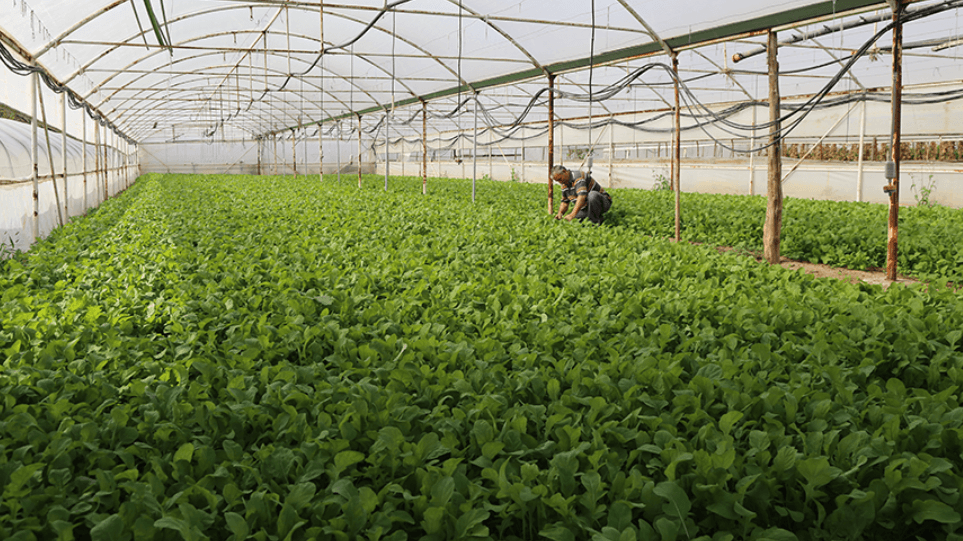
Rooka (Eruca sativa) is an annual leafy vegetable plant native to the Mediterranean region and belongs to the Brassicaceae (mustard) family. Its leaves have a mild peppery and aromatic flavor and are commonly used fresh in salads, pizzas, and mezes. The plant grows to a height of 20–100 cm, has deeply lobed leaves, and produces small white to cream-colored flowers marked with purple veins. Both the young leaves and flowers of rooka are edible, which is why it has been consumed for centuries in Mediterranean cuisine.

Rooka (Eruca sativa)
(Generated by Artificial Intelligence)
Over time, through agricultural and horticultural practices, rooka has been cultivated beyond the Mediterranean and has become widespread in temperate regions. Today, while rooka is grown as a salad and culinary herb throughout Europe and many parts of the world, its most productive and natural distribution remains confined to the Mediterranean region.
Rooka has naturally grown in countries around the Mediterranean and has been cultivated by humans for centuries. Its origin extends from the Western Mediterranean (Morocco, Spain, Portugal) eastward to include Eastern Mediterranean regions such as Türkiye, Syria, and Lebanon, where it has been found both in the wild and collected and cultivated by local communities.
Rooka is a plant that can reach a height of 20–100 cm in the wild and has an upright, slender stem. Its leaves are typically pinnatifid, meaning they are divided into small lateral lobes with a broader terminal section. These deeply lobed leaves make rooka visually distinctive. During flowering, rooka produces cream-white flowers with purple venation, exhibiting the typical structure of a Brassicaceae flower.
Throughout history, rooka has held an important place in both nutrition and traditional medicine. Its leaves, with their sweet-peppery and aromatic flavor, have been consumed raw in salads and have been added to tables in Italy for centuries as a vegetable and garnish. Young rooka leaves are used as a flavor enhancer in pizzas, pastas, and cold mezes, and in some regions they have become a primary ingredient in pesto and green sauces; this traditional use is characteristic of Mediterranean cuisine. Additionally, the raw leaves are served directly as salad or sometimes cooked and incorporated into dishes, often accompanied by cold meats or fish.
The gastronomic tradition of using rooka has persisted for centuries, particularly in Europe, especially in Italy, France, and Mediterranean countries. Beyond its aromatic and flavor-enhancing role, historical folk medicine traditions have recorded that rooka leaves were believed to support digestion, stimulate appetite, and possess diuretic properties.
Anadolu Ajansı. “İstanbul’da Sofraları Eskişehir Yeşillendiriyor.” Accessed March 16, 2026. https://www.aa.com.tr/tr/turkiye/istanbulda-sofralari-eskisehir-yesillendiriyor/1296599
Antalya Tarım Orman İl Müdürlüğü. *Roka Yetiştiriciliği.* Accessed March 16, 2026. https://antalya.tarimorman.gov.tr/Belgeler/Roka%20Yeti%C5%9Ftiricili%C4%9Fi%20Ders%20Notlar%C4%B1.pdf
Chemical constituents from the leaves of Eruca sativa (Rocket Salad) exhibiting dual cardioprotective and antiplatelet activities. *ACS Omega.* Accessed March 16, 2026. https://pubs.acs.org/doi/10.1021/acsomega.5c05585
National Library of Medicine. *Roka Bilimi: Eruca ve Diplotaxis Türlerinde Fitokimyasal ve Sağlıkla İlgili Araştırmaların Gözden Geçirilmesi.* Accessed March 16, 2026. https://pmc.ncbi.nlm.nih.gov/articles/PMC6690419/?utm_source=

No Discussion Added Yet
Start discussion for "Rooka (Eruca sativa)" article
Definition and Taxonomic Position
Morphological Characteristics
Ethnobotanical Features and Local Uses