


 Recently Added:
This article was automatically translated from the original Turkish version.
Sabotage Attack on Berlin’s Electrical Infrastructure (2026), 3 January 2026, was a large-scale power outage caused by a fire on a cable bridge over the Teltow Canal in the Lichterfelde district of southwestern Berlin, Germany’s capital. The incident left approximately 45,000 to 50,000 households and more than 2,000 businesses in Berlin’s Nikolassee, Zehlendorf, Wannsee and Lichterfelde neighborhoods without electricity.
German authorities declared that the fire was the result of arson and characterized the incident as a “politically motivated attack”. The attack was claimed by the far-left Vulkangruppe (Volcano Group). The energy operator Stromnetz Berlin announced that repair work would continue until 8 January.
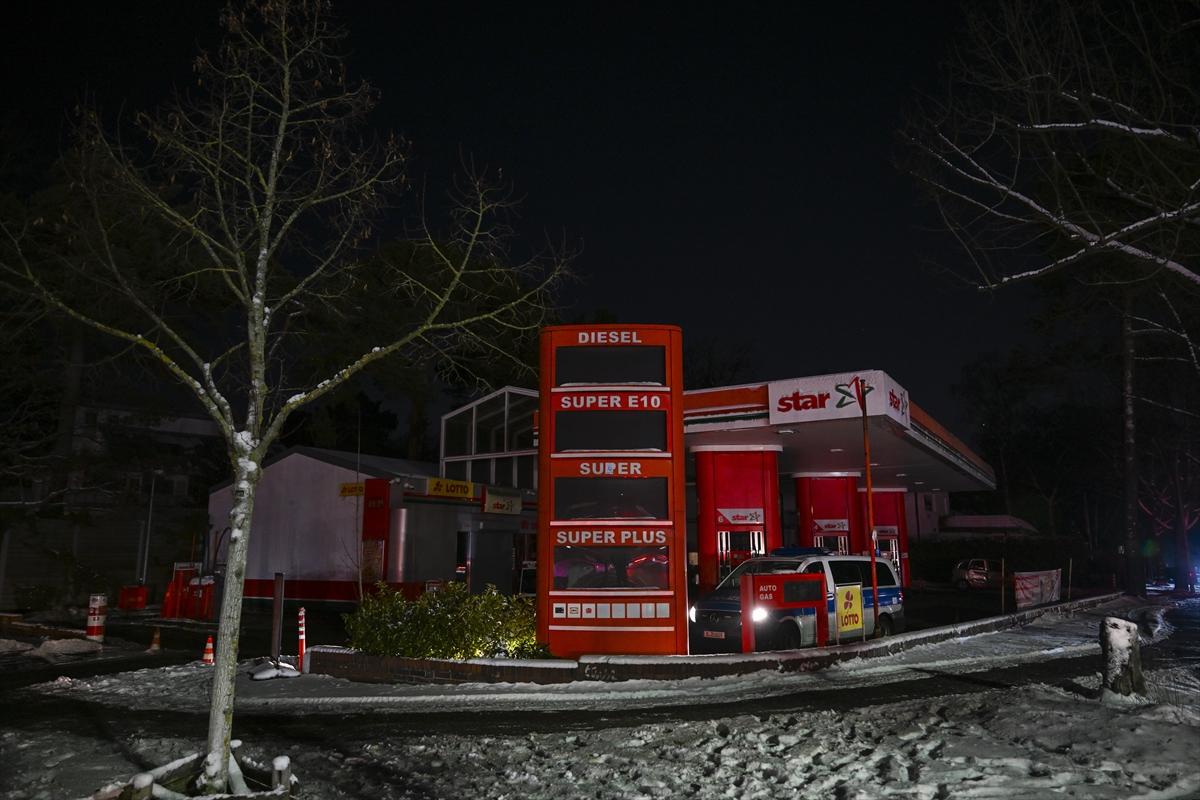
Power outage in Berlin, 5 January 2025 – (Anadolu Ajansı)
The fire occurred on the morning of 3 January 2026 on a cable bridge over the Teltow Canal. This bridge carries high-voltage lines connected to the Lichterfelde power station in southwestern Berlin. Following the fire, approximately 45,000 to 50,000 households and around 2,000 businesses lost power. Initial assessments indicated that the fire originated from arson-induced damage to the cables.
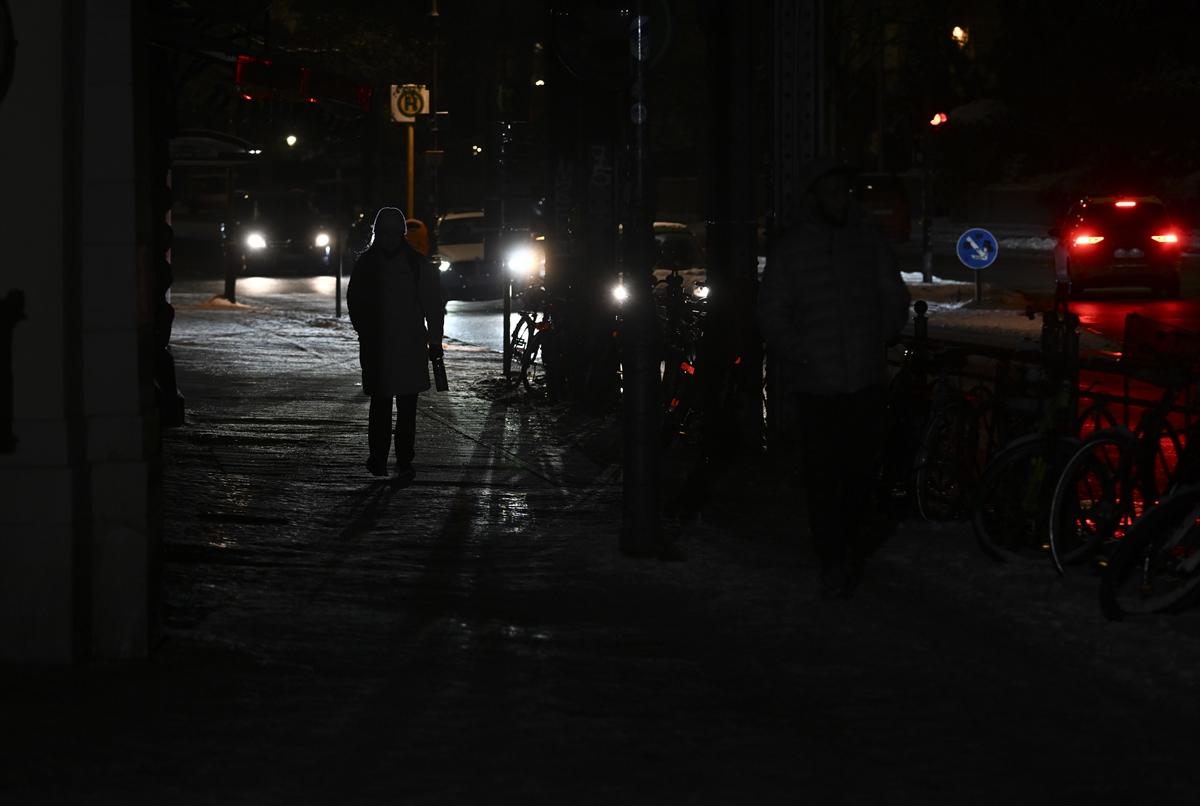
Power outage in Berlin, 5 January 2025 – (Anadolu Ajansı)
The electricity distribution operator Stromnetz Berlin launched comprehensive repair and reconnection efforts in affected areas. According to the company, power was restored to 14,000 to 15,000 households and approximately 300 businesses by 5 January; however, between 27,000 and 30,000 households continued to experience outages.
Cold weather conditions, snowfall and freezing temperatures were reported to have slowed the repair process. The reinstallation of high-voltage lines was described as a complex technical operation requiring specialized expertise. Stromnetz Berlin announced that full restoration of electricity across all affected areas was expected to be completed by Thursday, 8 January.
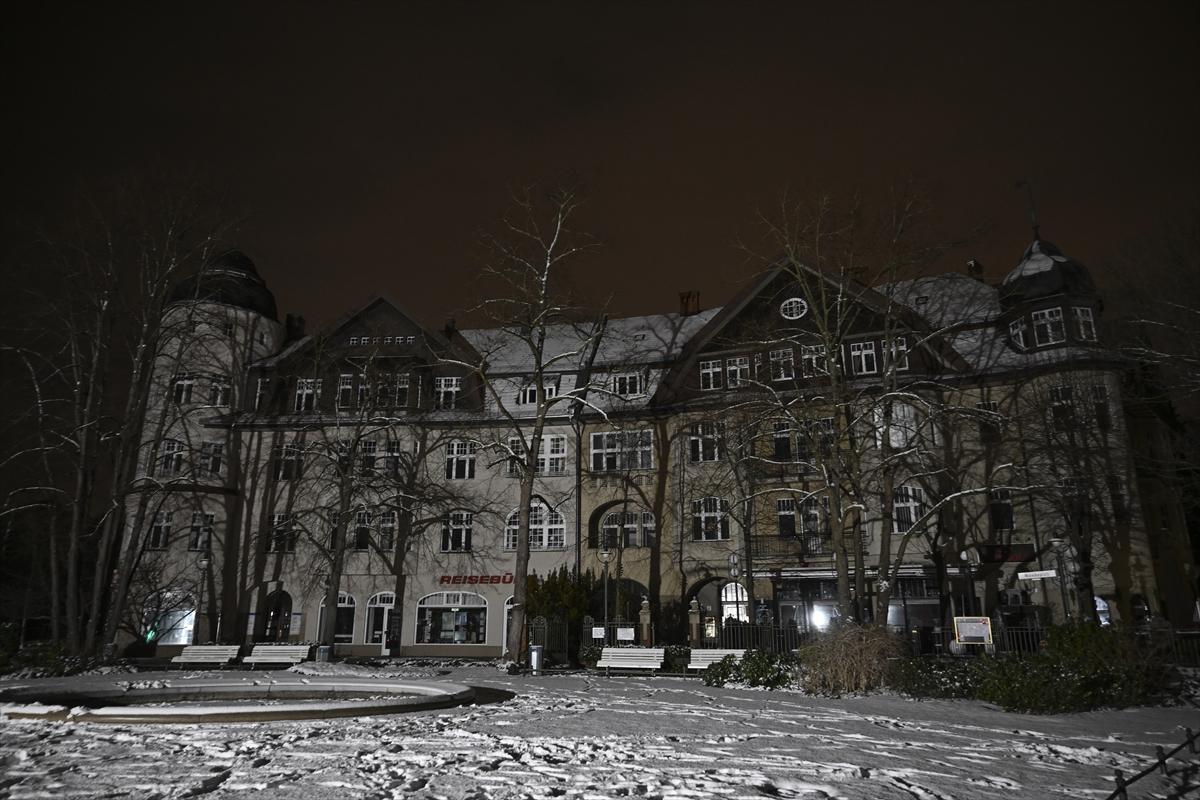
Power outage in Berlin, 5 January 2025 – (Anadolu Ajansı)
The power outage affected more than 100,000 people living in Berlin’s Nikolassee, Zehlendorf, Wannsee and Lichterfelde districts. The disruption impacted not only residential buildings but also public institutions such as hospitals, nursing homes, social facilities and schools.
The failure of electric heating systems, combined with sub-zero temperatures, led to heating problems in homes. 19 schools and numerous kindergartens were temporarily closed starting 5 January due to the outage. Some hospitals activated backup generators to maintain services. Mobile network disruptions occurred, and telephone and internet access were interrupted in certain areas.
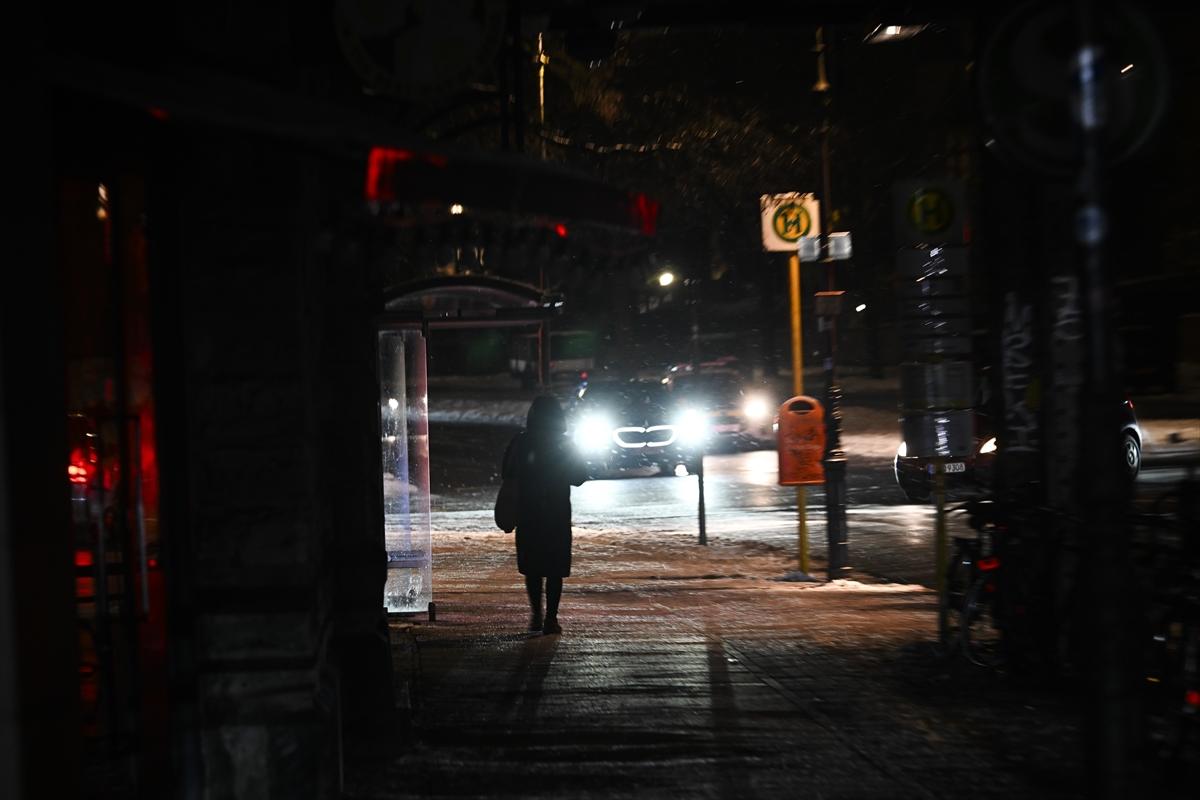
Power outage in Berlin, 5 January 2025 – (Anadolu Ajansı)
Following the incident, the Berlin State Government declared a “Large-Scale Emergency (Grossschadenlage)”. This decision enabled the deployment of the German Armed Forces (Bundeswehr), Federal Police and aid organizations.
In the Steglitz-Zehlendorf district, sports halls were converted into emergency shelters, and hot water and charging stations were established for residents. The Berlin Fire Department and the Civil Protection and Technical Relief Agency (THW) deployed personnel on-site. Police vehicles broadcast informational announcements via loudspeakers, urging the public to use mobile phones sparingly and remain close to home where possible.
Some supermarkets provided hot water and mobile phone charging services to residents. Traffic lights malfunctioning caused transportation disruptions. Some businesses temporarily closed, while supermarkets with generators continued limited operations.
Berlin police and security agencies confirmed that the incident resulted from arson and that the investigation was being conducted by state security units. Authorities stated that the attack was a “politically motivated act”.
Shortly after the incident, a confession letter was sent to police units and was reported to contain “original perpetrator information.” After review, the letter was accepted as authentic. It stated that the attack had been carried out by the Vulkangruppe (Volcano Group).
According to the group’s statement, the action was described as a “public service act”; the target was not the power grid itself but the fossil fuel industry. The same letter claimed the action was undertaken in the name of “international solidarity with those protecting nature and life,” and added that “no regret was felt for the darkness that fell over villas in wealthy neighborhoods, but apologies were extended to residents of less affluent districts.”
Berlin Police announced that the letter’s content was deemed credible and plausible and that the investigation was proceeding along these lines. Additionally, technical examinations at the scene confirmed that the fire had been deliberately set.
Vulkangruppe (Volcano Group) is described as an “extreme left-wing and anarchist-oriented organization” active in Germany since 2011. Germany’s domestic intelligence agency, the Federal Office for the Protection of the Constitution (BfV), classifies it as a “violent organization targeting critical infrastructure”.
Since its founding, the group has operated primarily in the states of Berlin and Brandenburg, gaining public attention through sabotage attacks on energy, transportation and telecommunications infrastructure. It has been linked to arson attacks on Tesla’s electrical infrastructure in 2021 and 2024.
In its own statements, Vulkangruppe defines energy infrastructure as the “foundation of the capitalist system and fossil economy” and characterizes its actions as “ecological and anti-capitalist resistance.” German security reports indicate that the group’s activities are evaluated under a campaign called “Switch Off,” which advocates the disruption of energy-intensive industrial facilities and infrastructure systems through sabotage.
No official or verified information exists regarding the group’s membership size or internal structure. Security agencies have noted that linguistic and content similarities among letters published in different years suggest they may have been written by the same circle of authors. It has also been recorded that the group uses codenames and symbols inspired by Icelandic volcanoes in its operations.
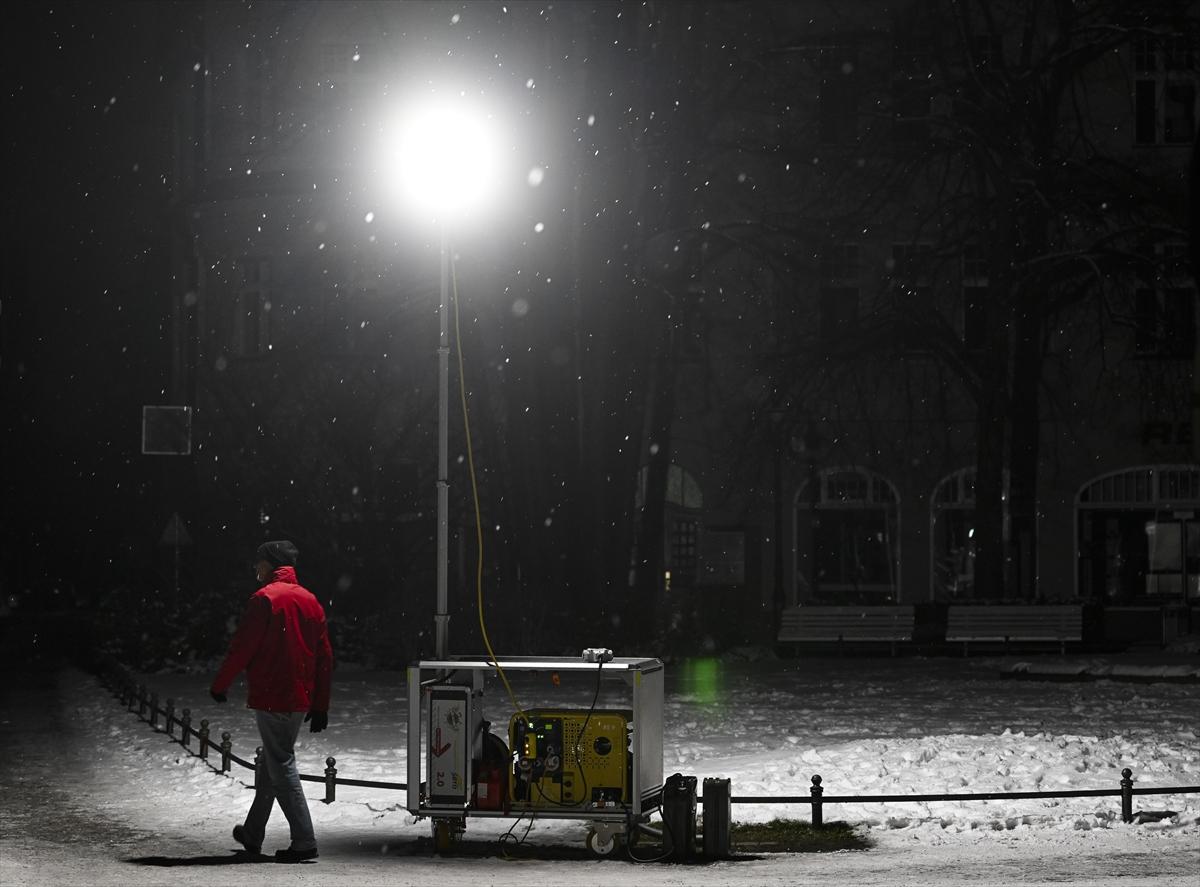
Power outage in Berlin, 5 January 2025 – (Anadolu Ajansı)
Following the attack in Berlin, security statements were issued at both local and federal levels. Berlin Mayor Kai Wegner, during a press conference, stated, “Once again, it is unacceptable that far-left extremists are attacking our power grid and endangering human lives.” Wegner added in the same speech that “we must engage with the federal government on how better to protect critical infrastructure in the capital region.”
Germany’s Interior Minister Alexander Dobrindt told the newspaper Bild, “Left-wing terrorism has returned to Germany with increasing intensity.” The BDEW (German Association of Energy and Water Industries), representing the energy sector, stated in its response to the attack, “Transparency, freedom of information and open data regulations must be restricted or adapted in situations where they compromise the physical or cyber security of critical infrastructure.”
SPD (Social Democratic Party) officials, citing security risks, argued that information requests from far-right AfD (Alternative for Germany) members regarding energy infrastructure posed a threat, stating, “The AfD’s parliamentary questions represent an additional threat.”
CDU (Christian Democratic Union) security policy expert Marc Henrichmann stated in his remarks on the issue, “Current transparency obligations are no longer adequate in the face of new security threats.”
In response to the incident, the federal government introduced a legislative proposal known as the “KRITIS Umbrella Law (KRITIS-DG)” to strengthen protections for energy infrastructure. The regulation aims to enhance the resilience of infrastructure operators against risks such as sabotage, cyberattacks and natural disasters.
The 3 January 2026 attack in Berlin is recorded as the second major-scale sabotage incident targeting energy infrastructure in Germany in recent years. Previously, in September 2025, an attack on an electricity pylon in Berlin’s Treptow-Köpenick district caused a 60-hour power outage affecting approximately 50,000 households and businesses.
Following that incident, security agencies stated that similar acts were organized by left-wing radical groups with the explicit aim of directly damaging energy infrastructure. Vulkangruppe (Volcano Group) had also claimed responsibility for arson attacks on Tesla’s Gigafactory near Berlin in 2021 and 2024.
The German Federal Government and security agencies have identified the risk of sabotage and cyberattacks on energy infrastructure as a top-tier security threat, particularly in light of heightened geopolitical tensions following the war in Ukraine. The Federal Office for Information Security (BSI) has warned that energy supply systems may be targeted by foreign state actors and organized groups.
Anadolu Ajansı. “Berlin’de 50 Bin Haneyi Elektriksiz Bırakan Sabotajın Sorumluluğunu Aşırı Solcu Örgüt Üstlendi.” Accessed January 6, 2026. https://www.aa.com.tr/tr/dunya/berlinde-50-bin-haneyi-elektriksiz-birakan-sabotajin-sorumlulugunu-asiri-solcu-orgut-ustlendi/3789444
Anadolu Ajansı. “Berlin’de On Binlerce Haneye Elektrik Verilemiyor.” Accessed January 6, 2026. https://www.aa.com.tr/tr/dunya/berlinde-on-binlerce-haneye-elektrik-verilemiyor/3790456
Anadolu Ajansı. “Berlin’deki Sabotajın Arkasındaki ‘Volkan’ Grubu 2011’den Bu Yana Kritik Altyapıyı Hedef Alıyor.” Accessed January 6, 2026. https://www.aa.com.tr/tr/dunya/berlindeki-sabotajin-arkasindaki-volkan-grubu-2011den-bu-yana-kritik-altyapiyi-hedef-aliyor/3790125
Anadolu Ajansı. “Far-Left Group Claims Responsibility for Sabotage That Cut Power to 50,000 Households in Berlin.” Accessed January 6, 2026. https://www.aa.com.tr/en/europe/far-left-group-claims-responsibility-for-sabotage-that-cut-power-to-50-000-households-in-berlin/3789588
Associated Press. “Berlin power outage affecting 45,000 homes blamed on ‘politically motivated’ attack.” Accessed January 6, 2026. https://apnews.com/article/germany-berlin-electricity-outage-arson-287cf48d8234a0f990d12d77e392e6c7
BBC News. “Activist group says it was behind Berlin fire that cut power to thousands.” BBC News. Accessed January 6, 2026. https://www.bbc.com/news/articles/c78v984ywgeo
Berlin.de. “Power outage: emergency shelters, warm places and services.” Accessed January 6, 2026. https://www.berlin.de/en/news/10113643-5559700-power-outage-in-the-southwest-50000-hous.en.html
Clean Energy Wire. “Berlin Arson Attack Power Blackout Triggers Calls to Put Security over Transparency.” Clean Energy Wire. Accessed January 6, 2026. https://www.cleanenergywire.org/news/berlin-arson-attack-power-blackout-triggers-calls-put-security-over-transparency
Euronews. “45,000 Homes in Berlin Without Power After Politically Motivated Attack by Left-Wing Extremists.” Euronews. Accessed January 6, 2026. https://www.euronews.com/2026/01/04/45000-homes-in-berlin-without-power-after-politically-motivated-attack-by-left-wing-extrem
Guardian. “Leftwing Militants Claim Responsibility for Arson Attack on Berlin Power Grid.” The Guardian. Accessed January 6, 2026. https://www.theguardian.com/world/2026/jan/04/leftwing-militants-responsibility-arson-attack-berlin-power-grid
Reuters. “Berlin Mayor Warns on Infrastructure After Power Station Attack.” Reuters. Accessed January 6, 2026. https://www.reuters.com/world/berlin-mayor-warns-infrastructure-after-power-station-attack-2026-01-05/

On the morning of January 3, 2026, a fire broke out on a cable bridge over the Teltow Canal in the Lichterfelde district in the southwest of Berlin. As a result of the fire, approximately 50,000 households and more than 2,000 businesses were left without electricity. The incident has been determined to be arson and has been characterized as “politically motivated.” The extremist left-wing group Vulkangruppe (Volcano Group), which has carried out attacks against critical infrastructure since 2011, has claimed responsibility.
No Discussion Added Yet
Start discussion for "Sabotage Attack on Berlin's Electrical Infrastructure (2026)" article
January 6, 2026
Course of Events and Damage to Electrical Infrastructure
January 6, 2026
Impacts of the Outage
January 6, 2026
Investigation and Claim of Responsibility
January 6, 2026
Vulkangruppe (Volcano Group)
January 6, 2026
Political and Institutional Responses
January 6, 2026
Previous Similar Incidents