


This article was automatically translated from the original Turkish version.
+1 More
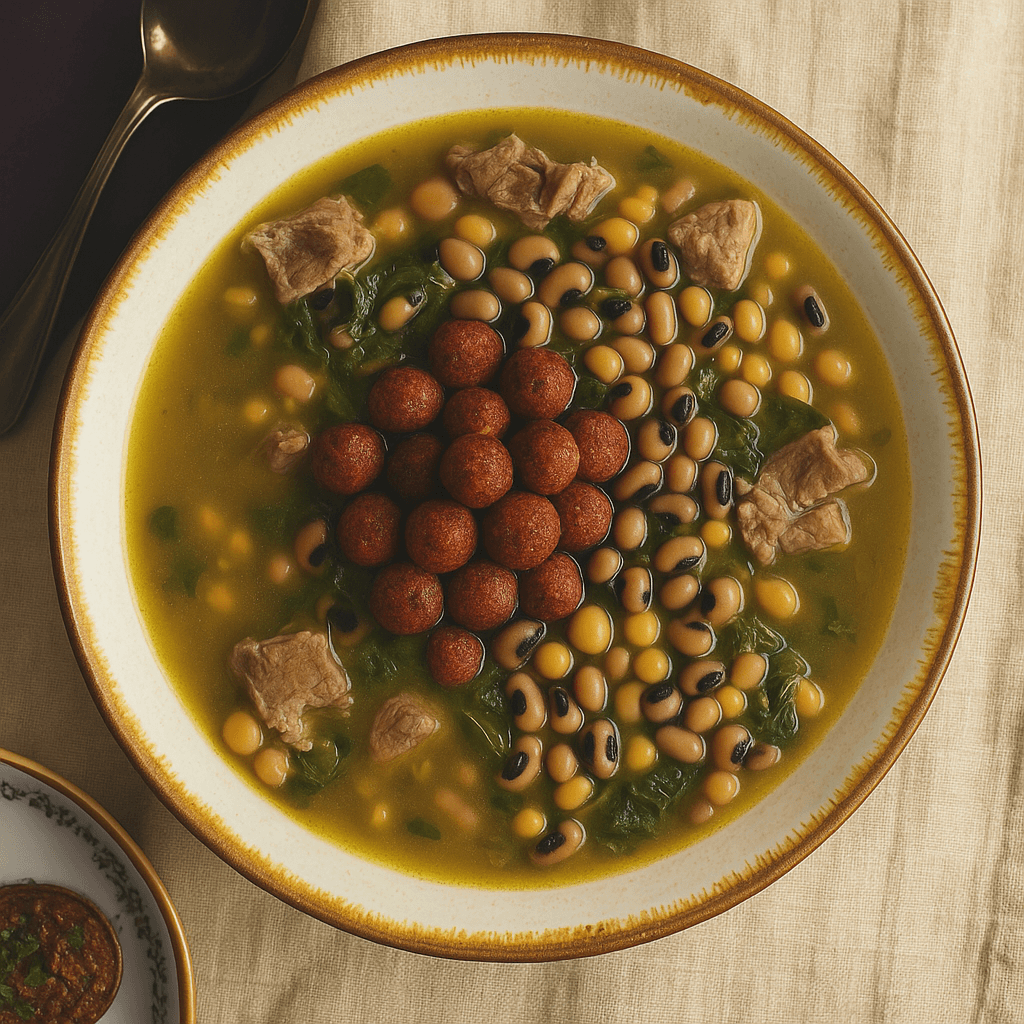
Şanlıurfa Boranisi
Meal Type | Traditional soup dish / Main course | ||||||||
|---|---|---|---|---|---|---|---|---|---|
Geographical Origin | Şanlıurfa Province, Southeastern Anatolia Region, Türkiye | ||||||||
Ingredients | salt) red pepper flakes and regional spices (black pepper Tomato paste Chickpeas Red meat (cubed or minced) Bulgur (finely ground wheat) Chard (locally called "pencar") | ||||||||
Urfa pencer (pazı) borani is a regional dish specific to Şanlıurfa province in Türkiye’s Southeastern Anatolia Region. This dish combines ingredients such as meat, legumes, green vegetables, and bulgur meatballs, and is particularly favored during winter months and special occasions. Borani is typically prepared for large gatherings and cooked using traditional methods passed down through generations.

Şanlıurfa Borani (Anadolu Agency)
Urfa pencer borani was officially registered as a geographical indication by the Turkish Patent and Trademark Office on 29 December 2017 under registration number 316. The registration was carried out under Law No. 6769 on Industrial Property and became effective as of 16 August 2017.
According to a local legend, this dish was served at the wedding feast of the Umayyad Caliph Al-Ma’mun and his wife Boran Hatun. The dish gained popularity and came to be named after Boran Hatun. This narrative suggests that borani has a historical lineage and evolved over time into a traditional dish served at feasts in Şanlıurfa. Local institutions in the city are undertaking efforts to preserve, promote, and transmit borani and other traditional dishes to future generations.
Borani is prepared with diced lamb meat, pencer (pazı stalks), chickpeas, and börülce (lolaz). The lamb is sautéed in pure oil, then combined with finely chopped pencer stalks and boiled legumes. After adding meat broth and a small amount of salt, the mixture is cooked in a pressure cooker. Fried bulgur meatballs are then added to the mixture. The meatballs are made by kneading fine bulgur, minced lamb meat, soaked bread, isot, salt, and cinnamon into a dough, shaping them into chickpea-sized balls, and frying them in hot oil. For serving, the legume and pencer mixture is placed on a plate, topped with the fried meatballs, and optionally accompanied by garlic yogurt.
For the main dish:
For the meatballs:

Ingredients (Anadolu Agency)
Borani is a preferred dish in Şanlıurfa, especially during winter and when hosting guests. Due to its lengthy and labor-intensive preparation, it is commonly made collectively through community cooperation. In this sense, borani is regarded not only as a meal but also as a culinary practice that strengthens social solidarity. Under initiatives led by the Şanlıurfa Metropolitan Municipality, regional dishes such as borani are presented to the public in places like the “Hamarat Eller Çarşısı,” aiming to preserve and promote culinary heritage at risk of being forgotten.
The borani dish is known by various names depending on its ingredients. For example, spinach or pumpkin borani is found in Hatay cuisine, while lentil and kemeli (potato) borani are seen in different areas of Şanlıurfa. Similar variations of borani, prepared according to seasonal vegetables, also exist in Antep cuisine and share similarities with Urfa borani.
Anadolu Ajansı. 2017. “Şanlıurfa Boranisi Tescillendi.” AA.com.tr, November 24, 2017. Accessed May 19, 2025. https://www.aa.com.tr/tr/turkiye/sanliurfa-boranisi-tescillendi/1023927
Türkiye Turizm Ansiklopedisi. "Urfa (Şanlıurfa) Pencer (Pazı) Boranisi." Türkiye Turizm Ansiklopedisi. Accessed May 19, 2025. https://turkiyeturizmansiklopedisi.com/urfa-sanliurfa-pencer-pazi-boranisi
Şanlıurfa Ticaret of Commerce and Industry. 2017. *Urfa (Şanlıurfa) Pencer (Pazı) Boranısı*. Geographical Indication No: 316. Şanlıurfa: Şanlıurfa Chamber of Commerce and Industry. Accessed May 19, 2025. https://ci.turkpatent.gov.tr/Files/GeographicalSigns/316.pdf
“Et ile Bulgurun Birleştiği Lezzet: Borani.” AA.com.tr, September 16, 2018. Accessed May 19, 2025. https://www.aa.com.tr/tr/kultur-sanat/et-ile-bulgurun-birlestigi-lezzet-borani/1255903
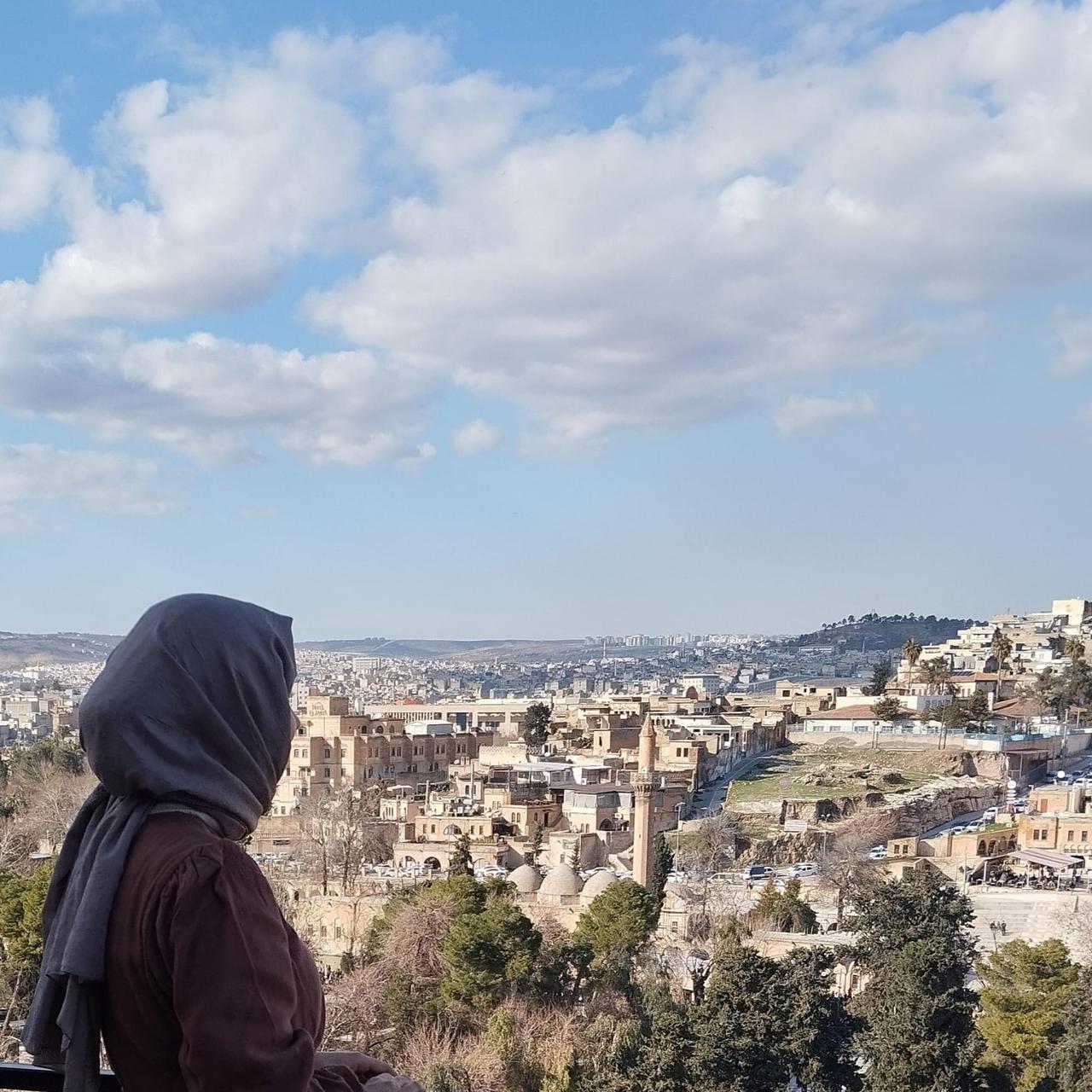
Şanlıurfa Boranisi
Meal Type | Traditional soup dish / Main course | ||||||||
|---|---|---|---|---|---|---|---|---|---|
Geographical Origin | Şanlıurfa Province, Southeastern Anatolia Region, Türkiye | ||||||||
Ingredients | salt) red pepper flakes and regional spices (black pepper Tomato paste Chickpeas Red meat (cubed or minced) Bulgur (finely ground wheat) Chard (locally called "pencar") | ||||||||
Geographical Indication Registration
History and Cultural Background
Preparation and Ingredients
Ingredients (Serves Five)
Social and Cultural Significance
Varieties and Regional Interpretations