

This article was automatically translated from the original Turkish version.
+2 More
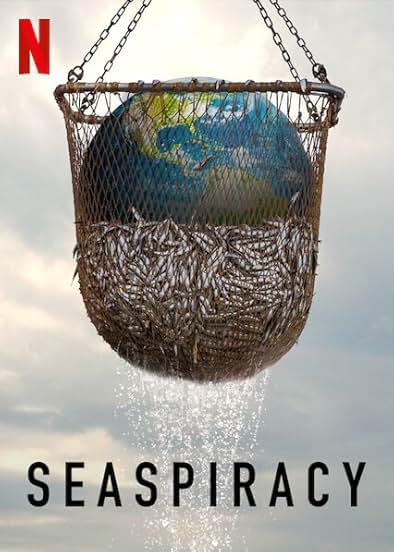
Seaspiracy: The Conspiracy in the Oceans (Documentary)
Director(s) | Ali Tabrizi | ||||||||
|---|---|---|---|---|---|---|---|---|---|
Producer(s) | Lucy Tabrizi Ali Tabrizi | ||||||||
Release Year | 2021 | ||||||||
Duration | 89 minutes | ||||||||
Genre | Documentary | ||||||||
IMDb Rating | 8.1/10 | ||||||||
Filming Location | Various sea and ocean regions | ||||||||
Distributor | Netflix | ||||||||
Seaspiracy is a documentary released on the Netflix platform on March 24, 2021. Produced and directed by Ali Tabrizi and Lucy Tabrizi, the film critically examines the impact of the global fishing industry on marine ecosystems, marine life, and human livelihoods. The documentary aims to challenge the validity of the concept of sustainable fishing and expose contradictions between environmental protection policies and industrial practices. Over its 90-minute runtime, it explores the subject in depth through scientific data and field footage.
Trailer of Seaspiracy (YouTube)
Seaspiracy is designed to draw attention to the hidden aspects of the fishing industry. Despite the widely accepted benefits of fish consumption, the documentary brings to light the environmental damage and ethical issues caused by this industry. Although the producers initially intended to focus on plastic pollution, their research led them to examine the broader impacts of fishing. In this context, the documentary argues for the protection of oceans and the reevaluation of human consumption habits.
The documentary provides a detailed analysis of the destructive effects of overfishing on marine ecosystems. It highlights methods such as bottom trawling, used by large-scale fishing vessels, which destroy the seafloor and reduce biodiversity. It also emphasizes that non-target species, known as bycatch—including sea turtles, dolphins, and sharks—are at risk of extinction due to these practices. According to the data presented, approximately 300,000 small whales, dolphins, and seals die annually as bycatch in global fishing operations.
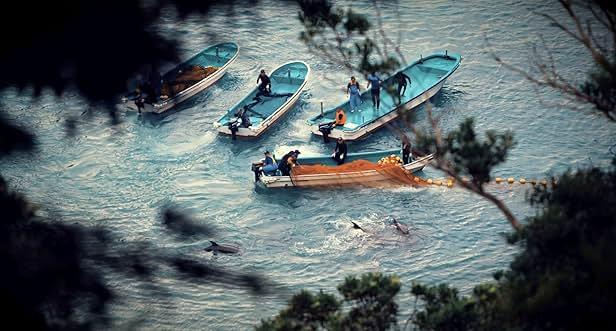
Scene from Seaspiracy (IMDB)
Fish farms also occupy a significant place in the documentary. It is stated that these facilities contribute to water pollution through the discharge of waste and chemicals. In particular, the feed used to cultivate species such as salmon is shown to deplete wild fish populations, making this cycle unsustainable. Additionally, the spread of plastic waste into the oceans and the effects of microplastics on marine life form one of the documentary’s central themes.
Seaspiracy claims that some international marine conservation organizations collaborate with the fishing industry. It specifically questions the credibility of organizations that issue sustainable fishing certifications, arguing that they are closely linked to industrial fishing interests. The documentary criticizes the financial backing and policies of these organizations, raising doubts about the sincerity of their environmental efforts. These claims are among the most controversial sections of the film.
Since its release, Seaspiracy has received varied responses from the fishing industry, environmental groups, and academic circles. Representatives of the fishing industry argue that the claims are exaggerated and intended to tarnish the sector’s reputation, while some environmental activists have praised the film for its potential to raise awareness. Academics have noted that certain data presented in the documentary require scientific verification, but they have underscored the importance of its overall message. These debates have triggered a global dialogue on the management of marine resources and fishing policies.
Seaspiracy is the product of a three-year research and filming process undertaken by the Tabrizi siblings. The documentary includes fieldwork in over 20 countries and is supported by expert interviews and undercover camera footage. Visually striking scenes and infographics are used to present complex issues in an accessible manner. The narration, in English, is performed by Richard Hammond, and the film is available on Netflix with Turkish subtitles.
Following its release, a noticeable trend emerged among viewers to reconsider their consumption of seafood. Some restaurants and supermarkets have decided to review their fish menus. Seaspiracy has reached a wide audience among environmental documentaries and contributed to the ocean conservation movement. However, criticisms continue regarding certain claims in the film, which some argue are supported by insufficient evidence.
Beyazperde. "Seaspiracy." Accessed June 19, 2025.
IMDb. "Seaspiracy." Accessed June 19, 2025.
Netflix. "Seaspiracy." Accessed June 19, 2025.
Rotten Tomatoes. "Seaspiracy." Accessed June 19, 2025.
The Guardian. "Seaspiracy Netflix Documentary Accused of Misrepresentation by Participants." March 31, 2021. https://www.theguardian.com/environment/2021/mar/31/seaspiracy-netflix-documentary-accused-of-misrepresentation-by-participants. Accessed June 19, 2025.

Seaspiracy: The Conspiracy in the Oceans (Documentary)
Director(s) | Ali Tabrizi | ||||||||
|---|---|---|---|---|---|---|---|---|---|
Producer(s) | Lucy Tabrizi Ali Tabrizi | ||||||||
Release Year | 2021 | ||||||||
Duration | 89 minutes | ||||||||
Genre | Documentary | ||||||||
IMDb Rating | 8.1/10 | ||||||||
Filming Location | Various sea and ocean regions | ||||||||
Distributor | Netflix | ||||||||
No Discussion Added Yet
Start discussion for "Seaspiracy: The Conspiracy in the Oceans (Documentary)" article
Overview and Purpose
Environmental Impacts of the Fishing Industry
Relationships with Marine Conservation Organizations
Reactions and Debates
Production Process and Technical Features
Impact and Legacy